


What Is the Correct Posture for Assembling Instrument Sets at a Workstation?
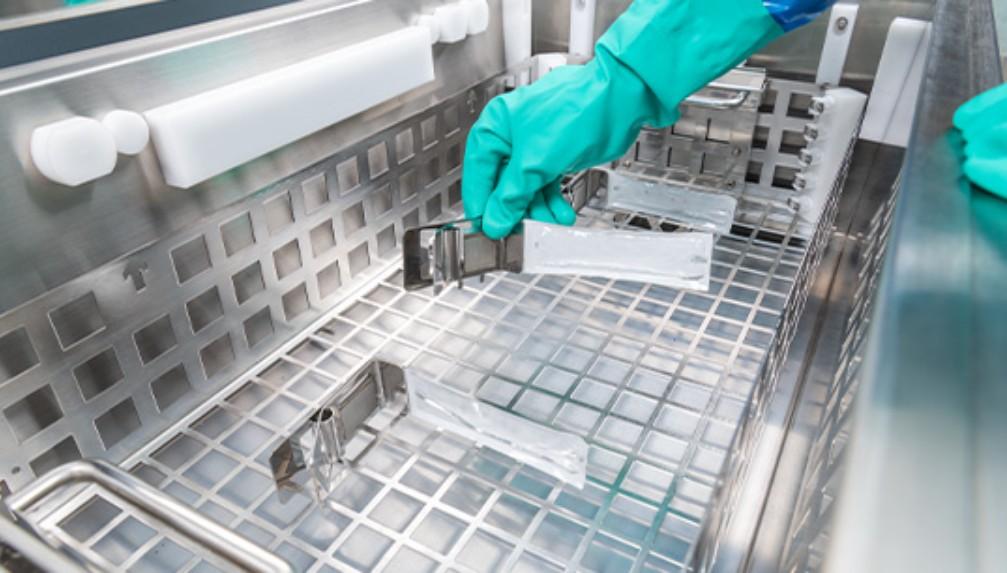
Introduction to SPD Workstation Ergonomics
In the fast-paced environment of the Central Sterile Supply Department (CSSD) or Sterile Processing Department (SPD), technicians spend hours meticulously inspecting, testing, and organizing delicate surgical tools. While the bulk of sterile processing training focuses on infection control, decontamination guidelines, and sterilization modalities, physical health and ergonomics are equally vital to daily operations. Assembling complex, heavy tray sets requires repetitive arm movements, precision hand control, and extended periods of sitting or standing. Without proper physical alignment, technicians face a high risk of chronic strain, repetitive stress injuries, and physical exhaustion. Understanding the correct posture for assembling instrument sets is essential not only for personal health and comfort, but also for maintaining accuracy, speed, and concentration throughout demanding shifts.
Understanding the Ergonomic Risks in Tray Assembly
The assembly area of a sterile processing unit demands intense focus and extreme attention to detail. Technicians routinely handle surgical tools ranging from tiny micro-instruments to heavy orthopedic tray sets weighing up to 25 pounds. Performing repetitive delicate tasks—such as checking scissor blade sharpness, applying color-coding tape, or placing ratchets on the first lock—places repetitive strain on the wrists, hands, shoulders, and lower back. When combined with static posture, poor lighting, or improper workstation height, these daily demands frequently lead to Work-related Musculoskeletal Disorders (WMSDs). Recognizing these physical strains is the critical first step toward adopting proactive ergonomic strategies that protect your neck, spine, and upper extremities throughout a long and rewarding healthcare career.
What Is the Correct Posture for Assembling Instrument Sets?
Achieving proper posture at an assembly workstation requires maintaining a neutral body position—a baseline physical alignment where joints experience the least amount of mechanical strain. Whether you choose to work sitting down or standing up, adhering to core postural principles will drastically reduce daily physical fatigue and prevent long-term joint wear:
-
Neutral Spine Alignment: Keep your head centered directly over your shoulders and your shoulders relaxed rather than hunched. Avoid rounded or slouched upper back positions while peering closely at small instruments.
-
Elbow and Arm Position: Position your forearms parallel to the floor, maintaining an elbow bend between 90 and 100 degrees. Your upper arms should rest comfortably close to the sides of your torso without reaching forward excessively.
-
Wrist Neutrality: Keep your wrists straight and relaxed in a neutral plane. Avoid sharp side-to-side bending (ulnar or radial deviation) or extreme flexion while wrapping trays or manipulating tools.
-
Lower Body Support: If standing, keep your knees slightly flexed rather than locked, distributing your weight evenly across both feet. If seated, ensure your feet rest flat on the floor or a footrest, with knees bent at 90 degrees.
Optimizing the Workstation Environment for Ergonomics
Proper posture cannot be achieved in isolation; it depends heavily on an ergonomically adjustable workstation layout. Modern central service departments are increasingly investing in height-adjustable packing tables to accommodate technicians of varying heights. The height of the assembly surface should be set slightly below elbow level for tray assembly to ensure proper mechanical leverage without straining the shoulders or neck. Additionally, the arrangement of tools and accessories plays a critical role. Frequently used items like tray liners, chemical indicators, peel pouches, and magnifying lights should be positioned within the "primary reach zone"—an arc formed by extending your forearms without bending at the waist. Supplying quality anti-fatigue mats for standing stations also reduces lower limb fatigue and spinal compression.
Integrating Dynamic Movement and Micro-Breaks
Even the most ideal posture can cause physical strain if maintained statically for hours at a time. The human body is designed for dynamic movement, making brief postural shifts essential during long shifts in the assembly room. Technicians should build small ergonomic breaks into their workflow, taking 15 to 30 seconds every half hour to reset their physical posture. Simple stretches—such as gentle shoulder rolls, wrist flexor extensions, and slow neck turns—can quickly restore blood flow to tense muscles and alleviate built-up tension. Alternating between sitting and standing throughout the shift, when height-adjustable stations are available, can also prevent blood pooling in the lower legs and keep overall energy levels high during repetitive tasks.
Establishing Good Ergonomic Habits Through Formal Education
Mastering workplace ergonomics and safe tool-handling techniques is a cornerstone of professional growth in healthcare support roles. Educational programs emphasize that technical accuracy and infection prevention must go hand in hand with occupational safety and physical well-being. When individuals enroll in a comprehensive sterile processing technician course, they gain vital insights not only into decontamination techniques, microbiology, and sterilization protocols, but also into workflow organization, safety standards, and injury prevention strategies. Learning these best practices early in a career establishes lifelong habits that protect technicians from premature burnout and chronic occupational strain while ensuring high standards of patient care.
Conclusion: Prioritizing Technician Health for Quality Care
Correct posture during instrument set assembly is far more than a matter of daily comfort; it is a fundamental aspect of operational efficiency and quality assurance in modern healthcare facilities. When sterile processing technicians work comfortably without physical strain or cognitive fatigue, their ability to spot damaged tools, missing items, and contamination risks dramatically improves. By combining sound biomechanics, adjustable workstation equipment, routine stretching, and thorough educational training, healthcare institutions can foster a healthier workforce while ensuring surgical departments receive flawless, sterile instrument sets every single time.

 English
 Arabic
 French
 Spanish
 Portuguese
 Deutsch
 Turkish
 Italiano
 Russian
 Romaian
 Portuguese (Brazil)
 Greek
Greek