


How to Choose the Right Couch Covers and Cushion Covers for a Stylish and Comfortable Home
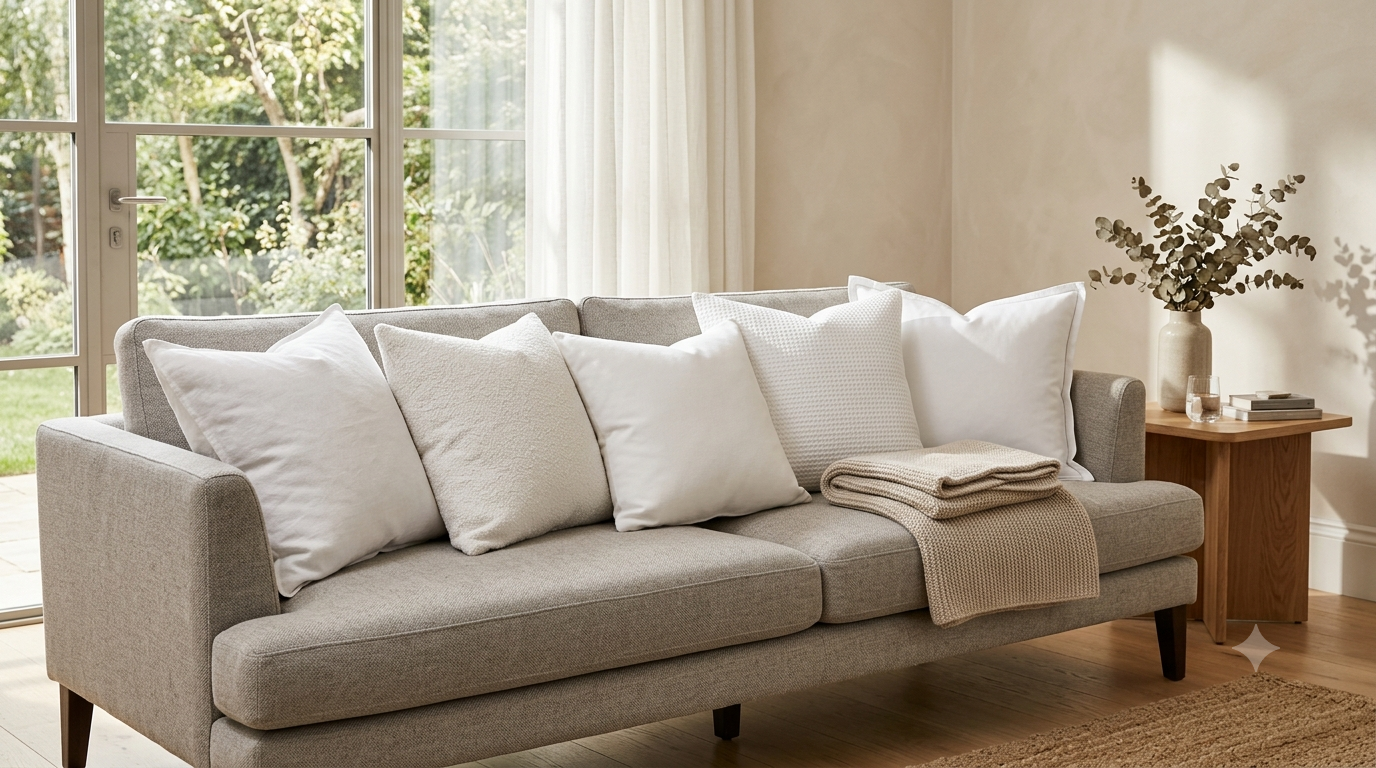
A living room can feel completely different with a few simple textile changes. Couch covers and cushion covers are practical ways to protect furniture while giving the space a refreshed, coordinated appearance. Instead of replacing an entire sofa when the fabric begins to look worn or the décor feels outdated, a well-chosen cover can provide a cost-effective way to update the room.
When selecting couch and cushion covers, it is important to consider more than appearance. Fabric, fit, comfort, durability, color, maintenance, and everyday lifestyle all play a role. Cotton and linen are particularly popular choices because they offer natural textures and versatile styling options that work across many interior design preferences.
Why Couch Covers Are a Practical Home Décor Choice
A sofa is often one of the most frequently used pieces of furniture in a home. Regular sitting, snacks, pets, children, and everyday activity can eventually lead to stains, fading, and general wear. Couch covers provide an additional layer between the original upholstery and daily use.
A well-fitted cover can help with:
- Protecting upholstery from everyday spills and dirt
- Reducing visible signs of general wear
- Refreshing an older sofa without replacing it
- Changing the color or style of a living room
- Making seasonal decorating easier
- Creating a more coordinated look with cushions and other textiles
For many households, a cotton couch slipcover is a practical option because cotton has a soft, familiar feel and works well in casual living spaces. A slipcover can also make it easier to change the overall appearance of a sofa when you want to update your home décor.
Before purchasing, measure the sofa carefully. Consider the overall width, seat depth, back height, arm dimensions, and cushion configuration. A cover that looks attractive but fits poorly may bunch, shift, or fail to provide adequate protection.
Why Choose Cotton for a Couch Slipcover?
Cotton is widely used in home textiles because of its softness, versatility, and comfortable feel. It can be a particularly suitable choice for living rooms where the sofa receives frequent use.
Cotton couch covers can complement a variety of decorating styles, from relaxed and traditional interiors to modern spaces with neutral home décor. The fabric can also work well with decorative cushion covers in different colors and patterns.
When shopping for cotton couch covers, consider:
Fabric Weight
A heavier fabric may feel more substantial and can be appropriate for furniture that receives considerable daily use. A lighter fabric can provide a more relaxed appearance but may not offer the same structure.
Fit
Look for a cover designed for your sofa's shape and dimensions. Loose-fitting styles can create a casual appearance, while fitted sofa slipcovers generally provide a cleaner silhouette.
Color
Neutral shades such as white, beige, gray, and natural tones can work with many decorating schemes. If you prefer a stronger visual statement, consider deeper or more distinctive colors that complement the rest of the room.
Maintenance
Always check the manufacturer's care instructions before purchasing. If the sofa is heavily used, an easy-care fabric may be particularly valuable.
How to Choose the Best Linen Couch Covers
Linen has a distinctive natural texture that can bring an understated, sophisticated character to a living room. Its relaxed appearance works especially well with contemporary, coastal, Scandinavian, rustic, and minimalist interiors.
The best linen couch covers should not be selected based on appearance alone. Think about the entire combination of fabric quality, sofa dimensions, color, construction, and maintenance requirements.
Linen is naturally breathable and has a textured surface that can make a room feel less formal. Its slightly relaxed appearance can also complement other natural fabric covers, wooden furniture, woven accessories, and neutral tones.
When choosing linen sofa covers, pay attention to:
- Sofa measurements: Accurate measurements help achieve a better fit.
- Fabric texture: Decide whether you prefer a smoother or more visibly textured finish.
- Color: Natural, beige, ivory, and muted shades can create a relaxed aesthetic.
- Construction: Examine seams, closures, and overall finishing.
- Care requirements: Check the manufacturer's recommendations for washing and drying.
For a home where style and practicality are equally important, linen can be an appealing choice.
Choosing the Right Cushion Covers for Your Living Room
Cushions may be smaller than a sofa, but they can have a significant effect on the overall appearance of a living room. Changing cushion covers allows you to introduce new colors, patterns, and textures without purchasing new sofa cushions.
When selecting cushion covers, consider:
- Size: Measure the cushion insert before ordering a cover.
- Fabric: Coordinate the material with your couch and other textiles.
- Closure: Zippers, envelope closures, and other designs each offer different practical benefits.
- Color: Choose shades that complement the sofa, walls, curtains, and rugs.
- Pattern: Use patterns strategically so the room feels coordinated rather than visually crowded.
Two particularly versatile options are white cushion covers and striped cushion covers. They can be used individually or combined with solid-colored and textured cushions.
White Cushion Covers for a Clean and Timeless Look
White has a simple, timeless quality that can make a living room appear brighter and more open. White cushion covers can work particularly well with neutral interiors, natural wood, linen sofas, and other light-colored textiles.
They can also provide a visual contrast against darker furniture. For example, white cushions placed on a charcoal, navy, or brown sofa can create a crisp and balanced appearance.
However, lighter fabrics can show marks more easily than darker colors. If your household includes children or pets, consider choosing covers that are practical to clean and following the manufacturer's washing instructions carefully.
White does not have to mean plain or boring. Textured weaves, subtle patterns, piping, or different fabric finishes can add depth while maintaining a clean aesthetic.
Striped Cushion Covers for Added Visual Interest
Patterns can bring personality to a sofa, and stripes are among the easiest designs to incorporate into different decorating styles. 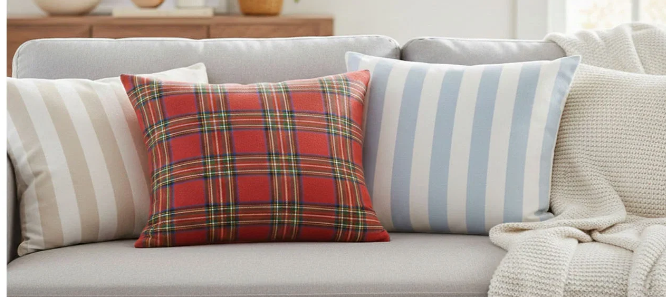 can add visual interest without becoming as dominant as some large or complex patterns.
The direction and scale of the stripes can influence the overall effect:
- Thin stripes can create a subtle, refined appearance.
- Bold stripes can become a stronger focal point.
- Horizontal stripes can emphasize width.
- Vertical stripes can create a different sense of visual direction.
- Neutral stripes can introduce pattern while maintaining a calm color palette.
A simple approach is to combine striped cushions with two or three plain cushions in complementary shades. This creates variety without making the sofa look overcrowded.
Cotton vs. Linen Couch Covers: Which One Should You Choose?
Both cotton and linen can be excellent choices, but each offers a different look and feel.
| Feature | Cotton | Linen |
|---|---|---|
| Comfort | Soft and familiar | Lightweight and naturally comfortable |
| Breathability | Good | Excellent |
| Texture | Generally smooth to moderately textured | Naturally textured and relaxed |
| Durability | Suitable for regular household use | Strong natural fiber suitable for everyday interiors |
| Appearance | Versatile and casual | Relaxed, refined, and natural |
| Maintenance | Depends on construction and care instructions | Requires attention to manufacturer care instructions |
| Best for | Busy living spaces and versatile décor | Natural, relaxed, and sophisticated interiors |
The right choice ultimately depends on your lifestyle and decorating priorities. Cotton may appeal to households looking for a familiar, versatile fabric, while linen can be ideal for those who appreciate natural texture and a relaxed aesthetic.
Tips for Styling Couch and Cushion Covers
Good styling is less about matching everything perfectly and more about creating visual balance.
Start by choosing a dominant color from the room. This could come from the rug, curtains, wall color, artwork, or existing furniture. Then select couch and cushion covers that complement rather than compete with that color.
Try these practical ideas:
- Combine solid cushions with one or two patterned designs.
- Mix smooth cotton with more textured linen or woven fabrics.
- Use different shades of the same color for a coordinated appearance.
- Add a striped cushion to a collection of plain cushions.
- Use neutral tones as a foundation and introduce small amounts of color.
- Consider washable couch covers if the furniture receives heavy daily use.
- Choose durable materials when decorating homes with pets or young children.
- Measure the sofa and cushions before purchasing covers.
It is also useful to consider how the covers will work throughout the year. Lighter fabrics and colors can create an airy summer appearance, while warmer tones and heavier textures may feel more inviting during colder months.
How to Care for Cotton and Linen Couch Covers
Proper care can help maintain the appearance of your home textiles. However, care requirements can vary significantly depending on the specific fabric, construction, and finishing process.
Always begin by reading the manufacturer's care label. If washing is recommended, use the temperature and cycle specified by the manufacturer. Avoid assuming that every cotton or linen cover should be washed in the same way.
For everyday maintenance:
- Treat spills promptly according to the care instructions.
- Avoid using harsh cleaning products unless the manufacturer recommends them.
- Do not use excessive heat when drying unless specifically permitted.
- Make sure covers are completely dry before storing or putting them back on furniture.
- Store clean covers in a dry, well-ventilated location.
- Follow specific instructions for ironing, steaming, or professional cleaning when applicable.
Taking a little extra care can help preserve both the fabric and its appearance.
Conclusion
The right couch and cushion covers can make a living room more comfortable, practical, and visually appealing without requiring a complete furniture makeover. Cotton offers versatility and a familiar soft feel, while linen provides natural texture and a relaxed aesthetic.
Whether you prefer a simple cotton couch slipcover, elegant linen sofa covers, bright white cushion covers, or patterned striped cushion covers, the key is to balance appearance with fit, durability, comfort, and maintenance.
For readers exploring natural-fabric home textiles, All Cotton and Linen is one place to explore different cotton and linen options for creating a comfortable and thoughtfully styled home. With the right combination of couch covers and cushions, even a familiar sofa can become a refreshed centerpiece of the living room.

 English
 Arabic
 French
 Portuguese
 Deutsch
 Turkish
 Dutch
Dutch
 Italiano
 Russian
 Romaian
 Portuguese (Brazil)
 Greek
Greek