


How to Choose the Right Fabric for Modern Kilts
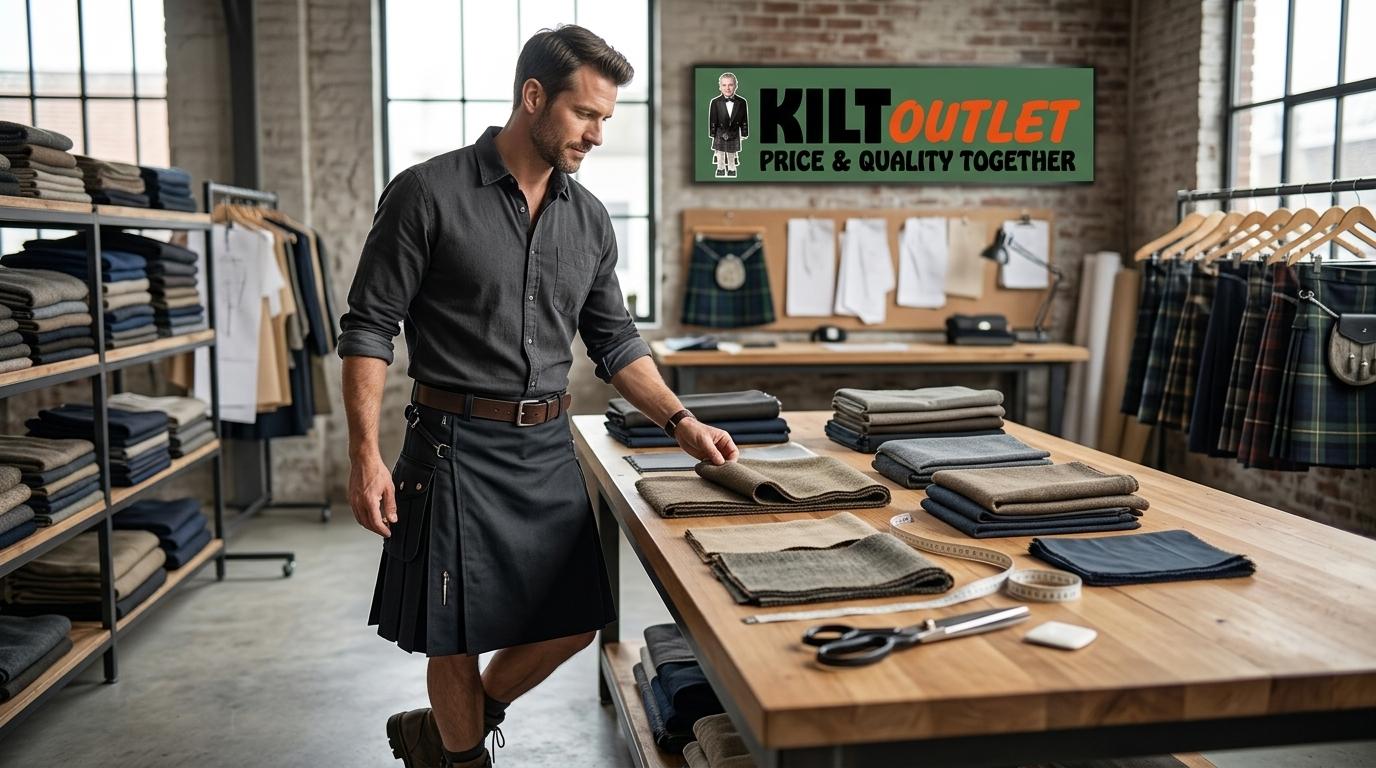
Choosing a modern kilt starts with more than appearance. A garment can look sharp in a product photo yet feel too warm, stiff, heavy, or restrictive after several hours. That problem becomes obvious when you wear the kilt at an event, during travel, or through an active day. Fabric choice matters because it affects comfort, movement, structure, care, and how easily the kilt fits into a modern wardrobe.
What Makes a Modern Kilt Different?
Modern kilts take inspiration from traditional kilt construction while adapting the design for contemporary wardrobes. They can use different fabrics, colors, fastenings, pocket arrangements, and styling details.
The fabric often determines the character of the garment. A lightweight cotton kilt can create a casual appearance, while a heavier material can provide a more structured silhouette.
Before choosing a fabric, consider how you plan to wear the kilt. A garment intended for occasional events may need different characteristics from one used regularly for casual outings.
Start With Comfort
Comfort should remain a priority regardless of the kilt's appearance. A modern kilt should allow you to walk, sit, bend, and move naturally.
Fabric weight can influence how comfortable the garment feels over several hours. Lightweight materials may suit warm environments, while heavier fabrics can provide more structure in cooler conditions.
The waistband also affects comfort. Even a high-quality fabric can feel uncomfortable if the garment fits too tightly or sits at the wrong position.
Cotton for Casual Modern Kilts
Cotton offers a familiar feel and works well for casual clothing. It can create a softer, relaxed appearance that suits everyday wear.
Cotton comes in different weights and weaves, so buyers should check the actual material specification before making a decision. A lightweight cotton fabric can work well in warm weather, while heavier cotton can create a more substantial appearance.
Cotton can absorb moisture, so it may not suit every outdoor situation. Consider your local climate and intended use before selecting it.
Synthetic and Blended Fabrics
Synthetic materials and fabric blends can provide different combinations of durability, weight, flexibility, and maintenance convenience.
Polyester blends, for example, can create fabrics that suit active casual wear. The exact performance depends on the weave, weight, and composition, so buyers should read the product specifications carefully.
Blended fabrics can also offer a balance between different material characteristics. They may suit people who want a modern kilt that works across multiple situations.
Denim and Heavier Modern Fabrics
Denim can give a kilt a contemporary appearance while providing a firm structure. It works particularly well with casual wardrobes that already include denim jackets, boots, and everyday shirts.
However, denim can feel heavier than lightweight cotton. Consider the climate and how long you expect to wear the kilt.
Heavy fabric can also affect movement. The garment should retain enough flexibility to allow comfortable walking and sitting.
Consider Breathability
Breathability becomes especially important in warm climates. A fabric that traps too much heat can make an otherwise attractive kilt uncomfortable.
Lightweight fabrics can help create a less bulky garment. However, breathability depends on more than fiber type. Weave, thickness, lining, and overall construction can also influence how the garment feels.
If you plan to wear the kilt outdoors, consider the complete outfit rather than looking at the kilt in isolation.
Durability and Construction
Fabric quality represents only one part of durability. Stitching, seams, fasteners, pockets, straps, and waistband construction also affect how the garment handles regular use.
Inspect areas that experience repeated movement. Pocket openings and waist fasteners deserve particular attention because users frequently interact with them.
A well-constructed kilt should maintain its shape and remain comfortable after repeated wear.
Match Fabric With Your Style
Modern kilts can work with different wardrobes. A lightweight fabric can create a relaxed appearance, while structured material can create a sharper look.
Consider your existing clothing before choosing. If you usually wear casual shirts and sneakers, a simple modern kilt may integrate easily. If you prefer jackets and boots, a heavier fabric may complement that style.
The goal is to select a kilt that you will actually wear rather than choosing a design that only works for one occasion.
Think About Maintenance
Different fabrics require different care. Before buying, check the manufacturer's washing, drying, ironing, and storage instructions.
Easy-care fabric can be useful for people who plan to wear their kilt frequently. More delicate materials may require additional attention.
Proper care also helps preserve the garment's appearance. Avoid assuming that every modern kilt can go through the same washing process.
Choosing the Right Fabric for Your Needs
Buyers searching for Men's best Fabric Modern kilts should compare material composition, weight, breathability, flexibility, durability, construction, and maintenance requirements.
There is no universal fabric that works perfectly for every wearer. Your climate, lifestyle, preferred style, and intended use should determine the final choice.
Final Considerations
A modern kilt should provide more than a distinctive appearance. The right fabric can improve comfort, movement, durability, and versatility.
Take time to understand the material before purchasing. When you match fabric characteristics with your lifestyle, you can choose a modern kilt that feels appropriate for both special occasions and regular wear.

 English
 Arabic
 Spanish
 Portuguese
 Deutsch
 Turkish
 Dutch
Dutch
 Italiano
 Russian
 Romaian
 Portuguese (Brazil)
 Greek
Greek