


How Can Professional Whole House Mold Removal Services Protect Cedar Park Homes?
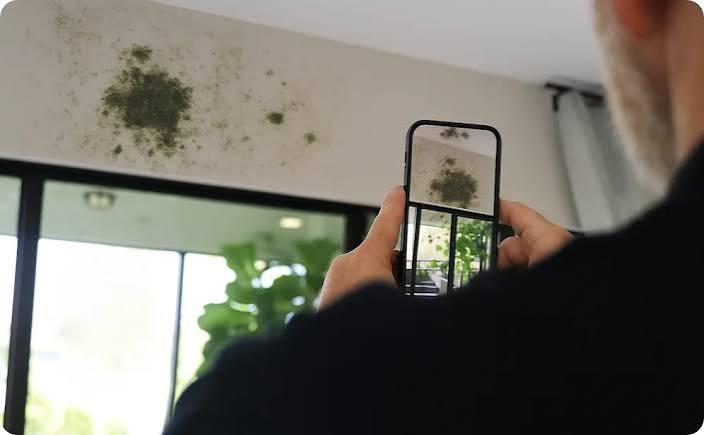
Mold can become a persistent property problem when moisture remains hidden behind walls, beneath flooring, inside cabinets, or around plumbing. Professional whole house mold removal services can address visible growth while also identifying the moisture conditions that allow mold to return.
For Cedar Park homeowners, professional whole house mold removal services can be especially important when mold appears in several rooms, follows water damage, returns after cleaning, or may be present in areas that are difficult to inspect. Effective remediation focuses on the mold, affected materials, and underlying moisture problem rather than simply treating visible spots.
What Does Whole House Mold Removal Mean?
Whole-house mold removal does not necessarily mean every surface in a home contains mold or that every room must be treated. Instead, it refers to a comprehensive approach when mold or moisture problems extend across multiple areas or when hidden contamination is suspected.
Mold spores naturally exist indoors and outdoors. The problem develops when spores encounter moisture and suitable materials for growth. The EPA explains that moisture control is central to controlling indoor mold and that water problems should be corrected along with mold cleanup.
A comprehensive assessment may consider:
· Visible mold growth
· Musty odors
· Previous leaks or flooding
· Damp drywall or insulation
· Wet flooring or subflooring
· Plumbing problems
· Roof or window intrusion
· HVAC-related moisture
· Indoor humidity
· Areas behind or beneath finished surfaces
The objective is to determine the extent of the problem and establish a practical remediation plan.
Why Can Mold Become a Problem in Cedar Park?
Mold requires moisture to grow. A home can develop a mold problem after a plumbing leak, roof intrusion, appliance failure, flooding, condensation, or another source of persistent dampness.
Common causes include:
Plumbing Leaks
Leaking pipes, supply lines, fixtures, or connections can introduce moisture into walls, cabinets, floors, and ceilings. A concealed leak may continue for an extended period before visible mold appears.
Previous Water Damage
A property may look restored after a water event while moisture remains inside building materials. If drying was incomplete, mold can develop later.
Roof and Window Intrusion
Water entering around damaged roofing, flashing, windows, or exterior openings can dampen insulation, drywall, wood framing, and other materials.
Excess Indoor Humidity
Bathrooms, kitchens, laundry areas, and poorly ventilated spaces can accumulate moisture. The EPA recommends controlling indoor humidity and improving ventilation to help prevent mold growth.
HVAC Condensation
Air-conditioning systems and associated components can experience condensation or drainage problems. Persistent moisture around HVAC equipment may require investigation.
What Are the Warning Signs of Whole House Mold?
Mold is not always immediately visible. Property owners should pay attention to changes in the building as well as obvious growth.
Potential warning signs include:
· Persistent musty odors
· Dark, green, white, or discolored patches
· Repeated mold growth in the same location
· Peeling or bubbling paint
· Stained drywall or ceilings
· Warped flooring
· Damp carpeting
· Condensation around windows or vents
· Unexplained humidity
· Previous flooding or plumbing damage
· Recurring moisture problems
A musty smell without visible mold deserves attention because mold can exist in concealed spaces.
The CDC notes that mold may grow around leaks, pipes, roofs, windows, and areas affected by flooding. It also recommends addressing both the mold and the moisture problem.
Can Mold Exist Behind Walls or Under Flooring?
Yes. Hidden mold can develop where moisture becomes trapped and remains undisturbed.
Examples include:
· Behind drywall
· Beneath flooring
· Inside wall cavities
· Around plumbing penetrations
· Under cabinets
· Inside insulation
· Around HVAC components
· Beneath wet carpet or padding
This is one reason surface cleaning may not resolve a larger moisture problem. If the source of moisture remains active, mold can return.
Moisture detection equipment can help identify areas that require closer inspection. Thermal imaging may reveal temperature differences associated with moisture, while moisture meters can help evaluate affected building materials.
Why Is Moisture Detection Important?
Mold remediation should begin with understanding why the mold developed.
A professional assessment may include visual inspection and moisture measurements. Depending on the situation, technicians may use moisture meters, thermal imaging, or other diagnostic equipment.
Legacy Water Restoration describes moisture mapping and thermal imaging as part of its water damage mitigation process. Its mold remediation service also emphasizes addressing the moisture source rather than treating mold as an isolated surface problem.
This distinction matters because cleaning mold without correcting the underlying water problem can result in recurring growth.
What Happens During Professional Mold Remediation?
A professional remediation process can vary depending on the extent of contamination and affected materials. A typical approach may include several stages.
1. Inspection and Assessment
The property is evaluated for visible mold, moisture, water damage, odors, and potential sources of continued dampness.
2. Moisture Source Identification
Leaks, condensation, humidity, or previous water intrusion are investigated. The moisture source needs to be corrected before remediation can be considered complete.
3. Containment
When appropriate, affected areas may be isolated to reduce the movement of contaminated dust and particles into unaffected parts of the property.
4. Air Filtration
Professional remediation may use HEPA filtration or air-cleaning equipment during appropriate containment procedures.
5. Removal of Affected Materials
Some porous materials may not be practically cleanable when they are extensively contaminated or damaged. EPA guidance notes that moldy porous materials such as carpet or ceiling tiles may need to be discarded when mold cannot be effectively removed.
6. Cleaning and Treatment
Appropriate surfaces are cleaned using methods suitable for the material and contamination level.
7. Drying and Moisture Control
Affected areas are dried, and remaining moisture is addressed. Depending on the situation, water extraction, structural drying, or dehumidification may be required.
8. Final Assessment
The affected area should be evaluated to determine whether the remediation work and moisture correction have been completed appropriately.
Why Are Water Extraction and Structural Drying Connected to Mold Removal?
Mold remediation and water damage restoration are closely connected because moisture is one of the primary conditions that supports mold growth.
If a home has recently experienced flooding or a major leak, standing water may need to be extracted before structural drying begins. Remaining moisture can then be removed from affected materials through controlled air movement and dehumidification.
Legacy Water Restoration provides water extraction and structural drying services alongside mold removal and remediation. Its structural drying process includes moisture monitoring and dehumidification to evaluate affected materials rather than relying only on how dry a surface appears.
This integrated approach can be useful when mold follows a water loss.
Is DIY Mold Cleaning Always Appropriate?
No. The appropriate response depends on the size, location, cause, and circumstances of the mold problem.
The EPA indicates that small mold areas may sometimes be handled by homeowners, while larger areas, extensive water damage, contaminated water, HVAC contamination, or other complex conditions may require professional assistance.
Professional help is particularly appropriate when:
· Mold covers a large area
· Mold keeps returning
· There has been extensive water damage
· Sewage or contaminated water is involved
· Mold may be inside HVAC equipment
· Porous structural materials are extensively affected
· The source of moisture is unknown
· Structural damage is suspected
The CDC also advises people with certain respiratory or immune-related vulnerabilities not to participate in mold cleanup.
What Should Homeowners Avoid During Mold Cleanup?
Homeowners should avoid actions that spread contamination or hide the underlying problem.
Do not:
· Paint directly over mold
· Caulk moldy surfaces
· Ignore an active plumbing leak
· Disturb heavily contaminated materials unnecessarily
· Enter unsafe flooded areas
· Use electrical equipment around standing water
· Mix cleaning chemicals
· Assume a musty odor will disappear on its own
· Replace visible drywall without investigating moisture
· Run a potentially contaminated HVAC system
The EPA specifically advises against painting or caulking over mold before cleaning and drying the affected surface.
If flooding involves sewage or contaminated water, professional cleanup is recommended because additional health and safety concerns may exist.
Can Mold Affect Indoor Air Quality?
Mold can affect indoor environmental conditions, particularly when growth is extensive or disturbed during cleanup.
The CDC reports that exposure to damp and moldy environments may cause symptoms in some people, including nasal, throat, eye, skin, or respiratory symptoms. People with asthma, allergies, certain chronic lung conditions, or weakened immune systems can face additional concerns.
This does not mean every person exposed to mold will experience health effects. However, extensive mold should be handled carefully, and people who may be more vulnerable should avoid participating in cleanup.
How Can Cedar Park Homeowners Prevent Mold From Returning?
Successful remediation should be followed by moisture prevention.
Homeowners can reduce future risk by:
1. Repairing plumbing leaks promptly.
2. Checking under sinks and around appliances.
3. Maintaining appropriate indoor humidity.
4. Using bathroom exhaust fans.
5. Addressing roof and window leaks.
6. Drying wet materials promptly after water events.
7. Checking areas where previous water damage occurred.
8. Maintaining HVAC drainage and components.
9. Investigating recurring musty odors.
10. Monitoring areas prone to condensation.
For properties with widespread or recurring mold concerns, Professional whole house mold removal services may be appropriate to address affected areas and identify moisture sources that could contribute to mold returning.
The EPA recommends drying water-damaged areas and materials promptly and controlling indoor moisture as part of mold prevention.
When Should You Call a Professional?
Professional mold remediation is worth considering when the problem extends beyond a small, easily accessible area or when the underlying moisture source is unclear.
A professional assessment can be particularly useful after:
· A significant plumbing leak
· Flooding
· Repeated roof leaks
· Long-term moisture intrusion
· Recurring mold growth
· Extensive drywall or flooring damage
· Suspected HVAC contamination
· Sewage backup
· Mold growth across multiple rooms
The goal is not simply to remove what can be seen. A complete approach considers the moisture source, affected materials, containment needs, cleaning, drying, and prevention.
How Can Legacy Water Restoration Help Cedar Park Property Owners?
Legacy Water Restoration lists Cedar Park among the Central Texas communities it serves. Its mold removal and remediation service addresses containment, affected material removal, HEPA air cleaning, antimicrobial treatment, moisture-source correction, and post-remediation considerations.
The company also provides related water damage services, including water damage restoration, water damage mitigation, water extraction, structural drying, water leak repair, broken pipe repair, and dehumidification.
This combination is relevant when mold is connected to a previous or ongoing water problem. Addressing the moisture source is an important part of preventing recurring growth.
For Cedar Park homeowners, those looking for Best whole house mold removal services In Cedar Park, TX should consider what caused the mold, how extensive the affected area is, whether building materials are damaged, and whether moisture remains present.
Frequently Asked Questions
Can mold be completely removed from a house?
It is not practical to eliminate every mold spore indoors. The goal is to remove active mold growth, address affected materials appropriately, and correct the moisture conditions that support growth.
Does whole house mold removal mean every room must be treated?
Not necessarily. The scope depends on the location and extent of mold and moisture problems. A professional assessment can help determine which areas require remediation.
Can mold return after professional remediation?
It can return if the underlying moisture problem remains unresolved. Fixing leaks, controlling humidity, and keeping affected materials dry are important parts of long-term prevention.
Is mold testing always necessary?
No. The CDC does not recommend routine home mold testing as a way to determine whether a mold problem exists. Visible or known mold should be addressed, and the moisture source should be corrected.
Should I clean mold myself?
Small, limited areas may sometimes be cleaned safely, but larger contamination, extensive water damage, contaminated water, HVAC involvement, or vulnerable occupants can make professional assistance more appropriate.
Can water damage lead to mold?
Yes. Mold can grow when water-damaged materials remain damp. Prompt drying and moisture control are important after leaks and flooding.
Does Legacy Water Restoration serve Cedar Park?
Yes. Cedar Park is included in Legacy Water Restoration's listed service area, and the company offers mold remediation and related water restoration services.
Conclusion
Mold is usually a moisture problem as much as it is a cleaning problem. Visible growth may be only one part of a larger issue involving hidden leaks, damp building materials, excess humidity, or previous water damage.
Professional whole house mold removal services can provide a more comprehensive response by evaluating moisture sources, affected areas, building materials, containment needs, cleaning requirements, and drying. For homeowners in Cedar Park, this approach can be especially useful when mold is widespread, repeatedly returns, or follows significant water damage.

 English
 Arabic
 French
 Spanish
 Portuguese
 Deutsch
 Turkish
 Dutch
Dutch
 Italiano
 Russian
 Romaian
 Portuguese (Brazil)