


What You Should Know About Lipedema Before Seeking Treatment
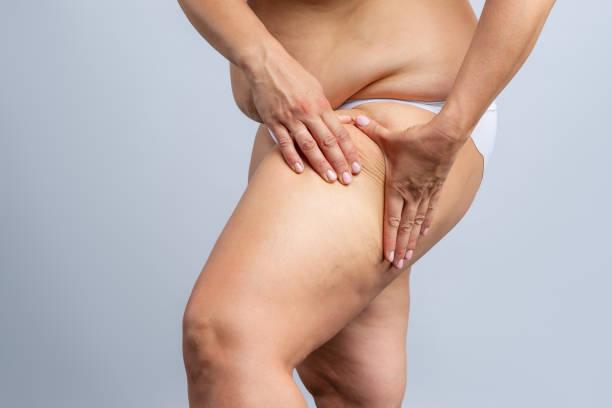
Lipedema is a chronic condition involving an abnormal and often symmetrical accumulation of fatty tissue, usually affecting the hips, thighs, legs, and sometimes the arms. It primarily affects women and may become more noticeable during hormonal changes. Before exploring treatment, it is important to understand what the condition looks like and how it differs from ordinary weight gain. Learning about Lipedema in Riyadh can help individuals recognize possible symptoms and approach professional assessment with realistic expectations.
Recognizing the Common Signs
Lipedema can present through several physical characteristics that may develop gradually. Symmetrical enlargement of the legs or arms is common, while the feet are often unaffected. The affected areas may also feel tender, heavy, or sensitive. Easy bruising and swelling can occur as well. Recognizing these signs can help individuals determine when it may be appropriate to seek professional guidance.
Symmetrical Fat Distribution
Unlike general weight gain, lipedema often affects both sides of the body in a similar pattern. The thighs, hips, lower legs, or arms may become disproportionately larger compared with other areas.
Tenderness and Pain
Affected tissue may feel sensitive or painful when touched. Some people experience aching or discomfort that becomes more noticeable after prolonged standing or physical activity.
Easy Bruising
Individuals with lipedema may notice bruises developing after minor pressure or bumps. Frequent unexplained bruising can be an important symptom to mention during a professional evaluation.
Heaviness and Swelling
The affected limbs may feel heavy, tight, or swollen, particularly after spending extended periods standing or being active.
Lipedema Is Not Simply Weight Gain
One important fact to understand before seeking treatment is that lipedema is not simply the result of overeating or lack of exercise. Its characteristic fat distribution and associated symptoms distinguish it from ordinary weight gain. Although healthy nutrition and exercise remain valuable, lipedema-related fat may not respond in the same way as typical body fat. Lipedema in Riyadh should therefore be assessed according to symptoms and physical characteristics rather than weight alone.
Why Proper Diagnosis Matters
There is no single laboratory test that independently confirms lipedema. A professional assessment usually considers medical history, symptoms, body-fat distribution, and physical examination findings. Other conditions that can cause swelling or unusual fat accumulation may also need to be considered. Obtaining an appropriate assessment before treatment can help ensure that management is directed toward the actual cause of the symptoms.
Factors Associated With Lipedema
Hormonal Influences
Hormonal changes may influence the development or progression of lipedema. Some individuals first notice symptoms during puberty, pregnancy, or menopause.
Family History
Genetic factors may also play a role. A family history of similar symptoms or disproportionate fat distribution can be useful information to share during an assessment.
Overall Health
Lipedema can occur alongside other health concerns, making an overall assessment important. Understanding your general health can help a professional determine which management approaches may be appropriate.
What to Consider Before Treatment
Understand Your Symptoms
Before an appointment, consider when your symptoms started, which areas are affected, and whether you experience pain, swelling, heaviness, or easy bruising. This information can make the assessment more informative.
Discuss Your Goals
Treatment goals can vary from improving physical comfort and mobility to addressing changes in body contour. Clearly communicating your expectations can help guide an individualized approach.
Consider Individualized Care
There is no single treatment plan that is suitable for everyone with lipedema. Management depends on symptoms, severity, overall health, and personal needs. A professional can help determine the most appropriate options after assessment.
Lifestyle and Supportive Management
Maintaining a balanced diet and regular physical activity can support overall health and mobility. Low-impact activities may be more comfortable for individuals experiencing heaviness or discomfort. Depending on symptoms, supportive approaches such as compression garments or physical therapy may also be considered. These measures should be discussed with a qualified healthcare professional to ensure they are appropriate.
What Can You Expect From a Professional Assessment?
A professional consultation may involve discussing your symptoms, medical history, body changes, and treatment goals. The affected areas may also be examined to understand the pattern of fat distribution and identify other possible causes of symptoms. This assessment provides an opportunity to ask questions and develop a management plan suited to your individual circumstances.
When Should You Seek Professional Guidance?
Consider professional advice if you experience persistent symmetrical fat accumulation, tenderness, easy bruising, swelling, or heaviness that does not seem consistent with ordinary weight changes. Early evaluation can help clarify the cause of your symptoms and provide a better understanding of available management approaches. Lipedema in Riyadh can be approached with greater confidence when you understand the condition and receive personalized professional guidance.
Book an Appointment at Royal Clinic Saudi
If you are concerned about possible lipedema symptoms, Royal Clinic Saudi can provide an individualized assessment based on your symptoms, medical history, and personal goals. A professional consultation can help you understand your condition and discuss suitable management options. Booking an appointment can be an important first step toward making informed decisions about your care.
FAQs:
What should I know before seeking lipedema treatment?
Understand your symptoms, obtain a professional assessment, and discuss realistic treatment goals.
Is lipedema the same as ordinary weight gain?
No. Lipedema has a characteristic fat distribution and may involve tenderness, swelling, heaviness, and easy bruising.
Can diet and exercise eliminate lipedema?
Healthy habits support overall health, but lipedema-related fat may not respond like ordinary body fat.
Why is professional diagnosis important?
It helps distinguish lipedema from other conditions and supports a more appropriate management plan.

 English
 Arabic
 French
 Spanish
 Portuguese
 Deutsch
 Turkish
 Dutch
Dutch
 Italiano
 Russian
 Portuguese (Brazil)
 Greek
Greek