


Safe Chews for Dogs: Finding the Right Option for Your Pet
Chewing is a natural and enjoyable activity for dogs. Whether a puppy is teething or an adult dog simply loves working through a durable treat, the right chew can provide an engaging addition to the daily routine. However, not every chew is appropriate for every dog. Finding safe chews for dogs requires attention to ingredients, size, texture, durability, and your dog's individual chewing habits.
A suitable chew should provide an enjoyable experience while being appropriate for your dog's age, size, and chewing strength. Careful selection and supervision are just as important as the ingredients in the product.
What Makes a Chew Safe for Dogs?
There is no single chew that is universally safe for every dog. Dogs have different chewing styles, dietary needs, and dental conditions. A product that works well for a gentle chewer may not be suitable for a dog that aggressively bites and swallows large pieces.
Start by checking the ingredient list and product instructions. Look for clear information about the chew's intended size, recommended use, and feeding guidance. Simple ingredient lists can also make it easier to understand what your dog is receiving.
Most importantly, the chew should be appropriate for your dog's individual circumstances.
Choose the Correct Size
Size is one of the most important factors when selecting a chew. A product that is too small may be swallowed quickly, while an oversized chew may be difficult for a small dog to handle.
Large dogs and powerful chewers generally need appropriately sized, durable products. Smaller dogs may require smaller chews that fit comfortably in their mouths.
Always consider your dog's actual chewing behavior instead of relying only on breed or weight. If your dog finishes a chew unusually quickly, a different size or texture may be more suitable.
Consider Your Dog's Chewing Style
Some dogs carefully nibble their treats, while others immediately try to break them apart. Understanding this difference can help you select a more suitable product.
Gentle chewers may enjoy moderately firm treats, while strong chewers may benefit from larger, longer-lasting options. However, extremely hard chews are not automatically better. Excessive hardness may create concerns for dogs with sensitive or compromised teeth.
Observe your dog's behavior during each chewing session and adjust the product accordingly.
Simple Ingredients Can Be Helpful
Many pet parents prefer treats made with straightforward ingredients. Single-ingredient chews can make ingredient checking easier and may be appealing to households that prefer minimally processed options.
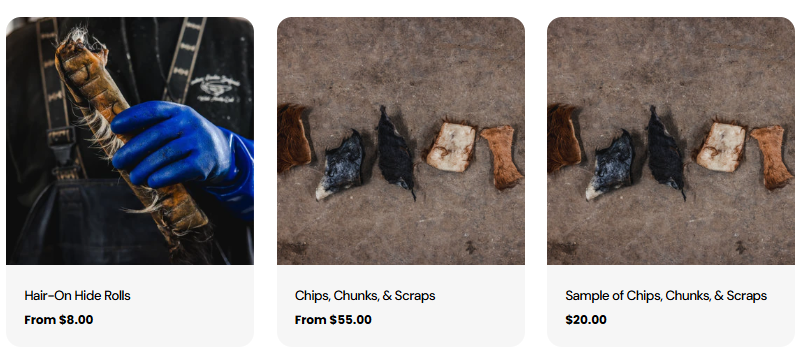
Beef hide is one example of an animal-based chew ingredient that can provide a naturally firm texture. Other options may include appropriately prepared meat-based treats and purpose-designed dental products.
Always check the label for additional ingredients, especially if your dog has known food sensitivities or dietary restrictions.
Are Natural Chews a Good Option?
Natural chews can provide an enjoyable chewing experience, but "natural" does not automatically mean appropriate for every dog. The product still needs to match the dog's age, size, dental condition, and chewing style.
Whole-hide products can offer a durable texture for dogs that enjoy longer chewing sessions. Their suitability depends on the individual product and the dog consuming it.
If your dog has dental problems, digestive concerns, or a history of swallowing large pieces, speak with your veterinarian before introducing a new type of chew.
Safe Chews and Dental Health
Chewing a firm treat can create friction against the tooth surface. While this may help remove some surface material, chew treats should not replace regular dental care.
Daily brushing, routine veterinary dental examinations, and professional cleaning when recommended are important parts of maintaining oral health.
Avoid selecting a chew solely because it is marketed as a dental product. Consider its firmness and whether your dog can comfortably handle it.
Always Supervise Chewing
Even an appropriately sized chew should be given under supervision. Watch how your dog holds, bites, and breaks down the treat.
Remove a chew when it becomes small enough to swallow whole, develops sharp edges, or begins producing loose pieces. Dogs that consume treats rapidly may require additional caution.
Supervision is particularly important when introducing a new product because you are still learning how your dog responds to its texture.
Store Chews Properly
Proper storage can help maintain the condition of unused treats. Follow the manufacturer's storage instructions and keep chews in a clean, cool, and dry location when recommended.
Avoid leaving chews where they can become damp or contaminated. Inspect each product before giving it to your dog and discard anything that appears spoiled or damaged.
Keeping treats organized also makes it easier to monitor how much your dog receives throughout the day.
A Natural Option From Ugly Chews
For pet parents looking for straightforward chewing options, Ugly Chews offers whole beef hide chews and other natural dog treats. Its single-ingredient approach may appeal to owners who prefer simple products without unnecessary additives.
The brand offers different chew styles and sizes, so pet parents can consider options based on their dog's individual chewing habits. Always follow the product guidance and supervise your dog during use.
Keep Treats Balanced
Chews should complement a complete and balanced diet rather than replace meals. Consider the calories from chews alongside your dog's regular food and other treats.
If your dog receives multiple snacks throughout the day, adjusting portions may help maintain a balanced routine. Dogs with special nutritional requirements should receive treats that fit their dietary plan.
When uncertain about a new chew, your veterinarian can provide advice based on your dog's age, health, and chewing behavior.
Final Thoughts
Finding safe chews for dogs starts with selecting a product that fits the individual dog. Ingredient quality, size, texture, chewing strength, and dental condition all deserve consideration.
Choose an appropriate size, introduce new chews under supervision, and remove pieces that become excessively small or damaged. Natural and simple ingredients can be appealing, but suitability should always come first.
With careful selection, proper storage, and responsible supervision, chew treats can provide dogs with an enjoyable activity while fitting comfortably into a balanced everyday routine.

 English
 Arabic
 French
 Spanish
 Deutsch
 Turkish
 Dutch
Dutch
 Italiano
 Russian
 Romaian
 Portuguese (Brazil)
 Greek
Greek