


Face Lift Treatment for Reducing the Appearance of Facial Sagging
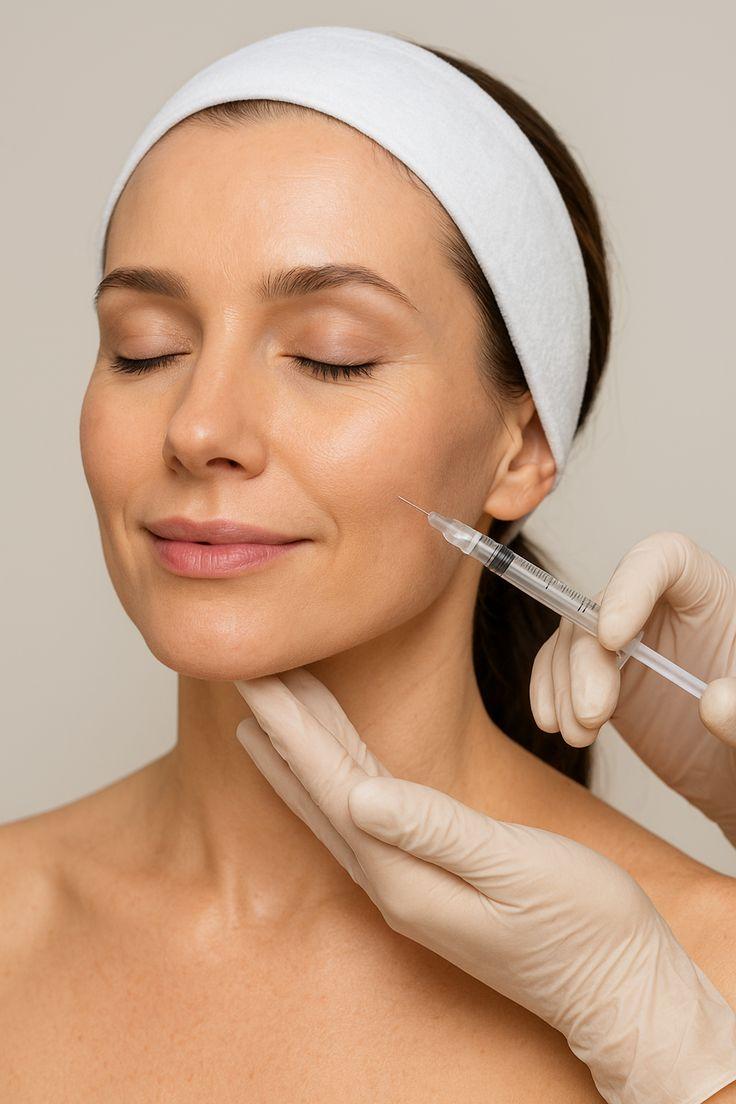
Facial sagging is one of the most noticeable changes associated with the natural aging process. As skin loses elasticity and underlying facial tissues gradually shift, the cheeks, jawline, and lower face may appear less firm. Jowls, loose skin, and deeper facial folds can also become more prominent over time.
For individuals seeking a comprehensive approach to these concerns, face lift treatment can offer a surgical solution. The procedure is designed to address selected areas of skin laxity and, depending on the technique, underlying tissue changes. With personalized planning, it can help create a smoother and more defined facial appearance while maintaining natural-looking features.
Understanding Why Facial Sagging Occurs
Facial sagging develops through a combination of natural and environmental factors. With age, the body produces less collagen and elastin, two proteins that contribute to skin strength and flexibility.
At the same time, facial tissues can gradually move downward, while changes in facial fat distribution may affect volume and contour. Repeated sun exposure, smoking, significant weight fluctuations, and lifestyle factors can also influence the condition of the skin.
These changes can cause the lower face to appear heavier and the jawline to become less distinct.
How Face Lift Treatment Addresses Sagging
A face lift, medically known as rhytidectomy, is designed to improve certain visible signs of facial aging. Rather than simply pulling the skin tighter, modern surgical approaches may involve repositioning or supporting underlying tissues before managing excess skin.
This approach allows the surgeon to address the structural changes contributing to sagging. The exact technique depends on the patient's facial anatomy, skin quality, degree of laxity, and desired outcome.
The goal is generally to create a refreshed appearance without unnecessarily altering the patient's natural facial identity.
Improving Loose Skin Around the Lower Face
Loose skin around the cheeks and lower face can make facial contours appear less defined. As skin begins to hang more noticeably, it can obscure the natural shape of the jawline.
During a face lift, appropriate excess skin may be carefully removed after underlying tissues have been repositioned or supported. This can result in a smoother appearance and more refined lower facial contour.
The amount of correction depends on the patient's individual anatomy and the surgical approach selected.
Addressing Jowls and Jawline Definition
Jowls are small areas of sagging that can develop along the jawline as facial tissues lose their youthful support. They can make the transition between the face and neck appear less distinct.
A face lift may improve the appearance of jowls by addressing the underlying tissue laxity and excess skin contributing to them. Better jawline definition can help restore a more balanced relationship between the lower face and neck.
However, results vary and depend on skin elasticity, tissue structure, and the extent of existing sagging.
Supporting Natural-Looking Facial Rejuvenation
One of the main goals of modern facial surgery is to avoid an excessively tight appearance. Facial features should remain recognizable, and natural movement should be preserved as much as possible.
A qualified surgeon considers facial proportions, skin quality, tissue characteristics, and the patient's expectations when creating a treatment plan.
Rather than eliminating every sign of aging, the procedure aims to create appropriate improvement that complements the patient's overall appearance.
Who May Consider a Face Lift?
Face lift treatment may be considered by adults who have noticeable facial sagging and want a more substantial approach to facial rejuvenation.
Good general health and realistic expectations are important considerations. Age alone does not determine suitability. During consultation, the surgeon reviews medical history, medications, skin condition, facial anatomy, and personal goals.
Depending on the degree of sagging, some patients may be better suited to non-surgical treatments, while others may benefit from surgical correction.
Preparing for Face Lift Surgery
Preparation starts with a detailed consultation. Patients should provide complete information about their health, medications, supplements, allergies, previous procedures, and lifestyle habits.
The surgeon may give specific instructions concerning medications, smoking, alcohol, and other factors that could affect the surgical process or healing.
It is also helpful to arrange transportation after surgery and have appropriate support available at home during the initial recovery period.
Recovery and Aftercare
Temporary swelling, bruising, tightness, and sensitivity can occur following a face lift. These effects typically improve gradually as the tissues heal.
Patients should carefully follow postoperative instructions concerning incision care, physical activity, medications, and follow-up visits. Strenuous exercise should generally be avoided until the surgeon provides clearance.
As swelling subsides, the improved facial contours become more visible. Final results may take several weeks or longer to fully develop.
Choosing Face Lift Treatment in Islamabad
For individuals considering Face lift treatment in Islamabad, selecting a qualified and experienced cosmetic surgeon is an important part of the process. A reputable provider should offer personalized assessment, appropriate surgical facilities, clear communication, and comprehensive aftercare.
Before proceeding, patients should ask about the surgeon's qualifications, experience, recommended technique, potential risks, recovery timeline, and realistic outcomes. A thorough consultation can help ensure that the treatment plan matches the patient's needs.
Maintaining Your Results
A face lift can provide long-lasting improvement, but it does not stop the natural aging process. Future changes to the skin and facial tissues will continue to occur.
Protecting the skin from excessive sun exposure, avoiding smoking, maintaining a balanced diet, staying hydrated, and following a suitable skincare routine can support healthy-looking skin.
Any additional cosmetic treatments should be discussed with a qualified professional to ensure they are appropriate for the patient's individual circumstances.
Frequently Asked Questions
1. What is Face Lift Treatment in Islamabad?
Face lift treatment in Islamabad is a cosmetic surgical procedure designed to address facial sagging, loose skin, jowls, and reduced facial definition through carefully planned tissue and skin management.
2. Can a face lift reduce facial sagging?
Yes. A face lift may reduce the appearance of sagging by addressing selected underlying tissues and excess skin, helping create firmer and more defined facial contours.
3. How long does it take to recover from a face lift?
Recovery varies from person to person. Swelling and bruising generally improve gradually, while final results may take several weeks or longer as healing continues.
4. How do I choose a provider for Face Lift Treatment in Islamabad?
When considering Face lift treatment in Islamabad, choose a qualified surgeon with relevant experience, appropriate facilities, personalized treatment planning, realistic expectations, and comprehensive postoperative care.
For more information visit Enfield royal clinic in islamabad

 English
 Arabic
 French
 Spanish
 Portuguese
 Deutsch
 Turkish
 Italiano
 Russian
 Romaian
 Portuguese (Brazil)
 Greek
Greek