


What to Do When Kids Aren't Interested in Toys
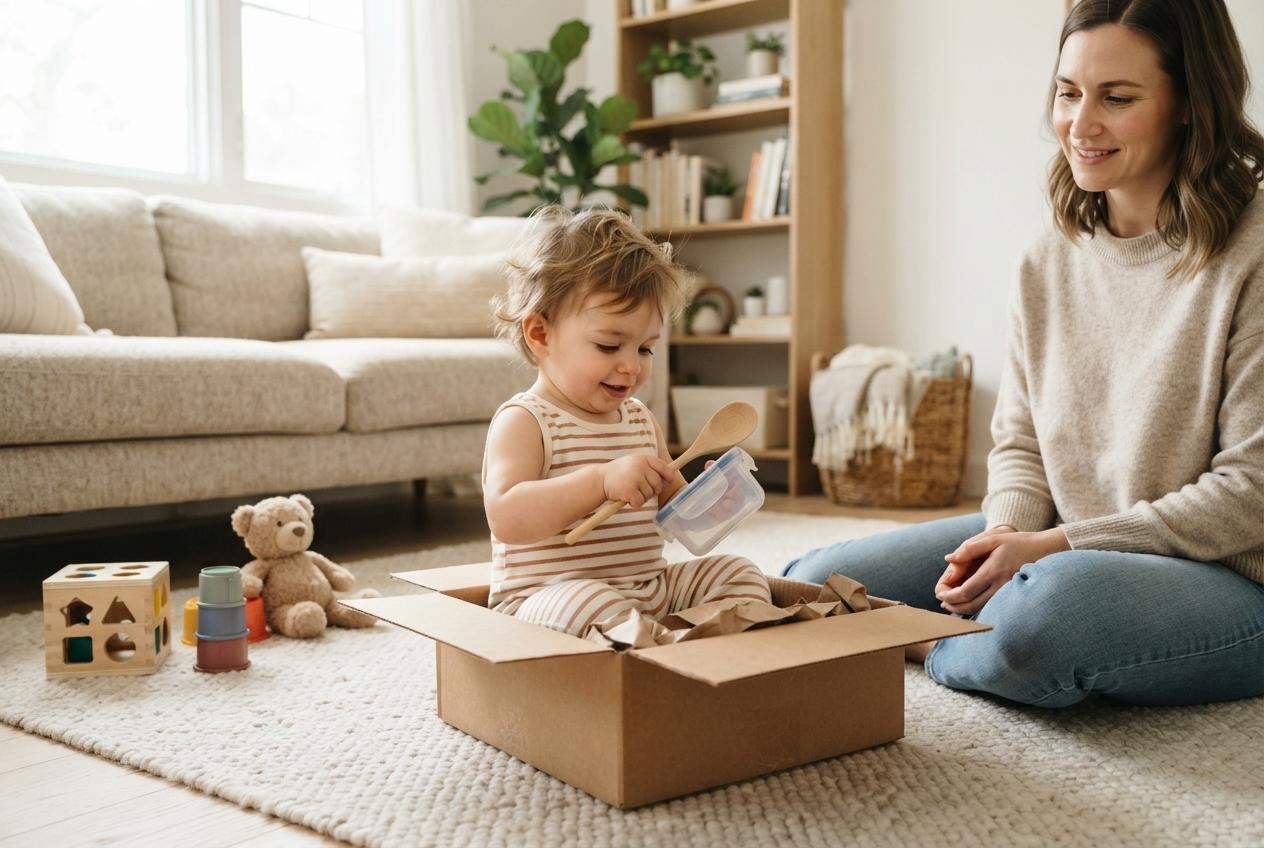
Not every child loves toys. Learn why some children prefer everyday objects and how parents can encourage playful learning without forcing them.
When Your Child Just Isn’t Into Toys
Baby shop choices can sometimes make parents wonder why their child is not interested in the toys they have chosen. While some children can spend a long time playing with toys, others may prefer watching people, moving around, touching household objects, or exploring their surroundings.
This does not always mean something is wrong. Children have different interests and ways of exploring the world. The important thing is to notice what catches your child's attention and use that interest to encourage play and learning.
Why Do Some Children Avoid Toys?
Children may not be interested in toys for many simple reasons.
Some children prefer movement and would rather crawl, walk, climb, or explore their surroundings. Others enjoy everyday objects more than traditional toys. A box, spoon, plastic container, or piece of fabric can sometimes be more interesting than an expensive toy.
The way a toy looks can also matter. A child may not understand what to do with a toy that has too many features or instructions.
Sometimes, the child may simply not be interested in that particular toy.
Instead of worrying about the number of toys your child uses, pay attention to how they explore and interact with the world around them.
Follow Your Child's Interests
One of the easiest ways to encourage a child who does not like toys is to follow what they already enjoy.
If your child loves opening and closing things, offer a safe container with a large lid. If they enjoy moving objects, try rolling a soft ball across the floor. If they like making sounds, give them safe objects that make gentle noises when touched or moved.
The activity does not always need to look like traditional play. Your child may be learning even when they are not playing with a toy.
Notice What Makes Them Curious
Watch your child during the day. Do they enjoy touching different textures? Do they like watching water move? Are they interested in books, music, animals, or movement?
These observations can give you ideas for activities that match their interests. When children enjoy an activity, they are more likely to stay involved and explore for longer.
Do Not Force Your Child to Play
Parents may feel disappointed when a child ignores a toy they carefully chose. However, forcing a child to play with it can make the experience stressful.
Instead, place the toy nearby and let the child decide whether they want to explore it.
You can demonstrate the toy once without asking the child to copy you. For example, you might stack two blocks or roll a toy car across the floor. Then stop and see what your child does.
They may join you later—or they may choose something else. Both responses are okay.
Keep Play Simple
Children do not always need complicated toys. Simple objects can encourage children to use their imagination and discover different ways to play. Blocks can be stacked, moved, sorted, or used to create pretend houses. Cups can be used for simple filling and emptying activities. Soft balls can encourage movement.
If you are looking for age-appropriate options online, a babyshop uae can provide parents with different types of toys and products to consider. However, the goal should be finding things that match your child's interests rather than buying many toys.
Give Them Time to Explore
Some children need more time before they become interested in something new. Instead of introducing a toy for only a few minutes and putting it away, leave it in a safe play area and allow your child to see it several times.
You can also introduce one toy at a time. Too many choices can sometimes make it difficult for a child to decide what to explore. Give them space to touch, move, look at, and experiment with an object in their own way.
Join Their Play Without Taking Over
If your child starts exploring something, join them gently. If they roll a ball, roll it back. If they stack blocks, add one block beside theirs. If they look through a picture book, talk about what you see.
Try not to control the activity. Following your child's lead allows them to feel confident and gives them the freedom to decide what happens next. Simple interaction can turn an ordinary moment into meaningful play.
Everyday Objects Can Be Interesting
A child who ignores toys may still be curious and active. Everyday objects can offer many opportunities for exploration when they are safe and suitable for the child's age.
A cardboard box can become a tunnel. A wooden spoon can become part of pretend play. A plastic cup can be used during supervised water play.
Always make sure objects are clean, safe, large enough not to become choking hazards, and appropriate for your child's age.
The aim is not to replace toys completely. It is to understand that children can learn through many types of experiences.
Choose Toys Based on Your Child
When choosing toys, think about your child's current interests instead of what is popular or visually attractive.
A child who loves movement may enjoy push-and-pull toys. A child who enjoys building may prefer blocks. A child who likes sounds may enjoy simple musical toys.
Online stores such as toysuae can give parents access to different toy choices from home, but the most useful toy is often the one that matches the child's interests and encourages them to explore.
When Should Parents Be Concerned?
Not being interested in toys by itself does not necessarily indicate a problem.
Children develop differently, and some simply prefer other types of activities. What matters is the child's overall development and how they interact with people and their surroundings.
If you have concerns about your child's communication, movement, social interaction, or development, talk with your child's pediatrician or another qualified professional. They can help you understand whether further support is needed.
Let Your Child Show You What They Like
It can be easy to assume that children need to play with toys to learn. In reality, learning can happen through movement, conversation, exploration, books, music, and everyday experiences.
Instead of asking, “Why doesn't my child like toys?” try asking, “What does my child enjoy exploring?”
That small change in thinking can help you discover new ways to connect with your child. Your child does not need to love every toy. They need opportunities to be curious, active, and engaged in a safe environment.
Final Thoughts
A child who is not interested in toys may simply have different interests. Rather than forcing them to play, observe what catches their attention and build activities around it.
Keep things simple, give them time, follow their lead, and remember that play does not have to look a certain way.
Sometimes, the best way to encourage a child is not to find the perfect toy, but to give them the freedom to discover what they enjoy.
FAQs
1. Is it normal for a child not to like toys?
Yes. Some children prefer movement, books, music, household objects, or exploring their surroundings. Children can learn through many different activities.
2. Should I force my child to play with toys?
No. Forcing play can make children frustrated. Instead, introduce toys gently and let your child decide whether they want to explore them.
3. What can I do if my child prefers household objects?
Offer safe, age-appropriate household objects under supervision. Boxes, cups, and other simple objects can provide opportunities for exploration and pretend play.
4. How can I make toys more interesting?
Follow your child's interests. Try demonstrating a toy without forcing them to use it, or combine it with an activity they already enjoy.
5. Does not liking toys mean something is wrong?
Not necessarily. Children have different interests. If you have wider concerns about your child's development, speak with a pediatrician or qualified professional.
6. Does a child need lots of toys to learn?
No. A small number of simple, age-appropriate toys can provide plenty of opportunities for creative and independent play.

 Arabic
 French
 Spanish
 Portuguese
 Deutsch
 Turkish
 Dutch
Dutch
 Italiano
 Russian
 Romaian
 Portuguese (Brazil)
 Greek
Greek