


Upper Eyelid Surgery London: How Is Your Natural Eyelid Shape Considered?
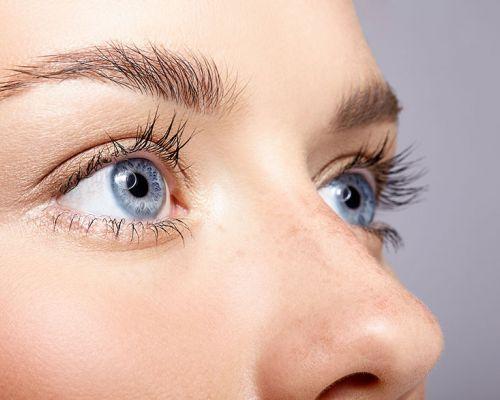
The appearance of the upper eyelids can vary significantly from one person to another. Differences in eyelid height, crease position, skin distribution, brow position, and the relationship between the eyelid and surrounding facial features all contribute to the natural appearance of the eyes. For this reason, upper eyelid surgery is not simply about removing a particular amount of skin. The natural structure and shape of each eyelid need to be considered when planning treatment.
Upper Eyelid Surgery in London involves an individual assessment to understand the existing eyelid anatomy and determine how any changes can complement the patient's facial features. Rather than aiming for an identical appearance for every patient, the assessment focuses on creating an approach that respects the person's natural eyelid characteristics.
Understanding Your Natural Upper Eyelid Shape
Before considering upper eyelid surgery, it is important to understand what makes the eyelids look the way they do. The upper eyelid consists of several anatomical structures that work together to create its visible shape. The amount of skin, the position of the natural eyelid crease, the underlying tissues, and the position of the eyebrows can all influence the overall appearance.
Some people naturally have a more visible upper eyelid crease, while others have a lower or less defined crease. The amount of visible eyelid space can also differ. These characteristics are part of the person's individual facial anatomy and may influence how surgery is planned.
During an assessment, the eyelid is considered as part of the face rather than as an isolated feature. This allows the overall proportions around the eyes to be taken into account when discussing possible treatment.
Why Eyelid Shape Matters During Assessment
Every person's eyelid has a slightly different shape and structure. Two people may have a similar amount of excess skin but require different approaches because their eyelid creases, brows, or surrounding facial proportions are not the same.
The natural shape can influence where an incision may be considered and how much skin may need to be addressed. The objective is generally to work with the existing anatomy rather than create an appearance that looks disconnected from the rest of the face.
For patients considering Upper Eyelid Surgery in London, this personalised assessment can help establish realistic treatment goals. It also allows the discussion to focus on the patient's individual concerns, such as a heavier-looking upper eyelid, reduced visible eyelid space, or changes in the appearance of the upper eye area.
How the Upper Eyelid Crease Is Considered
The upper eyelid crease is an important part of the eye's natural appearance. Its height, shape, and visibility can differ naturally between individuals. During an eyelid assessment, the existing crease is examined alongside the surrounding tissues and facial features.
The crease may appear more prominent when the eyes are open and less visible when the eyelids are relaxed. Its position can also influence how much upper eyelid skin appears to sit above the eye.
When planning surgery, the natural crease is therefore an important anatomical reference. The approach can be discussed in a way that takes the patient's existing eyelid characteristics into consideration instead of relying on a standard measurement for everyone.
Considering the Amount of Upper Eyelid Skin
The amount and distribution of skin around the upper eyelid can affect the appearance of the eyes. Some patients may notice that the skin creates a heavier appearance, while others may have a more subtle change in the upper eyelid area.
Assessment involves looking at the skin while the eyes are open and closed. This helps provide a clearer understanding of how the eyelid changes with movement and how the available skin relates to the natural crease.
Rather than focusing only on how much skin is present, the overall shape of the eyelid is considered. This is important because the same amount of tissue can look different depending on the patient's underlying anatomy and facial proportions.
The Relationship Between the Eyelids and Brows
The eyebrows have an important relationship with the upper eyelids. Their position can influence how much skin is visible above the eyes and how the upper face appears as a whole.
During an assessment, the position and shape of the eyebrows may therefore be considered alongside the eyelids. A person may naturally have a higher or lower brow position, and this can affect the visual appearance of the upper eyelid.
Looking at both areas together allows the assessment to be more comprehensive. It helps distinguish the characteristics of the eyelid itself from those influenced by the position of the brow.
Facial Proportions and Natural Appearance
The eyes do not exist independently from the rest of the face. The forehead, eyebrows, eyelids, cheeks, and other surrounding structures all contribute to facial balance.
When considering Upper Eyelid Surgery in London, the natural proportions of the face can therefore be part of the consultation. The aim is not simply to alter one feature but to understand how the upper eyelid fits within the patient's existing facial structure.
This approach can be particularly useful when discussing the patient's expectations. Some people may want a more refreshed appearance, while others may be concerned about the amount of skin covering the upper eyelid. Understanding these goals helps shape the consultation and treatment discussion.
Assessing Both Eyes Individually
Although the two eyes are generally similar, they are not always perfectly symmetrical. Differences in eyelid height, crease position, skin distribution, or brow position can occur naturally.
For this reason, each eyelid may be assessed individually as well as in relation to the other side. Looking carefully at both eyes can help identify existing differences that should be considered when discussing treatment.
This is an important part of personalised planning because the goal is not necessarily to make every measurement identical. Instead, the assessment considers the natural characteristics of both sides and how they contribute to the overall appearance.
How Your Eye Position Can Influence the Assessment
The position and shape of the eyes can also contribute to how the upper eyelids appear. The relationship between the eyelid margin, crease, brow, and surrounding tissues may vary from person to person.
During a consultation, the eyes can be assessed in different positions, including when they are naturally open and when the facial muscles are relaxed. This provides additional information about how the eyelid behaves during normal expression.
Such observations can help create a more complete picture of the patient's natural eyelid shape before any treatment plan is discussed.
Discussing Your Personal Goals
A detailed consultation should also include the patient's expectations. People seek upper eyelid surgery for different reasons, and their desired outcome can vary considerably.
Some may want the upper eyelid area to appear less heavy, while others may be interested in improving the visibility of the eyelid space. Personal preferences regarding the overall appearance of the eyes can also be discussed.
These goals are considered together with the patient's natural anatomy. This means the consultation is not based solely on what the patient wants to change, but also on what is appropriate for their existing eyelid structure.
Why a Personalised Approach Is Important
A standard approach may not be suitable for every eyelid because natural anatomy varies considerably. Factors such as skin distribution, crease position, brow shape, eye position, and facial proportions can all affect how the upper eyelid appears.
A personalised approach allows these characteristics to be assessed before treatment is planned. This can help create a clearer understanding of which aspects of the upper eyelid are contributing to the patient's concerns.
At an Eyelid Surgery Clinic in London, this type of assessment can provide an opportunity to discuss the patient's anatomy, expectations, and treatment objectives in detail before deciding on an appropriate approach.
What Happens During an Upper Eyelid Consultation?
An upper eyelid consultation generally begins with a discussion about the patient's concerns and what they would like to achieve. The eyelids and surrounding facial structures can then be assessed to understand their natural shape and proportions.
The consultation may consider:
- The amount and distribution of upper eyelid skin
- The natural eyelid crease
- The position and shape of the eyebrows
- The relationship between both eyelids
- The appearance of the eyes when open and relaxed
- Overall facial proportions
- The patient's individual treatment goals
These observations help create a treatment discussion that is tailored to the individual's anatomy rather than based on a universal template.
How Natural Features Guide Treatment Planning
The purpose of assessing the natural eyelid shape is to understand how any proposed changes can fit within the patient's existing facial characteristics. The assessment provides important information about the starting point before treatment is considered.
For example, the position of the natural crease may influence how the upper eyelid is approached, while brow position may help explain the amount of visible skin above the eye. Similarly, differences between the two eyes may be considered when developing an individual treatment plan.
This detailed approach helps keep the discussion focused on the patient's own features and desired outcome.
Choosing an Experienced Eyelid Surgery Clinic in London
Choosing an appropriate clinic is an important part of the treatment journey. Patients may wish to consider whether the consultation provides enough time to discuss their concerns and whether the assessment considers the eyelids as part of the wider facial structure.
At Bodyvie Clinic, the consultation can provide an opportunity to discuss the patient's natural eyelid characteristics and individual objectives. Understanding these factors can help establish a treatment plan based on the person's anatomy rather than a fixed approach.
Patients considering Lower Eyelid Surgery In London may also benefit from an assessment of the relationship between the upper and lower eyelids, particularly when the appearance of the entire eye area is a concern.
Conclusion
Natural eyelid shape is an important consideration when planning upper eyelid surgery. The position of the crease, amount of skin, eyebrow position, eye shape, symmetry, and overall facial proportions can all influence the appearance of the upper eyelids.
Upper Eyelid Surgery in London should therefore be approached as an individualised procedure rather than a one-size-fits-all treatment. A detailed consultation allows the natural anatomy to be assessed and the patient's personal goals to be discussed. By considering the eyelids together with the surrounding facial features, treatment planning can be tailored to the individual's existing appearance and desired outcome.
FAQs
What is considered during an upper eyelid surgery assessment?
The assessment may consider the natural eyelid crease, skin distribution, eyebrow position, eye shape, facial proportions, symmetry, and the patient's personal treatment goals.
Why is my natural eyelid crease important?
The natural crease contributes to the appearance and structure of the upper eyelid. Its position and visibility can be considered when discussing an appropriate surgical approach.
Are both eyelids assessed separately?
Yes. Each eyelid can be assessed individually as well as in relation to the opposite side. Natural differences between the two sides may be considered during treatment planning.
Does eyebrow position affect upper eyelid appearance?
Yes. The position and shape of the eyebrows can influence how much upper eyelid skin is visible and how the upper eye area appears.
Is upper eyelid surgery planned in the same way for everyone?
No. Individual anatomy varies considerably, so treatment planning can be tailored according to the patient's eyelid structure, facial proportions, and personal goals.
Can my personal preferences be discussed during the consultation?
Yes. A consultation provides an opportunity to explain what you would like to change and discuss how those goals relate to your natural eyelid anatomy.
What is the difference between upper and lower eyelid surgery?
Upper eyelid surgery focuses on the upper eye area, while lower eyelid surgery addresses the tissues and contours around the lower eyelids. The appropriate approach depends on the individual's concerns and anatomy.
Why choose an eyelid surgery clinic in London?
An experienced clinic can provide a detailed assessment of the eyelids and surrounding facial features, allowing treatment planning to be based on the individual's anatomy and objectives.

 English
 Arabic
 French
 Spanish
 Deutsch
 Turkish
 Dutch
Dutch
 Italiano
 Russian
 Romaian
 Portuguese (Brazil)
 Greek
Greek