


Premature Ejaculation: Causes, Symptoms & Treatment
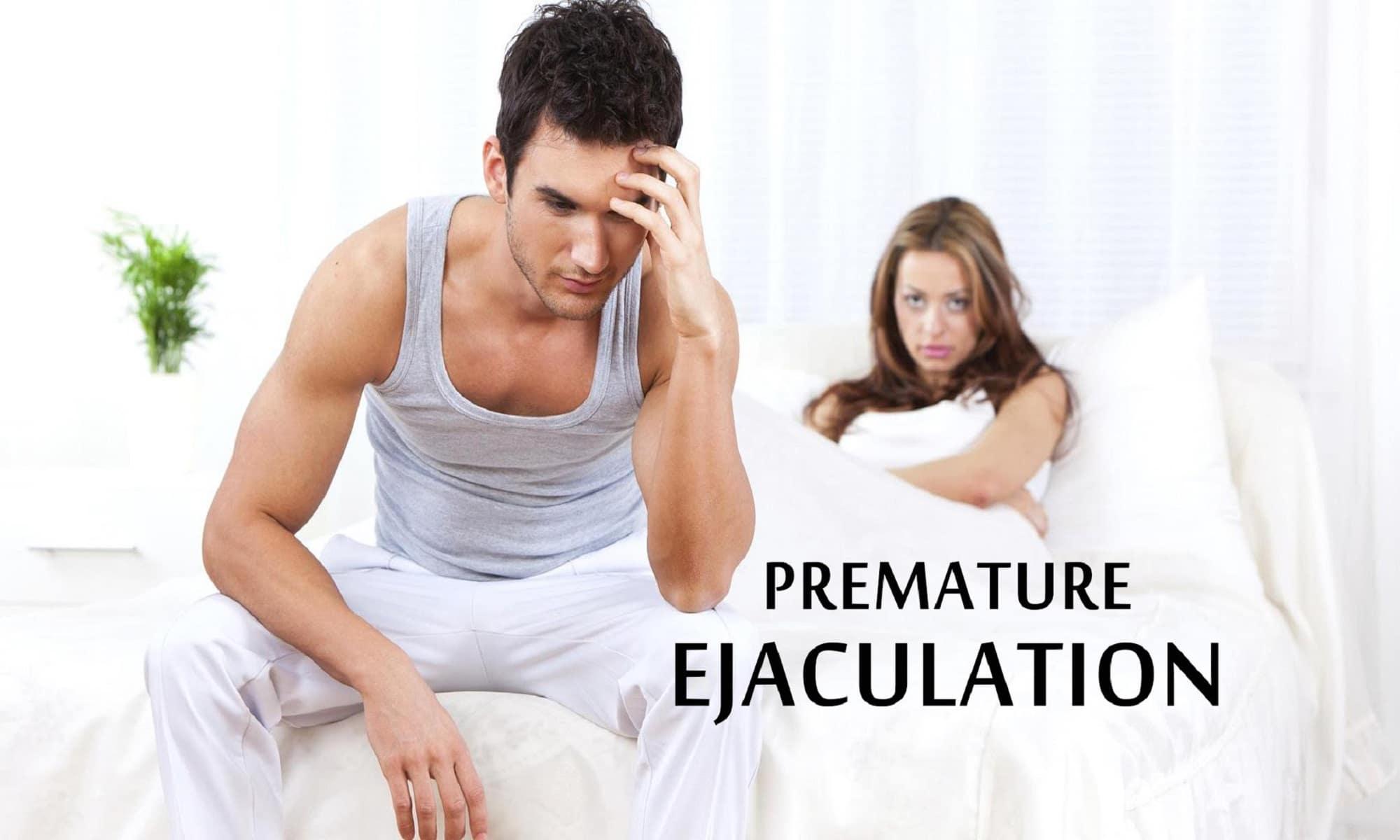
Premature ejaculation (PE) is one of the most common male sexual health concerns. It occurs when ejaculation happens sooner than desired during sexual activity, often with little control over ejaculation and associated distress or frustration. Although occasional early ejaculation is common and does not necessarily indicate a medical problem, persistent premature ejaculation can affect confidence, relationships, and overall quality of life.
The good news is that premature ejaculation is treatable. Depending on the underlying cause, treatment may include behavioral techniques, counseling, pelvic-floor exercises, topical medications, oral medicines, or a combination of approaches.
This comprehensive guide explains premature ejaculation, its symptoms, possible causes, risk factors, diagnosis, treatment options, lifestyle measures, and when to consult a qualified healthcare professional.
What Is Premature Ejaculation?
Premature ejaculation is a condition in which a man ejaculates sooner than he or his partner would like, accompanied by difficulty delaying ejaculation and personal distress.
Medical definitions generally focus on three important factors:
- Short ejaculation time
- Reduced ability to delay ejaculation
- Distress, frustration, or relationship difficulties caused by the problem
PE can occur during vaginal intercourse and may also be experienced during other forms of sexual activity.
It is important to understand that there is no single number of minutes that determines whether every man has premature ejaculation. Sexual satisfaction varies considerably between individuals and couples. A healthcare professional considers ejaculation timing along with control and distress when assessing the condition.
Types of Premature Ejaculation
Premature ejaculation is commonly divided into two broad categories.
1. Lifelong Premature Ejaculation
Lifelong PE generally begins from a man's earliest sexual experiences. Ejaculation tends to occur very quickly during sexual activity and the pattern persists over time.
Men with lifelong PE may have difficulty delaying ejaculation even when they are highly motivated to do so.
2. Acquired Premature Ejaculation
Acquired PE develops after a period of previously satisfactory sexual function.
Possible contributing factors include:
- Anxiety or stress
- Relationship difficulties
- Erectile dysfunction
- Prostate or urinary problems
- Hormonal abnormalities
- Certain medications
- Changes in sexual circumstances
- Psychological or emotional problems
Identifying what changed before the problem started can help a healthcare professional determine an appropriate treatment approach.
Symptoms of Premature Ejaculation
The symptoms can vary from person to person, but common signs include:
- Ejaculating earlier than desired
- Difficulty controlling ejaculation
- Repeatedly ejaculating shortly after penetration
- Feeling unable to delay ejaculation
- Anxiety or frustration during sexual activity
- Avoiding sexual intimacy
- Reduced sexual confidence
- Relationship tension related to sexual performance
Occasional early ejaculation does not necessarily mean that someone has PE. The problem becomes more clinically significant when it is persistent or recurrent and causes distress.
What Causes Premature Ejaculation?
Premature ejaculation usually does not have one single cause. It can result from a combination of psychological, behavioral, relationship, and biological factors.
Psychological Causes
Psychological factors can play an important role, particularly in acquired PE.
Performance Anxiety
Worrying about sexual performance can make it more difficult to remain relaxed during intimacy. A man may become focused on whether he will ejaculate too quickly, which can increase anxiety and make the problem worse.
Stress
Work pressure, financial concerns, family problems, and other forms of stress can interfere with sexual function and ejaculation control.
Depression
Depression can affect sexual desire, arousal, confidence, and overall sexual satisfaction.
Previous Sexual Experiences
Negative or stressful sexual experiences may contribute to learned patterns of rapid ejaculation.
Relationship Problems
Communication difficulties, unresolved conflict, lack of intimacy, or relationship stress can contribute to sexual difficulties.
Physical and Biological Causes
Premature ejaculation may also have biological contributors.
Potential factors include:
- Hormonal abnormalities
- Abnormal neurotransmitter activity
- Prostate inflammation or other prostate conditions
- Thyroid problems
- Erectile dysfunction
- Genital or pelvic sensitivity
- Certain neurological conditions
- Chronic pelvic pain
- Medication-related effects
Because several conditions can contribute to ejaculation problems, a medical evaluation may be useful when PE develops suddenly or is accompanied by other symptoms.
Premature Ejaculation and Erectile Dysfunction
Premature ejaculation and erectile dysfunction (ED) are different conditions, but they can occur together.
A man who worries about losing his erection may rush through sexual activity and unconsciously try to ejaculate before the erection disappears. This can contribute to a pattern of rapid ejaculation.
Conversely, repeated premature ejaculation can increase performance anxiety and potentially contribute to erection difficulties.
For this reason, healthcare professionals may assess both ejaculation and erectile function rather than treating either problem in isolation.
Does Masturbation Cause Premature Ejaculation?
Masturbation itself does not necessarily cause premature ejaculation.
However, habitual sexual patterns can sometimes influence ejaculation behavior. For example, consistently masturbating very quickly may reinforce a pattern of rushing toward orgasm.
Learning to slow down and recognize increasing levels of sexual arousal may help some men develop better awareness and control.
How Is Premature Ejaculation Diagnosed?
There is no single laboratory test that confirms PE.
A healthcare professional usually evaluates:
- How long ejaculation typically takes
- How frequently the problem occurs
- Whether ejaculation is difficult to delay
- Whether the problem has existed since the beginning of sexual activity or developed later
- Psychological and relationship factors
- Erectile function
- General health
- Medications and substance use
- Other sexual or urinary symptoms
Depending on the patient's symptoms and medical history, additional examination or testing may be recommended to identify an underlying condition.
Treatment for Premature Ejaculation
The best treatment depends on the cause, severity, duration, and individual circumstances.
Treatment may include one or more of the following approaches.
1. Behavioral Techniques
Behavioral techniques can help some men improve awareness and control of arousal.
Start-Stop Technique
The start-stop method involves stimulating the penis until ejaculation feels close, then stopping stimulation until the urge decreases. Stimulation can then be resumed.
Repeating this process may help some men become more familiar with their arousal levels.
Squeeze Technique
The squeeze technique involves temporarily stopping stimulation and gently squeezing the penis near the base of the glans when ejaculation feels imminent.
Because techniques can be performed incorrectly or may not work for everyone, professional guidance can be helpful.
2. Pelvic Floor Exercises
The pelvic floor muscles are involved in sexual function and ejaculation control.
Pelvic-floor exercises, commonly known as Kegel exercises, may help some men improve muscle awareness and control.
A basic approach is:
- Identify the pelvic-floor muscles.
- Contract them for several seconds.
- Relax completely.
- Repeat several times.
- Gradually build up repetitions over time.
It is important not to continuously tighten these muscles throughout the day. Excessive pelvic-floor tension may be counterproductive for some individuals.
A physiotherapist specializing in pelvic health can provide individualized instruction when necessary.
3. Counseling and Sex Therapy
Psychological counseling can be particularly useful when anxiety, stress, relationship difficulties, or performance concerns contribute to PE.
Sex therapy or psychological counseling may help with:
- Performance anxiety
- Sexual confidence
- Communication with a partner
- Relationship concerns
- Stress management
- Negative thoughts surrounding sexual performance
Counseling can also be combined with medical treatment.
4. Topical Numbing Treatments
Some topical products contain local anesthetic ingredients designed to temporarily reduce penile sensitivity.
They may include ingredients such as:
- Lidocaine
- Prilocaine
- Other local anesthetics
These products should be used according to medical or product instructions. Excessive use can cause unwanted numbness and may reduce sexual pleasure.
Some topical anesthetics can also transfer to a partner and cause genital numbness, so appropriate precautions may be necessary.
5. Prescription Oral Medications
Certain prescription medicines may help delay ejaculation.
Depending on the country and individual circumstances, healthcare professionals may consider medications that affect serotonin signaling or other pathways involved in ejaculation.
Some antidepressant medications, particularly certain selective serotonin reuptake inhibitors (SSRIs), have been used to delay ejaculation. A healthcare professional should determine whether such medication is appropriate.
Possible side effects can vary and may include:
- Nausea
- Dizziness
- Fatigue
- Changes in sexual desire
- Difficulty reaching orgasm
- Other medication-specific effects
Men should not start prescription medication without appropriate medical advice.
6. Treatment of Erectile Dysfunction
If premature ejaculation occurs alongside erectile dysfunction, treating ED may improve the overall sexual experience.
Treatment depends on the cause of ED and may include:
- Lifestyle changes
- Psychological support
- Prescription medications
- Management of underlying medical conditions
- Other physician-recommended treatments
Treating both problems together may be more effective than focusing only on ejaculation.
7. Addressing Underlying Medical Conditions
When PE develops suddenly, treatment may require addressing an underlying health problem.
Depending on the symptoms, a healthcare professional may evaluate issues such as:
- Prostate conditions
- Thyroid disorders
- Hormonal problems
- Erectile dysfunction
- Anxiety or depression
- Medication effects
- Chronic pelvic pain
Treating the underlying condition can sometimes improve ejaculation control.
Natural Ways to Improve Ejaculation Control
Lifestyle changes cannot guarantee a cure, but they can support sexual and general health.
Manage Stress
Regular physical activity, sufficient sleep, relaxation techniques, and healthy routines may help reduce stress and performance anxiety.
Exercise Regularly
Regular exercise supports cardiovascular health, mood, energy levels, and overall sexual wellbeing.
Maintain a Healthy Weight
A healthy weight can support metabolic and cardiovascular health, which are important for sexual function.
Limit Excessive Alcohol
Heavy alcohol consumption can negatively affect sexual function and overall health.
Avoid Tobacco
Smoking can contribute to vascular problems and erectile difficulties.
Communicate With Your Partner
Open communication can reduce pressure and help partners develop a more comfortable sexual experience.
Can Premature Ejaculation Be Cured Permanently?
Whether PE can be permanently eliminated depends on its cause.
Some men experience substantial and lasting improvement after addressing psychological factors, changing sexual habits, treating an underlying condition, or using an appropriate treatment plan.
Others may need ongoing management.
The goal is not simply to reach a particular number of minutes. A successful treatment plan should improve:
- Ejaculatory control
- Sexual satisfaction
- Confidence
- Relationship wellbeing
- Quality of life
How Long Does Treatment Take?
The timeline varies significantly.
Some men notice improvements relatively quickly with appropriate treatment, while others require several weeks or longer, particularly when behavioral techniques or counseling are involved.
Factors that influence improvement include:
- The cause of PE
- How long the problem has existed
- Presence of anxiety or relationship stress
- Erectile function
- General health
- Treatment method
- Consistency with behavioral strategies
Patience is important because sexual response patterns may take time to change.
When Should You See a Doctor?
You should consider speaking with a qualified healthcare professional if:
- Ejaculation is consistently earlier than you want
- You have difficulty controlling ejaculation
- The problem is causing significant distress
- PE is affecting your relationship
- You have developed PE suddenly
- You also have erectile difficulties
- You have pain during ejaculation or intercourse
- You have urinary or prostate-related symptoms
- Anxiety or depression is affecting your sexual life
A doctor can help determine whether the problem is primarily psychological, physical, medication-related, or a combination of factors.
Frequently Asked Questions About Premature Ejaculation
Is premature ejaculation common?
Yes. PE is one of the most common male sexual concerns. Many men experience occasional episodes of rapid ejaculation, while some experience persistent PE that requires evaluation and treatment.
What is considered premature ejaculation?
There is no universal time limit that applies to every sexual encounter. Clinicians consider ejaculation timing together with the ability to delay ejaculation and the level of distress it causes.
Can stress cause premature ejaculation?
Yes. Stress and performance anxiety can contribute to or worsen PE, particularly when a man becomes increasingly worried about ejaculating too quickly.
Can premature ejaculation be treated?
Yes. Several treatment approaches are available, including behavioral techniques, pelvic-floor exercises, counseling, topical anesthetics, prescription medications, and treatment of underlying conditions.
Does premature ejaculation mean something is medically wrong?
Not necessarily. PE can occur because of psychological, behavioral, relationship, or biological factors. However, persistent or newly developed PE may warrant medical evaluation.
Can Kegel exercises help premature ejaculation?
Pelvic-floor exercises may help some men improve awareness and control, but they are not a guaranteed treatment for everyone.
Does erectile dysfunction cause premature ejaculation?
ED and PE are separate conditions, but they can occur together. Anxiety about maintaining an erection can contribute to rapid ejaculation in some men.
Is premature ejaculation a sign of infertility?
No. Premature ejaculation does not automatically mean that a man is infertile. Fertility and ejaculation timing are different issues.
Can premature ejaculation affect a relationship?
It can. Persistent PE may contribute to frustration, reduced intimacy, anxiety, or misunderstandings between partners. Open communication and appropriate treatment can help.
Final Thoughts
Premature ejaculation is a common and treatable sexual health concern. It can result from psychological factors, sexual habits, relationship stress, erectile dysfunction, or physical and biological conditions. Importantly, experiencing occasional rapid ejaculation does not necessarily mean that you have a medical disorder.
When the problem happens repeatedly and causes distress, professional evaluation can help identify the underlying factors and determine an appropriate treatment plan.
If premature ejaculation is affecting your confidence, sexual relationship, or quality of life, speaking with a qualified sexual-health or urology professional is a positive first step. With the right approach, many men can improve ejaculation control and achieve a more satisfying sexual experience.

 Arabic
 French
 Spanish
 Portuguese
 Deutsch
 Turkish
 Dutch
Dutch
 Italiano
 Russian
 Romaian
 Portuguese (Brazil)
 Greek
Greek