


Exploring Material Behavior and Design in Metal Manufacturing
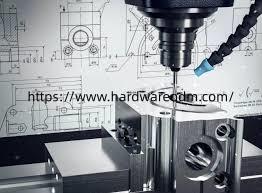
Developing a functional metal component involves more than shaping raw material into a desired outline. In Stamping Machining, the interaction between tooling, material deformation, secondary processing, and assembly requirements determines how effectively the finished part performs its role. Components used in equipment housings, furniture hardware, mechanical supports, and industrial accessories may need to combine formed contours with carefully prepared openings, connection surfaces, or fastening features. Coordinating these requirements from the beginning can help manufacturers create parts that are practical to produce and integrate.
Material behavior is an important starting point. Different metals respond differently when subjected to pressure, bending, cutting, and repeated forming operations. Steel is commonly considered for structural hardware, while stainless steel may be selected when resistance to corrosion is important. Aluminum can be useful when reducing component weight is a priority, and copper-based materials may suit applications involving electrical conductivity. The selected material should also be compatible with the intended finish and the conditions the completed product will encounter.
The way a material deforms during forming can influence the final geometry. Bending may introduce springback, while complex shapes can create localized stress or uneven material flow. These effects depend on the material, its condition, the geometry, and the tooling arrangement. Designers should therefore avoid treating the initial drawing as the only consideration. Reviewing the intended forming sequence with the manufacturer can reveal opportunities to adjust corners, transitions, openings, or contact areas before tooling is finalized.
Tooling design helps translate a component concept into a repeatable manufacturing process. A stamping die must guide the material through the required operations while supporting the intended shape and allowing the part to be released. Poorly coordinated tooling can contribute to distortion, unwanted marks, difficult part removal, or inconsistent forming. Tool design should account for material behavior, the order of operations, and the features that need to remain accessible during production. Early technical discussion can help resolve these issues before they become costly changes.
Purchasing teams should evaluate a supplier's development process as carefully as its production capabilities. Useful questions include how drawings are reviewed, how samples are approved, how tooling changes are communicated, and how the finished parts are checked. Buyers should also clarify which features are essential for assembly and which are primarily visual. Sharing an actual sample or a complete assembly drawing can provide context that a part drawing alone may not communicate, especially when the component must fit around other hardware or connect with a moving mechanism.
Secondary machining can refine features that are difficult to complete during stamping. Cutting, drilling, milling, tapping, or edge preparation may be required to create interfaces for fasteners and neighboring components. The sequence matters because forming can affect the shape or location of certain features. Manufacturers need to determine when each operation should take place and how the part will be held during processing. A coordinated workflow can reduce unnecessary repositioning and help preserve the relationship between formed surfaces and machined details.
Yongkang Ruizan Industry and Trade Co., Ltd. provides metal stamping, mold design, forming, and related processing services for customized metal products. Its manufacturing work also covers pipe processing and welding for suitable applications. For a project involving formed and machined components, buyers can share drawings, samples, material preferences, and assembly information to support an initial review. This allows the manufacturing team to consider how tooling, forming, secondary operations, and finishing may work together for the intended product.
Inspection should be planned around the component's real function. A mounting bracket, for example, may depend on the relationship between its fastening openings and contact surfaces, while a visible hardware piece may place greater emphasis on edge quality and finish consistency. Inspection methods should reflect these differences. Reviewing the part at relevant stages can help identify forming defects, machining issues, or surface damage before the component moves into final assembly. Clear acceptance criteria also make communication between suppliers and buyers more efficient.
The assembly experience can reveal design issues that are not obvious when a part is examined on its own. Difficult access to fasteners, sharp edges, awkward positioning, or interference with neighboring parts can slow installation and complicate maintenance. Designers should consider how a technician will hold, orient, connect, and remove the component. Features that simplify assembly may include accessible fastening points, clearly defined contact surfaces, and shapes that naturally align with the surrounding structure. These details can improve practicality without making the part unnecessarily complicated.
Surface finishing has both functional and visual consequences. Deburring can improve edge handling, while painting, plating, polishing, or other suitable treatments can alter appearance and help address environmental exposure. The finish must be compatible with the base material and the component's intended use. For example, a coating may affect how two parts fit together or whether an electrical connection can be made directly through a surface. Considering finishing requirements during design helps prevent conflicts between appearance, assembly, and performance.
The overall shape of a custom metal component should reflect its place within the finished product. Curved edges, formed ribs, folded sections, and recessed features may contribute to structural behavior while creating a particular visual profile. A component hidden inside a machine may prioritize compactness and service access, whereas an exposed hardware part may need a more consistent visible finish. These requirements can be addressed together when the designer and manufacturer discuss the product's use, appearance, and production method before the tooling is completed.
For businesses developing custom metal hardware, structural accessories, and formed components, Yongkang Ruizan Industry and Trade Co., Ltd. offers services covering tooling development, stamping, forming, and related manufacturing processes. Buyers can review the company's capabilities and discuss drawings, sample parts, material selection, machining needs, and surface treatment when planning a project. Further product information is available at https://www.hardwareodm.com/product

 English
 Arabic
 French
 Spanish
 Portuguese
 Deutsch
 Turkish
 Dutch
Dutch
 Italiano
 Russian
 Romaian
 Greek
Greek