


Material Quality and Manufacturing Control in Circuit Breaker Sourcing
Choosing a suitable electrical protection partner requires buyers to look beyond product availability and consider how manufacturing quality, technical support, and supply coordination work together. When evaluating a Molded Case Circuit Breaker Supplier, purchasing teams should examine the relationship between product construction, documented performance, application suitability, and service arrangements. This broader approach helps establish whether a supplier can support the practical requirements of an electrical project rather than simply provide a product that appears suitable in a catalogue.
Material management is an important part of this assessment. The insulating enclosure must provide appropriate electrical separation and structural support, while conductive contacts and internal mechanical parts have different functional demands. Buyers should ask how material selection relates to the intended application and how changes in materials are controlled. Consistent sourcing and appropriate inspection procedures can help reduce unwanted variation between production batches. For products used in electrical installations, material suitability should be supported by relevant technical documentation rather than assumptions based on appearance.
Manufacturing quality also depends on how individual production stages are coordinated. Molding, metal component preparation, mechanism assembly, and final inspection each contribute to the finished device. A supplier with an organized production process should be able to explain how products move through these stages and how potential defects are identified. Buyers may also review available quality management information, inspection records, and product verification documents. Such evidence provides a more meaningful basis for comparison than broad statements about quality alone.
Product selection should begin with the electrical system in which the breaker will operate. Buyers need to communicate the application, connected equipment, installation arrangement, expected operating conditions, and applicable local requirements. Qualified electrical professionals can then assess whether the proposed device is appropriate for the system. Compatibility with associated protection equipment and the distribution assembly should also be reviewed. Clear technical communication at the beginning of a project can help prevent misunderstandings that might otherwise emerge during installation or approval.
Documentation is another useful way to distinguish suppliers. Product drawings, installation instructions, maintenance guidance, certification information, and other applicable technical records help purchasers understand what they are buying. Documents should correspond to the specific product being considered and the market in which it will be installed. If a project requires particular approvals or supporting evidence, these needs should be discussed before an order is confirmed. A supplier that communicates documentation requirements clearly can make coordination easier for distributors, contractors, and equipment manufacturers.
The technical design of a circuit breaker influences how it responds to electrical faults and interacts with the wider distribution system. Internal contacts, operating mechanisms, insulation structures, and arc-control arrangements must function as a coordinated assembly. Buyers do not need to assess these elements independently of qualified engineers, but they should understand the intended protective role of the product. Relevant technical information and appropriate verification help establish whether the device aligns with the system design. Final selection and installation should follow applicable standards and professional electrical guidance.
Procurement experience also depends on communication and order coordination. Changes to drawings, packaging requirements, delivery arrangements, or documentation can affect several parts of a project. Buyers benefit when responsibilities are clear and updates are communicated consistently. It is helpful to establish how product questions will be handled, who confirms technical details, and how any proposed changes will be approved. For overseas orders, packaging, labeling, shipping documentation, and communication across different working practices can be particularly relevant to an orderly purchasing process.
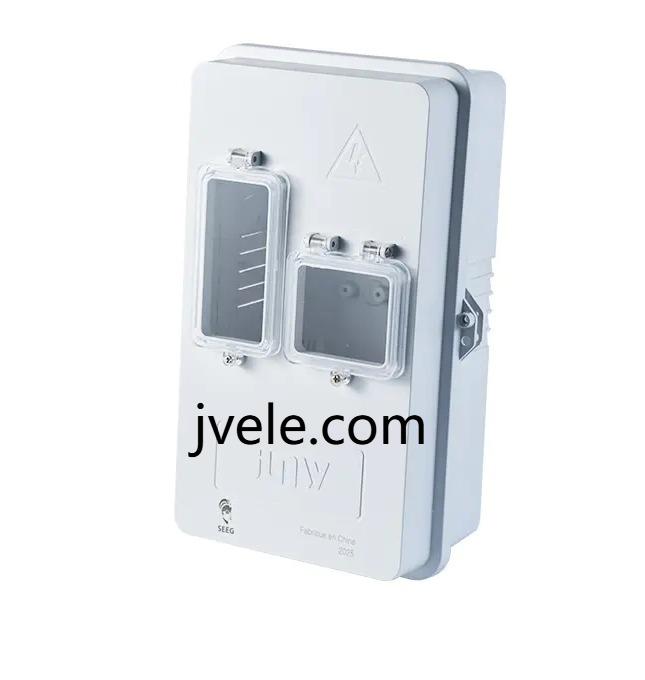
Zhejiang Junwei Electric Co., Ltd. focuses on the research, development, and manufacturing of electrical products, including circuit breakers, meter boxes, and fuses. Its official company information describes production and quality inspection activities, along with technical development and support for overseas customers. Businesses evaluating the company can use these areas as starting points for discussing product suitability, available documentation, manufacturing arrangements, and service expectations. Reviewing the details of a specific product remains essential because requirements may differ across applications and markets.
User experience extends beyond operating the device itself. Installers benefit from understandable product identification, clear documentation, and connection arrangements that suit the intended electrical assembly. Maintenance teams need access to appropriate instructions and a clear process for obtaining product support. Distributors may place greater importance on consistent product information, packaging, and communication throughout the order cycle. Considering these different users helps buyers evaluate the overall supply experience instead of focusing exclusively on the initial purchase.
Product appearance and packaging can also influence procurement and installation. A well-finished enclosure and clearly organized operating features can support a professional appearance within a distribution panel. Consistent labeling helps identify products, while suitable packaging can protect them during storage and transportation. These features should complement, rather than replace, technical verification. Buyers can discuss appearance, labeling, and packaging preferences alongside the essential product requirements so that the final arrangement supports both practical handling and project presentation.
For distributors, contractors, and equipment manufacturers, supplier evaluation is an ongoing process involving product documentation, manufacturing practices, communication, and service coordination. Zhejiang Junwei Electric Co., Ltd. provides further information about its electrical products and manufacturing activities through its official website: https://www.jvele.com/

 English
 Arabic
 French
 Spanish
 Portuguese
 Deutsch
 Turkish
 Dutch
 Italiano
 Russian
 Portuguese (Brazil)
 Greek