


How to Build a Successful Perfume Collection for Your Retail Store
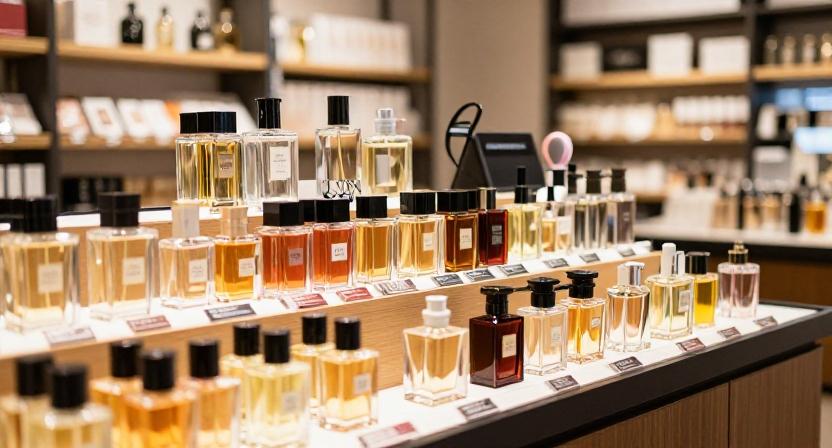
Building a successful perfume collection is an important step toward attracting customers and growing a retail business. With countless fragrance options available, retailers need a thoughtful strategy to select products that match customer preferences, market demand, and business goals. A well organized collection can improve the shopping experience, encourage repeat purchases, and help a store stand out in a competitive fragrance market.
1. Understand Your Target Audience
Before selecting perfumes for your store, identify the customers you want to serve. Different shoppers have different fragrance preferences, budgets, and purchasing habits. Some prefer fresh and citrusy scents for daily wear, while others enjoy floral, woody, spicy, or sweet fragrances for special occasions.
Researching customer preferences can help you choose products that appeal to your audience. Review previous sales, gather customer feedback, and observe which fragrance categories attract the most interest. Understanding your market allows you to invest in products with a stronger potential for sales.
2. Offer a Balanced Variety of Fragrances
A successful perfume collection should provide enough variety to meet different customer needs. Consider stocking fragrances from several scent families, including fresh, floral, woody, oriental, and gourmand compositions.
You can also offer different fragrance concentrations and sizes to accommodate varying budgets and preferences. A diverse collection gives customers more opportunities to discover scents that suit their lifestyles.
However, variety should not come at the expense of inventory management. Start with a manageable selection and expand according to actual demand. This approach helps prevent excessive stock while allowing you to identify popular products over time.
3. Choose Reliable Wholesale Suppliers
Finding dependable wholesale suppliers is essential when building a retail perfume collection. A suitable supplier should provide clear product information, transparent pricing, reliable communication, and consistent ordering procedures.
Before purchasing in bulk, verify the authenticity of branded fragrances and request appropriate documentation where available. Compare minimum order quantities, shipping costs, return policies, and delivery timelines to understand the overall value of each supplier.
Working with reliable wholesale partners can help retailers maintain product quality and reduce sourcing risks. Careful supplier selection also supports a smoother purchasing process as your business grows.
4. Balance Quality and Profitability
Pricing plays an important role in creating a successful perfume collection. Retailers should calculate the complete cost of each product, including wholesale prices, shipping, taxes, packaging, and other operating expenses.
Choose products that offer a suitable balance between quality, customer demand, and potential profit margins. Avoid selecting fragrances based solely on low purchase prices, as authenticity and customer satisfaction are equally important.
Offering products at different price points can also help attract a broader audience while supporting your store's financial goals.
5. Keep Up with Fragrance Trends
Fragrance trends change as customer preferences, seasons, and popular culture evolve. Monitoring market trends can help retailers discover new opportunities and keep their collections relevant.
Consider introducing distinctive products alongside established customer favorites. For example, retailers exploring Chance Chanel Wholesale may research its availability, authenticity, pricing, and suitability for their target market before making a purchasing decision.
Testing new fragrances in smaller quantities can help you measure customer interest without committing too much capital to unproven products.
6. Organize and Review Your Inventory
Effective inventory management helps prevent stock shortages and unnecessary overstocking. Keep accurate records of purchases, sales, and remaining quantities. Regularly review which fragrances sell quickly and which products require more time to move.
Store perfumes away from direct sunlight and excessive heat to help preserve their quality. An organized display also makes it easier for customers to explore different scents and compare options.
Conclusion
Building a successful perfume collection requires careful planning, reliable sourcing, and a strong understanding of customer preferences. By offering diverse fragrances, managing costs, monitoring trends, and maintaining organized inventory, retailers can create a collection that appeals to their target audience. Consistent evaluation and thoughtful purchasing decisions will help your store develop a stronger fragrance selection and support long term business growth.

 English
 Arabic
 French
 Spanish
 Portuguese
 Deutsch
 Turkish
 Dutch
Dutch
 Italiano
 Russian
 Portuguese (Brazil)
 Greek
Greek