


Abdominoplasty Dubai: How Are Abdominal Muscles Assessed During Consultation?
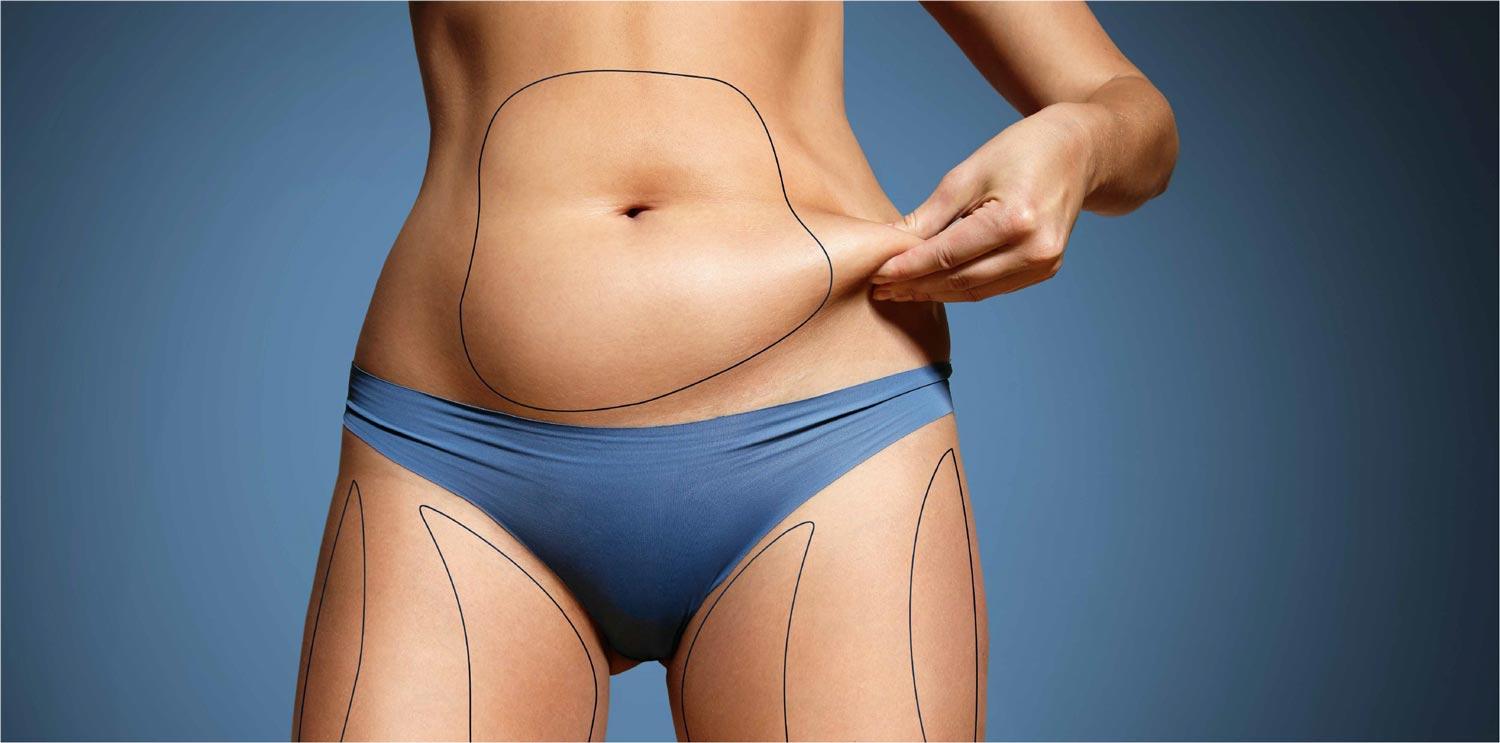
Abdominal contouring involves more than examining excess skin or stubborn fat around the waist. The abdominal muscles and the connective tissue that supports them also contribute to the shape, firmness, and overall appearance of the abdomen. For individuals considering tummy tuck surgery, understanding how these structures are assessed during consultation is an important part of developing a personalised treatment plan.
During an Abdominoplasty Dubai consultation, the surgeon evaluates the abdominal wall, considers the patient's medical and weight history, and identifies the factors contributing to the current abdominal contour. This assessment helps distinguish between loose skin, excess fat, and muscle separation, allowing the proposed procedure to reflect the individual's anatomy and aesthetic goals.
Dr. Shahram Sajjadi considers the patient's abdominal characteristics and desired outcome when discussing suitable treatment options. A thorough consultation provides an opportunity to understand the condition of the abdominal muscles, explore potential approaches, and establish realistic expectations before proceeding with surgery.
Why Are Abdominal Muscles Assessed Before Abdominoplasty?
The abdominal muscles play an important role in supporting the trunk, maintaining posture, and contributing to the appearance of the midsection. The rectus abdominis muscles, commonly associated with the appearance of a flat abdomen, extend vertically along the front of the abdominal wall. Connective tissue known as the linea alba runs between them, helping maintain the structure of the midline.
Over time, pregnancy, changes in body weight, and natural tissue stretching can affect the abdominal wall. In some individuals, the muscles may become separated, a condition known as rectus diastasis. Others may primarily have loose skin or excess fat without significant muscle separation.
These differences matter when planning abdominoplasty because removing excess skin alone does not address every cause of abdominal protrusion. By assessing the muscles and surrounding tissues, the surgeon can better understand the source of the patient's concerns.
The purpose of this examination is to develop a treatment plan based on the patient's actual anatomy rather than assuming that every abdominal contour concern requires the same surgical approach.
How the Surgeon Evaluates Abdominal Muscle Condition
The assessment generally begins with a review of the patient's concerns and a physical examination of the abdomen. The surgeon looks at the abdominal wall at rest and may ask the patient to change position or gently activate the abdominal muscles to understand how the area behaves during movement.
Several characteristics may be considered, including the firmness of the abdominal wall, the appearance of the midline, the presence of a central bulge, and the relationship between the muscles and surrounding soft tissues.
The surgeon may also assess the abdomen from different angles to understand how the upper and lower sections contribute to the overall body contour. This helps establish whether the patient's concerns are concentrated in one area or involve the entire abdominal region.
The examination is interpreted alongside the patient's history and goals. Muscle appearance alone does not determine the treatment plan; the surgeon must also consider skin quality, fat distribution, body proportions, and the patient's general circumstances.
Understanding Rectus Diastasis During Consultation
Rectus diastasis refers to a widening of the connective tissue between the two rectus abdominis muscles. It is commonly associated with pregnancy, although it can also occur following substantial changes in abdominal size or other factors that place pressure on the abdominal wall.
People with rectus diastasis may notice a rounded abdominal profile or a ridge that becomes more visible when they sit up or engage their abdominal muscles. Some individuals experience changes in core stability, while others are mainly concerned about the appearance of their abdomen.
During consultation, the surgeon examines the midline and considers whether muscle separation may contribute to the patient's abdominal contour. The assessment may include examining the area above the navel, around the navel, and below it because the degree of separation can vary across these regions.
The width of the separation is only one part of the assessment. The condition of the connective tissue, the appearance of the abdominal wall during movement, and the patient's individual concerns also help inform the discussion.
If more precise measurements are needed, the surgeon may consider additional assessment methods, such as ultrasound imaging. The decision depends on the clinical findings and the information required to plan treatment appropriately.
How Pregnancy and Weight Changes Influence Muscle Assessment
Pregnancy can stretch the abdominal wall as the body adapts to accommodate a growing baby. Following childbirth, the skin, connective tissue, and muscles may gradually change, although the extent of recovery varies between individuals.
Patients who have experienced one or more pregnancies may therefore have different abdominal characteristics from those who have never been pregnant. Some may have loose skin without substantial muscle separation, while others may have a combination of skin laxity and rectus diastasis.
Weight fluctuations can also influence the abdominal area. Significant weight gain may change the distribution of fat around the midsection, while substantial weight loss can leave excess skin that does not retract fully. These changes may occur alongside variations in abdominal wall support.
During consultation, the surgeon considers the patient's history of pregnancy and weight changes to understand how the current abdominal shape developed. This information helps distinguish between concerns related primarily to skin and fat and those that may involve the underlying muscles.
Patients should also discuss any future pregnancy plans or anticipated major weight changes, as these factors may influence the timing of elective abdominal contouring.
Distinguishing Muscle Separation From Excess Abdominal Fat
A prominent abdomen does not necessarily indicate weak muscles or muscle separation. In some cases, the main contributing factor is excess fat beneath the skin. In others, the abdominal profile may reflect loose skin, changes in the abdominal wall, or a combination of these features.
During assessment, the surgeon considers the location and distribution of fat, the amount of loose skin, and the underlying abdominal structure. This helps establish which features may be addressed through abdominoplasty and which may require a different approach.
It is also important to distinguish fat stored beneath the skin from visceral fat, which lies deeper within the abdominal cavity around internal organs. Abdominoplasty is designed primarily to address excess skin and selected abdominal contour concerns; it is not a weight-loss procedure and does not directly remove visceral fat.
Understanding these distinctions helps patients develop realistic expectations. Rather than focusing only on the size of the abdomen, the consultation examines the different anatomical factors that contribute to its appearance.
Assessing Muscle Tone and Abdominal Wall Support
Muscle tone and abdominal wall support are also relevant to treatment planning. The surgeon may observe how the abdomen changes when the patient stands, lies down, or gently contracts the abdominal muscles.
These observations provide information about the abdominal wall's appearance and how its structures contribute to the overall contour. The surgeon may also ask about exercise habits, core strength, and whether the patient has noticed changes in movement or everyday activities.
It is important to recognise that a physical examination during consultation is not the same as a comprehensive fitness assessment. The purpose is to understand the anatomy relevant to the proposed procedure and identify whether further evaluation would be useful.
The findings are considered alongside the patient's skin condition, fat distribution, and treatment preferences. This broader approach helps the surgeon determine whether muscle tightening may form part of the proposed abdominoplasty or whether a different treatment plan should be discussed.
When Is Abdominal Muscle Tightening Considered?
Muscle tightening, often called muscle repair or plication, may be considered when the assessment identifies suitable cases of rectus diastasis or abdominal wall laxity. During this procedure, the surgeon brings the separated supporting tissues closer together using sutures to improve the structure of the abdominal wall.
When combined with abdominoplasty, muscle repair may contribute to a firmer abdominal profile and a more defined midsection. However, it is not automatically required for every patient seeking a tummy tuck.
The decision depends on the degree and location of muscle separation, the condition of the supporting tissue, the patient's anatomy, and the intended outcome. A patient whose main concern is excess lower abdominal skin may have different treatment requirements from someone with both skin laxity and pronounced muscle separation.
The surgeon explains whether muscle repair is appropriate and how it relates to the overall procedure. This discussion helps patients understand the purpose of each proposed element rather than viewing abdominoplasty as a single standardised operation.
How Skin Quality and Muscle Condition Work Together
Although the abdominal muscles are important, they are only one part of the overall assessment. Skin quality and the amount of excess tissue also influence the shape of the abdomen.
Skin that has stretched significantly may not retract enough to produce the desired contour, even when the underlying muscles are relatively well supported. Conversely, muscle separation may contribute to a rounded appearance despite the presence of relatively little excess skin.
The surgeon therefore examines how the skin, fat, and abdominal wall interact. Particular attention may be given to the upper abdomen, lower abdomen, waistline, and area around the navel.
This combined assessment helps determine the extent of skin removal that may be appropriate and whether muscle repair should be considered. It also supports a more balanced approach to body contouring, with the aim of achieving a result that suits the patient's proportions.
Creating a Personalised Abdominoplasty Plan With Dr. Shahram Sajjadi
Following the examination, the surgeon combines the clinical findings with the patient's priorities to discuss an appropriate treatment plan. The consultation should explain which abdominal features are contributing to the concerns, what the proposed procedure is intended to address, and what changes may reasonably be expected.
For patients researching Best abdominoplasty Dubai, it is useful to look beyond general descriptions of tummy tuck surgery and understand how the consultation is tailored to individual anatomy. The assessment of muscle separation, skin laxity, and fat distribution can help clarify why different patients may require different surgical approaches.
Dr. Shahram Sajjadi can discuss the findings of the abdominal examination, the potential role of muscle repair, and the options available for addressing excess skin. Patients can also raise questions about the intended contour, the placement of the incision, and how their existing body proportions influence planning.
A personalised plan should be based on a clear clinical assessment and an open discussion of expectations. Taking time to understand the abdominal muscles before surgery helps ensure that treatment recommendations address the patient's specific concerns.
Preparing for an Abdominoplasty Consultation in Dubai
Preparing for the appointment can make the consultation more informative. Patients may find it helpful to consider when their abdominal shape changed, whether these changes followed pregnancy or weight fluctuations, and which areas concern them most.
It is also useful to provide an accurate medical and surgical history, including previous abdominal operations and any known abdominal wall conditions. Patients should mention whether they have noticed a central bulge, changes in core strength, or differences in abdominal appearance during movement.
Before the appointment, consider writing down questions about muscle tightening, skin removal, the expected contour, and the factors that influence the recommended approach. These questions can help ensure that the discussion covers both the aesthetic goals and the anatomical findings.
The consultation is an opportunity to understand the procedure before making a decision. Patients should feel comfortable discussing their priorities and asking for clarification whenever a recommendation is unclear.
Conclusion
Assessing the abdominal muscles is an important part of abdominoplasty planning because it helps the surgeon understand whether muscle separation or changes in abdominal wall support contribute to the patient's concerns. The examination also considers skin quality, fat distribution, body proportions, and the patient's medical and weight history.
For individuals considering Abdominoplasty Dubai, a detailed consultation can clarify whether the proposed treatment should focus on excess skin, abdominal contouring, muscle tightening, or a combination of these approaches. The findings help establish a plan that reflects the individual's anatomy rather than relying on a standard procedure for every patient.
Dr. Shahram Sajjadi can evaluate the abdominal area, discuss the role of the underlying muscles, and explain suitable options according to the patient's goals. Understanding these factors before surgery allows patients to make more informed decisions about their abdominal contouring journey.
Frequently Asked Questions
1. Why are abdominal muscles examined before abdominoplasty?
The examination helps identify whether muscle separation or abdominal wall laxity contributes to the appearance of the abdomen. This information helps the surgeon determine whether muscle tightening should be considered alongside skin removal.
2. What is rectus diastasis?
Rectus diastasis is a widening of the connective tissue between the two rectus abdominis muscles. It may contribute to a central abdominal bulge and can develop following pregnancy or other changes that stretch the abdominal wall.
3. How does a surgeon check for abdominal muscle separation?
The surgeon typically examines the abdominal wall and may ask the patient to gently contract the muscles. The midline is assessed at different levels, and additional measurements or imaging may be considered when clinically appropriate.
4. Does every tummy tuck include muscle tightening?
No. Muscle tightening is considered when the patient's anatomy and treatment goals support its inclusion. Some patients primarily need excess skin removal, while others may benefit from addressing muscle separation as part of the procedure.
5. Can pregnancy affect abdominal muscle assessment?
Yes. Pregnancy can stretch the abdominal wall and contribute to rectus diastasis. The surgeon considers the patient's pregnancy history, current abdominal structure, and future plans when discussing suitable treatment options.
6. Is abdominal protrusion always caused by separated muscles?
No. Abdominal protrusion can result from several factors, including excess fat, loose skin, visceral fat, and changes in the abdominal wall. A clinical examination helps distinguish between these possible contributors.
7. Can ultrasound be used to assess abdominal muscles?
Yes. Ultrasound can help measure the separation between the rectus muscles and provide additional information about the abdominal wall when needed. Whether imaging is appropriate depends on the findings of the initial assessment.
8. Does muscle tightening help create a flatter abdominal appearance?
In selected patients, bringing separated supporting tissues closer together may improve abdominal contour. The likely outcome depends on the individual's anatomy and the overall treatment plan, including the management of excess skin and fat.
9. What should I tell the surgeon during an abdominoplasty consultation?
Discuss previous pregnancies, significant weight changes, abdominal operations, current concerns, and any changes in abdominal shape or core function. Sharing this information helps the surgeon understand your circumstances and assess suitable treatment options.
10. How do I choose the right abdominoplasty surgeon in Dubai?
Look for a suitably qualified plastic surgeon with relevant experience in abdominoplasty and abdominal wall assessment. During consultation, ask how your muscles and skin will be evaluated, whether muscle repair is appropriate, and how the proposed treatment relates to your goals.
11. Does the condition of my abdominal muscles affect abdominoplasty planning?
Yes. The location and extent of muscle separation, the condition of the connective tissue, and the overall abdominal wall structure may influence the proposed surgical approach. The surgeon evaluates these factors alongside skin laxity and fat distribution.
12. What should I expect during an abdominoplasty consultation with Dr. Shahram Sajjadi?
The consultation provides an opportunity to discuss your goals, review your medical and surgical history, and examine your abdominal structure. Dr. Shahram Sajjadi can explain the findings, discuss suitable treatment options, and help establish realistic expectations for your individual treatment plan.

 English
 Arabic
 French
 Spanish
 Deutsch
 Turkish
 Dutch
Dutch
 Italiano
 Russian
 Romaian
 Portuguese (Brazil)
 Greek
Greek