


What Is Revision Blepharoplasty and When Is It Considered?
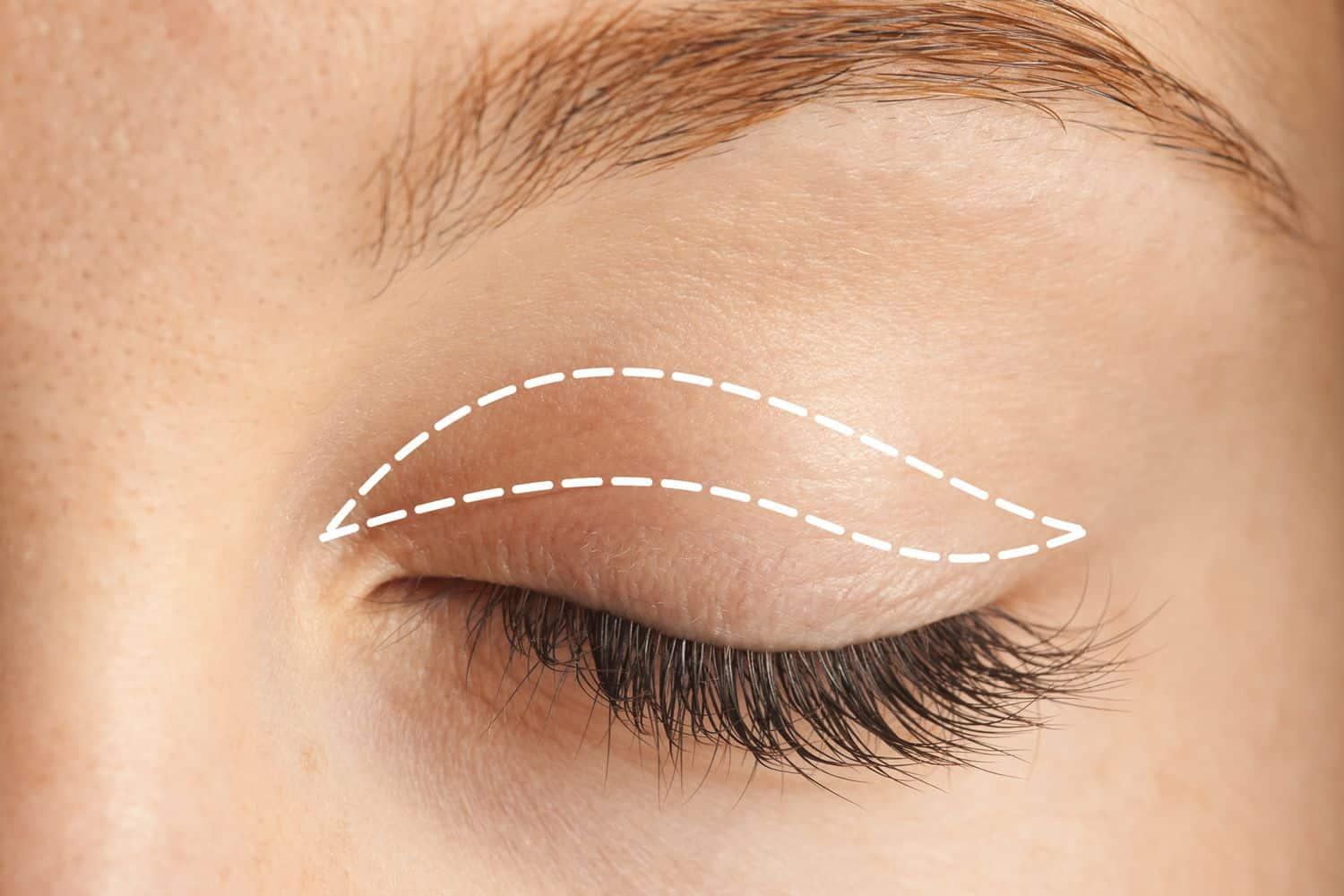
Eyelid surgery can help address excess skin, under-eye bags, and certain changes that affect the appearance or function of the eyes. But what happens when the results are not what you expected, or a concern remains after the initial procedure? In some cases, a second operation called revision blepharoplasty may be considered.
Revision surgery requires careful evaluation because the eyelids have delicate skin and play an important role in protecting the eyes. If you are researching Eyelid Surgery in Islamabad, understanding when revision blepharoplasty may be appropriate can help you make informed decisions about your options.
What Is Revision Blepharoplasty?
Revision blepharoplasty is a secondary surgical procedure performed to address a concern following an earlier eyelid operation. It may involve correcting an eyelid contour, addressing persistent excess skin, improving asymmetry, or treating certain complications from the original surgery.
The procedure can involve the upper eyelids, lower eyelids, or both, depending on the issue. The aim is to improve the existing result while preserving eyelid function and eye protection.
Revision surgery is often more complex than a first-time blepharoplasty. Previous incisions, scar tissue, and changes to the underlying tissues can limit the available options, so careful planning is essential.
Why Might Someone Consider Revision Eyelid Surgery?
People consider revision blepharoplasty for different reasons. Sometimes the original procedure has healed but left an uneven contour; in other cases, a functional concern develops or becomes more noticeable after surgery.
The appropriate response depends on the cause of the problem, its severity, and how long it has been since the initial operation. Not every disappointing early result requires another surgery, because swelling and scar maturation can temporarily affect the appearance of the eyelids.
A qualified surgeon should examine the eyelids and explain whether the concern is likely to improve naturally, needs non-surgical management, or may benefit from revision.
Common Reasons Revision Blepharoplasty Is Considered
Persistent or Excess Skin
After upper eyelid surgery, some patients may still notice loose skin or a heavy appearance. This can happen because the original procedure was conservative, the underlying anatomy was complex, or brow position contributes to the remaining concern.
Further skin removal is not always the safest solution. Removing too much skin can make it difficult to close the eyes fully and may lead to dryness or irritation, so the surgeon must assess the eyelids carefully before recommending another procedure.
Uneven Eyelids or Asymmetry
It is normal for human faces to have some natural asymmetry. However, if one eyelid looks noticeably different from the other after healing, a patient may seek an assessment.
The difference could relate to swelling, scar tissue, skin removal, muscle function, or an underlying condition that was not corrected during the first operation. Identifying the cause of asymmetry is more important than simply trying to make both sides look identical.
Hollow or Unnatural-Looking Under-Eyes
Lower blepharoplasty sometimes involves removing fat to reduce prominent under-eye bags. If too much fat is removed, the area may appear hollow or create a sharper transition between the lower eyelid and cheek.
In selected cases, revision surgery may involve repositioning tissue or considering other ways to restore a smoother contour. The appropriate approach depends on the remaining tissue and the patient's anatomy, and improvement cannot be guaranteed.
Eyelid Retraction or Difficulty Closing the Eyes
Some patients develop a change in eyelid position after surgery. The lower eyelid may sit too low, or the upper eyelid may not close comfortably, potentially causing dryness, irritation, or excessive tearing.
These problems require careful assessment, particularly when the eye surface is exposed. Functional concerns should take priority over cosmetic goals, and significant discomfort or difficulty closing the eyes should be discussed promptly with an eye specialist or qualified surgeon.
When Is Revision Blepharoplasty Usually Considered?
Timing is an important part of revision planning. During the first few weeks after surgery, swelling, bruising, and tissue tightness can make the result look uneven or different from the expected outcome.
For non-urgent cosmetic concerns, surgeons often recommend waiting several months for healing and scar maturation. In some cases, assessment for revision may be delayed for around six months or longer, depending on the problem and the original procedure.
There is no single waiting period suitable for every patient. Functional problems, significant pain, wound concerns, or symptoms affecting vision may require earlier medical evaluation rather than waiting for cosmetic healing to finish.
Who May Be a Candidate for Revision Blepharoplasty?
Suitability depends on the condition of the eyelids, the reason for revision, general health, and expectations. A surgeon will usually review the original procedure, examine the eyelids, and assess how the tissues have healed.
An assessment may be appropriate if you have:
- Persistent asymmetry: A noticeable difference between the eyelids after adequate healing.
- Contour irregularities: Uneven fullness, hollows, or an unsatisfactory eyelid-to-cheek transition.
- Remaining excess skin: Loose skin that continues to cause a concern and can be addressed safely.
- Functional symptoms: Difficulty closing the eyes, persistent irritation, or an eyelid position problem.
- Scar-related concerns: Healing changes that affect comfort or appearance and may benefit from treatment.
These issues do not automatically mean another operation is necessary. A personalised examination helps determine whether revision is likely to offer meaningful improvement or whether observation and other treatments are more appropriate.
What Happens During a Revision Consultation?
The consultation begins with a discussion of your concerns and what you hoped to achieve from the first operation. The surgeon will ask about the original procedure, when it was performed, your recovery, and any symptoms that have developed.
An examination may assess eyelid position, skin quality, scarring, tissue volume, eye closure, and signs of dryness. Previous surgical records or photographs can also help the surgeon understand what has changed.
An honest assessment should explain both the possibilities and the limitations of revision surgery. Because the eyelids have already been operated on, the surgeon may need to consider a more conservative or specialised approach.
How Is Revision Blepharoplasty Performed?
There is no single technique for revision blepharoplasty. The procedure is tailored to the underlying problem and may involve adjusting scar tissue, repositioning selected tissues, correcting eyelid position, or addressing remaining skin where it is safe to do so.
In more complex cases, treatment may require specialised eyelid reconstruction or collaboration with an ophthalmologist or oculoplastic surgeon. The procedure may also differ depending on whether the upper or lower eyelid is affected.
Revision surgery should address a clearly identified problem rather than involve unnecessary changes. The surgeon will discuss anaesthesia, expected recovery, risks, and the likely extent of improvement before treatment.
Recovery, Risks, and Realistic Expectations
Recovery after revision surgery varies according to the procedure performed and the condition of the tissues. Swelling, bruising, temporary irritation, and changes in the appearance of scars may occur again.
Revision blepharoplasty carries risks such as infection, bleeding, persistent asymmetry, scarring, dry eyes, difficulty closing the eyelids, and the possibility that further treatment may be needed. Previous surgery can make tissue healing and surgical planning more complicated.
The goal is improvement, not a guarantee of perfection. Patients should follow postoperative instructions carefully and attend all recommended follow-up appointments. Sudden vision changes, severe eye pain, or rapidly increasing swelling require urgent medical attention.
Choosing a Surgeon for Revision Eyelid Surgery in Islamabad
If you are exploring Eyelid Surgery in Islamabad after a previous procedure, look for a surgeon with relevant qualifications and experience in both primary and revision eyelid surgery. Ask how the cause of your concern will be assessed and what realistic outcomes may be possible.
It is also important to discuss alternative treatments, expected recovery, potential complications, and whether a period of further healing is advisable. A careful second opinion can help you avoid unnecessary surgery and make a decision based on your eye health as well as your appearance.
Final Thoughts
Revision blepharoplasty may be considered when a concern remains after eyelid surgery or when a functional problem develops. However, the right timing and treatment depend on the cause, the healing process, and the condition of the eyelid tissues.
If you are considering Eyelid Surgery in Islamabad, Dynamic Clinic PK can be a starting point for discussing your concerns and potential next steps. Its clinical expertise, board-certified surgeons, and advanced techniques can support an informed consultation focused on eyelid assessment, realistic expectations, and appropriate treatment planning.
Meta Description: Learn about Eyelid Surgery in Islamabad, including revision blepharoplasty, when it is considered, common reasons, recovery, and risks.

 English
 Arabic
 French
 Spanish
 Portuguese
 Deutsch
 Turkish
 Italiano
 Russian
 Romaian
 Portuguese (Brazil)
 Greek
Greek