


How Businesses Can Generate Leads Through Social Media Marketing
Social media has become an important part of how businesses connect with potential customers. People use social platforms to discover brands, explore services, read reviews, and learn about products before making purchasing decisions. This creates an opportunity for businesses to build relationships and attract relevant enquiries through social media marketing for lead generation.
However, simply posting content every day does not guarantee new customers. Businesses need a clear strategy that combines useful content, audience research, engaging communication, and suitable advertising methods.
A well-planned social media presence can help businesses reach potential customers, answer their questions, and encourage them to take the next step. Whether you run a small business, a local service company, or an established brand, the right approach can support your lead generation goals.
In this article, we will explore practical ways to use social media marketing to attract quality leads and build stronger customer relationships.
What Is Social Media Marketing for Lead Generation?
Social media marketing for lead generation involves using social platforms to attract people who may be interested in a business's products or services and encourage them to make an enquiry.
A lead is a person who has shown interest in an offering and provided a way for the business to follow up, such as a phone number, email address, or enquiry form submission.
Businesses can generate leads through organic content, paid advertising, direct messages, lead forms, webinars, and other relevant activities.
For example, a digital marketing company may share useful posts about SEO, paid advertising, and social media growth. An interested business owner may visit its website, request a consultation, or send a message asking about available services.
The goal is not simply to attract more followers. It is to connect with relevant people and help them move naturally from discovering a business to considering its services.
Why Is Social Media Important for Business Lead Generation?
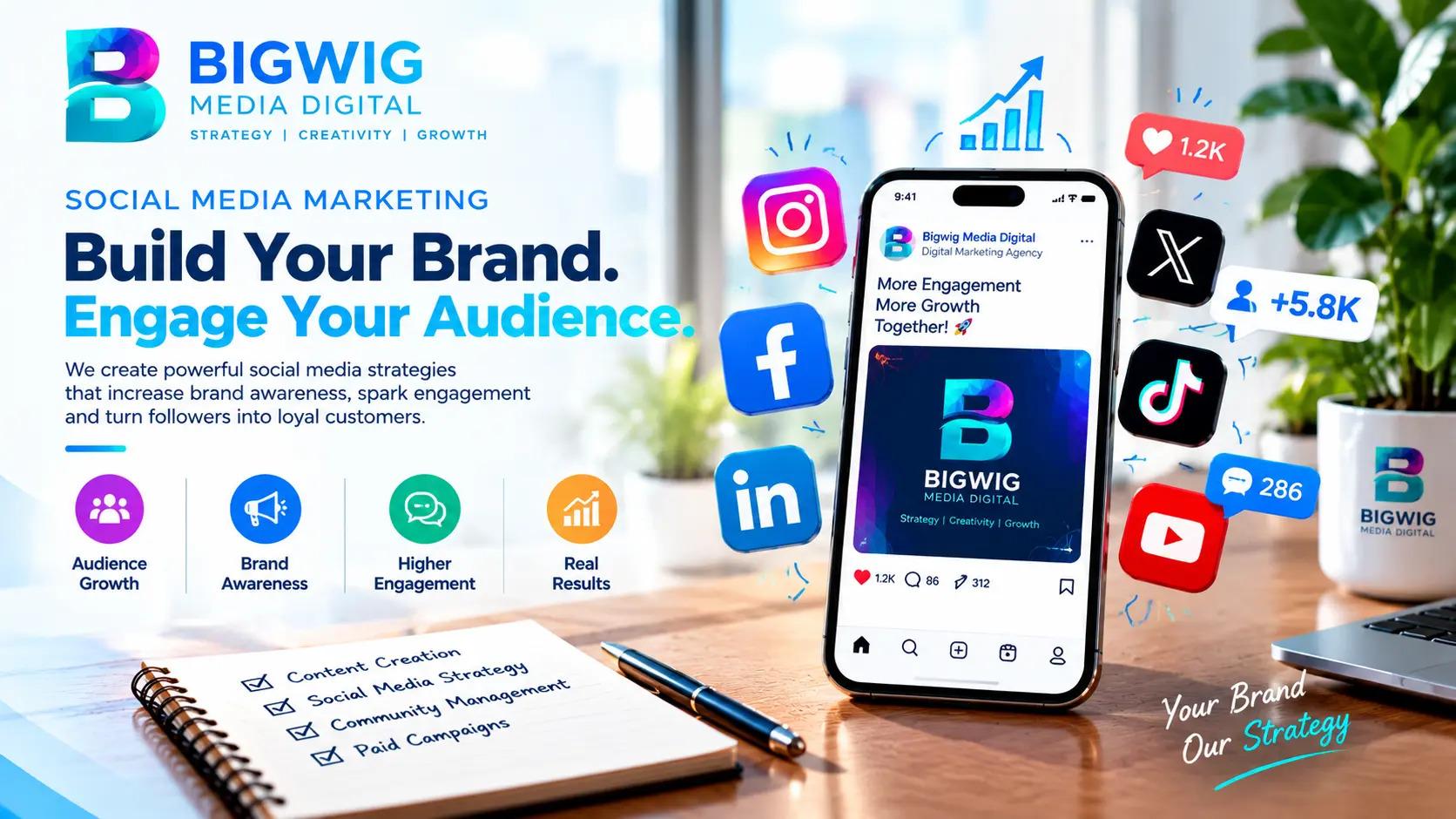
Social media offers businesses several ways to communicate with potential customers and understand their interests.
1. Reach a Relevant Audience
Businesses can use platform features and advertising options to reach audiences based on relevant interests, location, and other available targeting criteria. This can help make marketing messages more relevant to potential customers.
2. Build Trust Through Useful Content
People are more likely to consider a business when they understand what it offers and how it can help. Helpful posts, educational videos, genuine customer feedback, and clear service information can support trust.
3. Encourage Direct Communication
Comments, messages, and enquiry forms allow potential customers to ask questions before making a decision. Timely and helpful responses can make it easier for interested people to take the next step.
4. Support Different Stages of the Customer Journey
Some people are discovering a problem, while others are comparing services or preparing to buy. Social media content can address these different needs through educational posts, case studies, service explanations, and relevant offers.
8 Social Media Marketing Strategies to Generate Quality Leads
1. Understand Your Target Audience
The first step is understanding the people you want to attract. Without a clear audience, even well-designed content may reach people who are unlikely to become customers.
Consider the following questions:
-
Who needs your product or service?
-
What problems are they trying to solve?
-
Which social platforms do they use?
-
What information do they need before contacting a business?
-
What concerns might prevent them from making a decision?
For example, a business offering professional services to other companies may focus on LinkedIn and relevant business communities. A visually driven brand may find Instagram more suitable for showcasing its products.
The right platform depends on your audience and objectives, not simply on which platform is most popular.
2. Create Helpful and Engaging Content
Content plays a major role in attracting attention and building relationships. Instead of promoting your services in every post, share information that answers common questions and helps your audience make better decisions.
Useful content ideas include:
-
Practical tips related to your industry.
-
Answers to frequently asked customer questions.
-
Short educational videos.
-
Step-by-step guides.
-
Service explanations and demonstrations.
-
Genuine customer experiences and case studies.
For example, a digital marketing company could share a post explaining how businesses can improve their advertising campaigns or identify common website SEO issues.
This type of content gives potential customers a reason to engage with your brand and learn more about your services.
3. Choose the Right Social Media Platforms
Not every business needs to be active on every social platform. Managing too many channels without a clear plan can reduce content quality and consistency.
Choose platforms according to your target audience, service type, and available resources.
Facebook: May be useful for local businesses, community engagement, service promotions, and paid advertising.
Instagram: Can help brands showcase products, share short videos, and connect with audiences through visual content.
LinkedIn: Can be useful for business-to-business marketing, professional services, industry insights, and relationship building.
YouTube: Can support educational content, demonstrations, tutorials, and detailed product or service explanations.
Focus on the platforms where your potential customers are most likely to discover and consider your business. Review engagement and lead quality to understand which channels deserve more attention.
4. Use Social Media Advertising to Reach Potential Customers
Organic content helps businesses build a presence, while paid social media campaigns can provide additional opportunities to reach relevant audiences.
Depending on the platform and campaign objective, businesses may promote a service, direct users to a landing page, encourage messages, or collect enquiries through lead forms.
For better campaign planning, businesses should:
-
Define a clear lead generation objective.
-
Select an appropriate audience.
-
Use relevant images, videos, and ad copy.
-
Provide a clear and honest offer.
-
Direct users to a suitable landing page or form.
-
Track leads and review their quality.
For example, a company offering marketing consultations may run a campaign inviting interested businesses to request an initial discussion. The form should be simple and explain what happens after submission.
Paid campaigns should be reviewed regularly to understand whether they are generating meaningful enquiries rather than just clicks or reactions.
5. Optimize Your Social Media Profiles
Your social media profile often creates the first impression of your business. Visitors should be able to understand what you do and how they can contact you.
A well-organized profile should include a clear business description, relevant service information, appropriate branding, and current contact details.
Where the platform allows it, add a suitable website link, booking link, or contact button. Keep your profile information consistent with your website and other business listings.
For example, if your company provides SEO, performance marketing, and social media services, make these offerings easy to understand rather than using a vague description such as "We help businesses grow."
A clear profile can help turn profile visits into website visits, enquiries, and potential leads.
6. Add Clear Calls to Action
A call to action tells the audience what they can do next. Without clear guidance, users may enjoy a post but leave without exploring the business further.
Depending on your objective, calls to action may include:
-
Request a consultation.
-
Send us a message.
-
Explore our services.
-
Download the guide.
-
Book an appointment.
-
Ask for a quote.
Choose one main action for each promotional post or campaign. Make sure the destination works correctly and provides the information promised in the content.
Avoid using misleading urgency or unrealistic promises. A useful call to action should make the next step clear and relevant to the user's needs.
7. Respond to Enquiries and Build Relationships
Lead generation does not end when someone comments on a post or fills out a form. Businesses need a process for responding to interested people and understanding their requirements.
Reply to genuine questions, acknowledge relevant comments, and respond to direct messages in a timely manner. When someone submits an enquiry, provide clear information and ask appropriate follow-up questions.
Businesses can also use a simple customer relationship management system or organized tracking sheet to record enquiries, follow-up dates, and lead status.
Respect customer privacy and obtain appropriate permission before sending promotional communications. Avoid adding people to marketing lists without a valid basis.
Helpful communication can make potential customers feel heard and give them the information needed to decide whether your services are suitable.
8. Measure Results and Improve Your Strategy
Social media performance should be measured against business goals. A post with many likes may create awareness but generate few enquiries. Another post with less engagement may attract people who are ready to purchase.
Track metrics that match your objectives, including:
Reach: The number of unique people who see your content.
Engagement rate: A measure of audience interactions relative to an appropriate reach or audience metric.
Click-through rate: The percentage of impressions that result in clicks.
Cost per lead: The advertising cost associated with generating a lead.
Lead quality: How closely an enquiry matches your ideal customer and service offering.
Conversion rate: The percentage of relevant users who complete a defined action.
Review these metrics regularly and identify which topics, formats, campaigns, and calls to action attract the most relevant enquiries. Use those insights to improve future content and advertising decisions.
Organic Social Media vs Paid Social Media for Lead Generation
Both organic and paid social media can contribute to lead generation, but they work in different ways.
Organic social media focuses on regular content, audience interaction, and long-term relationship building. It can help businesses establish their expertise and maintain communication with followers.
Paid social media uses advertising budgets to distribute promotional messages to selected audiences. It can help businesses test offers, reach new prospects, and encourage specific actions.
For many businesses, a combination of both approaches makes sense. Organic content can answer customer questions and build credibility, while paid campaigns can promote relevant offers and direct interested people toward a suitable next step.
The right balance depends on your business goals, audience, resources, and campaign results.
Common Social Media Lead Generation Mistakes to Avoid
Posting Without a Clear Strategy
Random posts may not support your business objectives. Plan content around audience needs, brand awareness, and lead generation goals.
Focusing Only on Followers
A larger audience does not automatically mean more sales. Pay attention to relevant enquiries and the quality of leads generated.
Ignoring Comments and Messages
Slow or unclear responses can cause potential customers to lose interest. Create a practical process for managing incoming questions.
Using the Same Content Everywhere
Different platforms have different formats and audience expectations. Adapt your content to the channel instead of publishing identical posts without considering the context.
Failing to Track Leads
Without proper tracking, businesses may struggle to understand which campaigns produce valuable enquiries. Use suitable analytics and record lead sources where possible.
How Bigwig Media Digital Can Help Businesses
Building an effective social media presence takes planning, consistent content, audience understanding, and regular performance reviews. Businesses may benefit from professional support when they need help organizing these activities or aligning social media with wider marketing goals.
Bigwig Media Digital offers social media marketing services to help businesses improve their online presence, communicate with relevant audiences, and develop marketing activities based on their objectives.
From content planning and social media promotion to campaign improvement, a structured approach can help businesses make better use of their marketing efforts.
Learn more about the services offered by Bigwig Media Digital: https://www.bigwigmediadigital.com/services/social-media-marketing
Conclusion
Social media can be a valuable channel for businesses that want to attract potential customers and build stronger relationships with their audiences. However, successful lead generation requires more than posting regularly or collecting likes.
By understanding your audience, sharing helpful content, choosing suitable platforms, using relevant advertising campaigns, and responding to enquiries, you can build a more effective lead generation process.
Social media marketing for lead generation works best when every activity supports a clear business objective and results are reviewed consistently. Start with a focused strategy, learn from your audience's responses, and improve your approach over time.
With the right planning and customer-focused communication, social media can help your business create meaningful connections and discover new opportunities for growth.

 English
 Arabic
 French
 Spanish
 Portuguese
 Deutsch
 Turkish
 Dutch
Dutch
 Russian
 Romaian
 Portuguese (Brazil)
 Greek
Greek