


Can Magellan Plasma Support Hair Growth and Skin Regeneration?
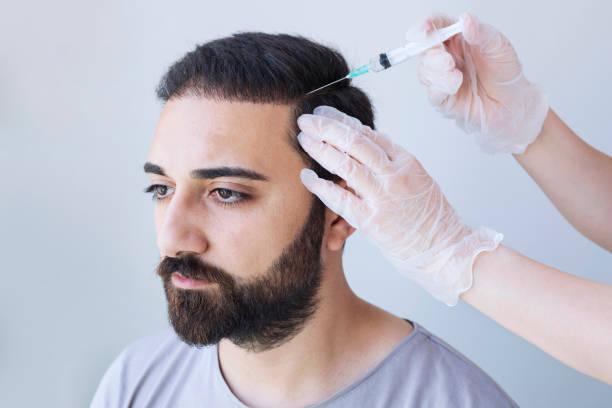
Hair thinning, reduced hair density, uneven skin texture, and visible signs of aging are common concerns for people exploring modern aesthetic treatments. Advances in regenerative medicine have increased interest in platelet-rich plasma (PRP), which uses components from a person's own blood. For individuals researching Magellan Plasma in Riyadh, understanding how this technology works and what scientific evidence says about its applications can help guide informed treatment decisions.
Magellan technology is associated with systems designed to prepare platelet-rich plasma from a blood sample. PRP contains concentrated platelets that release growth factors involved in normal tissue repair. When considering Magellan Plasma in Riyadh, it is important to confirm the exact procedure offered, its intended purpose, and whether clinical evidence supports its use for your concern. PRP has been studied for certain types of hair loss, while evidence for skin regeneration is more variable. Results depend on the individual and the treatment method.
Understanding Magellan Plasma Technology
Magellan technology is associated with specialized systems used to prepare platelet-rich plasma. During a typical PRP procedure, a healthcare professional collects a small blood sample and processes it to concentrate platelets. The resulting preparation may then be applied or injected into a targeted area, depending on the treatment plan.
Platelets contain growth factors that participate in the body's natural healing processes. Researchers have investigated PRP for different medical and aesthetic applications, but its effectiveness varies according to the condition being treated, the preparation method, and the way it is administered.
It is important to distinguish PRP from plasma-energy treatments. PRP uses components obtained from blood, whereas plasma-energy devices use a different technology. Patients should ask their provider to explain precisely which procedure is offered and what outcomes are reasonably expected.
Can Magellan Plasma Support Hair Growth?
Hair loss can occur because of hereditary factors, hormonal changes, nutritional deficiencies, certain medications, or underlying medical conditions. Identifying the cause is essential because not every treatment is suitable for every type of hair loss.
PRP has been studied for androgenetic alopecia, commonly known as pattern hair loss. In a typical procedure, prepared platelet-rich plasma is applied or injected into selected areas of the scalp by a qualified practitioner.
Some studies suggest that PRP may improve hair density or thickness in certain patients. However, results vary, and the available evidence does not establish that every PRP preparation system produces the same outcomes. PRP may be considered as part of a broader hair-management plan after an appropriate assessment.
People experiencing sudden, patchy, or unexplained hair loss should seek medical evaluation before selecting an aesthetic treatment. Understanding the underlying cause can help determine whether PRP, another treatment, or a combination of approaches is appropriate.
Exploring Skin Regeneration and Rejuvenation
Skin changes naturally with age and can also be affected by sun exposure, environmental conditions, and individual skin characteristics. Fine lines, uneven texture, and changes in firmness may lead people to explore professional skin treatments.
PRP is used in some aesthetic settings with the aim of supporting skin quality. Depending on the approach, it may be used alone or alongside another procedure. However, evidence for PRP in skin rejuvenation is mixed, and it should not be presented as a guaranteed method of regenerating skin or reversing visible aging.
People considering Magellan Plasma in Riyadh for skin concerns should ask whether the procedure involves PRP alone or combines it with another technique. A qualified practitioner should explain the available evidence, possible side effects, expected recovery, and alternative treatments suitable for the individual's skin type.
Potential Benefits and Treatment Limitations
The potential benefits of PRP depend on the condition being treated and the treatment protocol. For selected patients with pattern hair loss, research suggests that PRP may improve certain measures of hair growth. For skin rejuvenation, outcomes are less consistent, and individual responses can vary.
Some people may be advised to undergo multiple sessions, with progress evaluated over time. Others may see limited improvement or no noticeable change. Maintenance sessions may be discussed where appropriate, but the recommended schedule should be based on a professional assessment rather than a standard formula.
Patients should be cautious of claims promising guaranteed hair regrowth, permanent skin regeneration, or identical results for everyone. A responsible practitioner will explain what is known, what remains uncertain, and how success will be assessed.
Who May Be Suitable for Treatment?
Suitability depends on a person's medical history, overall health, treatment goals, and the specific procedure being considered. People experiencing pattern hair loss may be assessed for PRP, while unexplained hair shedding may require further investigation to identify an underlying cause.
For skin-related concerns, a practitioner should review the patient's skin type, allergies, previous cosmetic procedures, medications, and relevant medical conditions. Certain health issues may require additional precautions or make a procedure unsuitable.
An initial consultation should include a discussion of potential risks, expected outcomes, alternative options, and aftercare. Patients should have a clear understanding of the procedure before deciding whether to proceed.
Preparation, Recovery, and Aftercare
Preparation varies depending on the treatment. The clinic should explain how the blood sample will be collected, how the treatment area will be prepared, and whether any precautions are necessary. Patients should not stop prescribed medications without advice from their healthcare professional.
Temporary tenderness, redness, swelling, or bruising may occur after some PRP procedures, particularly when injections are involved. Following the clinic's aftercare instructions can help support recovery. Ask when you can resume normal hair care, skincare products, exercise, and other daily activities.
Follow-up appointments may help the practitioner assess progress and determine whether further sessions are appropriate. Seek medical advice if symptoms become severe, worsen unexpectedly, or suggest a complication.
Choosing a Clinic in Riyadh
When researching Magellan Plasma in Riyadh, consider the provider's qualifications, the equipment used, hygiene practices, and access to follow-up care. Ask whether Magellan technology is used to prepare PRP, how the preparation will be administered, and what evidence supports its use for your particular concern.
A trustworthy provider should discuss both potential benefits and limitations without making unrealistic promises. Treatment recommendations should reflect individual needs and medical circumstances rather than general advertising claims. Understanding the procedure before booking can help you make an informed decision.
Book a Consultation at Royal Clinic Saudi
If you are exploring options for hair growth or skin rejuvenation, Royal Clinic Saudi can be a starting point for discussing your concerns and available treatments. During your consultation, ask about the exact Magellan Plasma procedure offered, the practitioner's experience, possible side effects, and realistic outcomes. A personalized assessment can help you determine whether PRP is suitable for your goals or whether another treatment may be more appropriate.
FAQs
Can Magellan Plasma Support Hair Growth?
PRP may improve some measures of hair growth in selected patients, but results vary depending on the cause of hair loss.
Does Magellan Plasma Regenerate Skin?
PRP is used in some aesthetic treatments, but evidence for skin rejuvenation varies and results are not guaranteed.
How Many PRP Sessions May Be Needed?
The number depends on the treatment goal, individual response, and the practitioner's assessment.
How Can I Learn More About Magellan Plasma in Riyadh?
Contact Royal Clinic Saudi to confirm the procedure offered and discuss its suitability, evidence, and potential risks.

 English
 Arabic
 French
 Spanish
 Portuguese
 Deutsch
 Turkish
 Dutch
Dutch
 Italiano
 Russian
 Romaian
 Portuguese (Brazil)