


Understanding Peripheral Artery Disease Treatment and Management
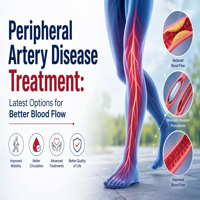
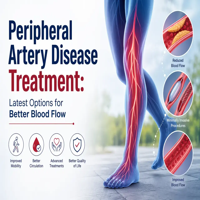
Peripheral artery disease, also known as PAD, is a circulation problem that develops when arteries become narrowed or blocked. It most commonly affects the legs because fatty deposits can build up inside the arteries and reduce blood flow to the muscles and other tissues.
People with PAD may experience leg pain while walking, cold feet, numbness, or wounds that heal slowly. Some people have no noticeable symptoms during the early stages. Without appropriate care, severe PAD can lead to serious complications, including tissue damage and, in advanced cases, the loss of a limb.
Peripheral artery disease treatment focuses on improving blood flow, controlling risk factors, reducing symptoms, and preventing complications. The treatment plan depends on the severity of the disease, the patient's symptoms, and their overall health.
What Causes Peripheral Artery Disease?
The most common cause of PAD is atherosclerosis. This occurs when fatty deposits, cholesterol, and other substances build up inside the artery walls. The buildup narrows the arteries and limits the amount of oxygen rich blood reaching the legs.
Several factors can increase the risk of developing peripheral artery disease.
-
Smoking or using tobacco products
-
Diabetes
-
High blood pressure
-
High cholesterol
-
Older age
-
Limited physical activity
-
A family history of cardiovascular disease
Smoking and diabetes are particularly important risk factors. People with these conditions should discuss their cardiovascular health with a healthcare professional, especially if they experience leg pain, numbness, or foot wounds.
What Are the Common Symptoms of PAD?
Symptoms vary depending on how much blood flow is reduced. Some people experience mild discomfort, while others develop symptoms that affect walking and everyday activities.
Leg Pain While Walking
One common symptom is claudication, which means muscle pain or cramping during physical activity. The discomfort often occurs in the calves, thighs, or buttocks and may improve after resting for a few minutes.
Coldness or Numbness in the Feet
Reduced circulation can make one foot feel colder than the other. Some people also experience numbness, weakness, or changes in sensation.
Slow Healing Wounds
Cuts, sores, or ulcers on the feet and toes may take longer to heal when blood supply is poor. This is particularly concerning for people who also have diabetes.
Changes in Skin Colour
The skin on the legs or feet may appear pale, bluish, or discoloured. Hair loss on the legs and changes in toenail growth may also occur in some people with PAD.
Pain at Rest
Severe PAD can cause pain even when a person is resting, especially in the feet or toes. This may indicate critically reduced blood flow and requires urgent medical assessment.
Sudden severe leg pain, a cold or pale foot, new numbness, or weakness can indicate an acute loss of blood flow. Seek emergency medical care immediately if these symptoms develop.
How Is Peripheral Artery Disease Diagnosed?
An accurate diagnosis helps determine the severity of PAD and guides the choice of treatment.
Medical History and Physical Examination
The doctor asks about symptoms, smoking history, diabetes, blood pressure, cholesterol, and other risk factors. The examination may include checking pulses in the legs and feet, skin temperature, colour, and any wounds.
Ankle Brachial Index
The ankle brachial index, or ABI, is a common test for PAD. It compares blood pressure measured at the ankle with blood pressure measured in the arm. A lower than expected result can indicate reduced blood flow to the legs.
Doppler Ultrasound
Doppler ultrasound uses sound waves to assess blood flow through the arteries. It can help identify areas where blood flow is reduced and may be used to evaluate the location and severity of a blockage.
Additional Imaging Tests
In some cases, the doctor may recommend CT angiography, MR angiography, or catheter angiography. These tests provide more detailed information about the arteries and may help plan a procedure when one is needed.
Not every patient requires every test. The doctor chooses investigations based on the symptoms, initial findings, and the treatment decisions being considered.
Peripheral Artery Disease Treatment Options
The goal of PAD treatment is to reduce symptoms, improve walking ability, protect the feet, and lower the risk of cardiovascular complications such as heart attack and stroke.
1. Lifestyle Changes
Lifestyle changes are an important part of peripheral artery disease management. They can help improve overall cardiovascular health and support other treatments.
Patients may be advised to:
-
Stop smoking and avoid tobacco products
-
Follow a balanced, heart healthy diet
-
Stay physically active within their medical limits
-
Maintain a healthy weight
-
Control blood pressure, cholesterol, and blood sugar
-
Check their feet regularly for cuts, blisters, and wounds
People who smoke may benefit from professional smoking cessation support. Patients with diabetes should pay particular attention to foot care because reduced circulation and nerve damage can increase the risk of ulcers.
2. Supervised Exercise Therapy
Structured exercise is often recommended for people who experience leg pain while walking. A supervised exercise program usually includes walking until moderate symptoms develop, resting, and then repeating the activity under a planned schedule.
Over time, this approach can improve walking distance and daily function for many patients.
The exercise plan should be appropriate for the person's health and symptom severity. Patients with foot ulcers, severe rest pain, or suspected critical limb ischaemia need medical assessment before beginning an exercise program.
3. Medicines for PAD Management
Medicines may be prescribed to reduce cardiovascular risks and help manage symptoms. The exact combination depends on the patient's medical history and risk factors.
Treatment may include:
Antiplatelet medicines: These may reduce the risk of blood clots and cardiovascular events in suitable patients.
Cholesterol lowering medicines: Statins are commonly used to reduce cholesterol and lower the risk of heart attack and stroke.
Blood pressure medicines: These help control high blood pressure and reduce strain on the cardiovascular system.
Diabetes medicines: Appropriate blood sugar management can reduce the risk of complications in people with diabetes.
Certain medicines may also help improve walking symptoms in selected patients. Patients should take medicines only as prescribed and discuss possible side effects or interactions with their healthcare professional.
4. Angioplasty and Stenting
Angioplasty may be recommended when narrowed or blocked arteries cause significant symptoms or threaten the health of the leg.
During angioplasty, a thin catheter with a small balloon is guided into the affected artery. The balloon is inflated to widen the narrowed area and improve blood flow. A stent, which is a small mesh tube, may be placed in selected cases to help keep the artery open.
The procedure is minimally invasive, but it is not suitable for every blockage. The location and length of the narrowing, the patient's overall health, and the expected benefits all influence the decision.
5. Bypass Surgery
Bypass surgery may be considered when arterial disease is extensive or when an endovascular procedure is unlikely to provide an appropriate result.
During this procedure, a surgeon creates an alternative route for blood to flow around the blocked section of an artery. A suitable blood vessel from the patient or a synthetic graft may be used.
Bypass surgery can help improve blood supply in selected patients, but it involves surgical risks and requires follow up care. The vascular team will explain the expected benefits, recovery process, and possible complications.
6. Treatment for Foot Wounds and Advanced PAD
People with severe PAD may develop non healing wounds, tissue damage, or infections. Treatment may involve wound care, infection management, pressure relief, and assessment of whether blood flow can be restored.
When circulation is critically reduced, urgent vascular evaluation is essential. In some cases, revascularisation through an endovascular procedure or surgery may help preserve the affected limb.
Patients with diabetes should not ignore small cuts, blisters, or colour changes on their feet. Early assessment can help prevent minor problems from becoming serious complications.
How Can Peripheral Artery Disease Be Managed Long Term?
PAD is usually a long term condition that requires regular follow up. Even after a procedure improves blood flow, managing the underlying cardiovascular risk factors remains important.
Long term care may include taking prescribed medicines, attending follow up appointments, staying physically active as advised, and monitoring symptoms. Patients should also report new pain, changes in walking distance, foot wounds, or changes in skin colour.
Good foot care is especially important. Inspect the feet daily, wear properly fitting footwear, and seek medical advice for wounds that do not heal.
When Should You See a Vascular Specialist?
Consider a medical assessment if you experience repeated leg pain while walking, unexplained foot numbness, cold feet, changes in skin colour, or wounds that heal slowly.
People with diabetes, a history of smoking, or known cardiovascular disease may need particular attention to circulation symptoms.
Dr. Himanshu Verma provides vascular and endovascular care for conditions including peripheral artery disease. You can visit https://www.drhimanshuverma.com/ to explore vascular services and educational information.
Conclusion
Peripheral artery disease treatment includes lifestyle changes, supervised exercise, medicines, and procedures such as angioplasty, stenting, or bypass surgery when appropriate. The best approach depends on the severity of the disease, the patient's symptoms, and the results of diagnostic tests.
Early diagnosis and ongoing management can help reduce symptoms, protect foot health, and lower cardiovascular risks. If you notice persistent leg pain, cold feet, or wounds that do not heal, consult a healthcare professional for an appropriate assessment and treatment plan.

 English
 French
 Spanish
 Portuguese
 Deutsch
 Turkish
 Dutch
Dutch
 Italiano
 Russian
 Romaian
 Portuguese (Brazil)
 Greek
Greek