


How to Hire a Licensed General Contractor for a Home Remodel in San Antonio
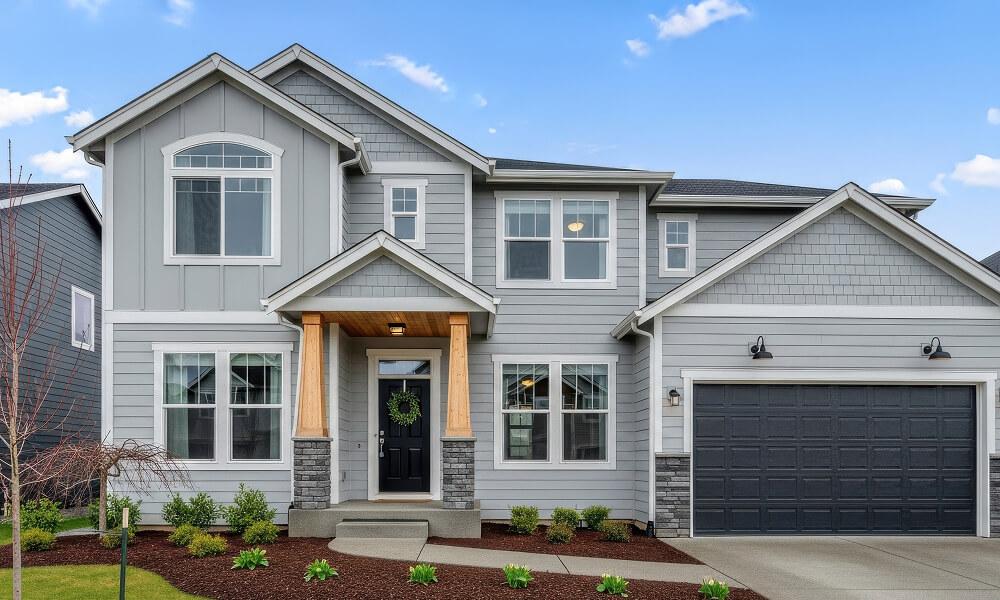
A major home remodel whether it involves expanding a kitchen, reconfiguring a master suite, or adding a multi-room extension—is one of the largest financial and logistical investments a homeowner can make. Undertaking a project of this scale requires experienced oversight to balance design goals, structural integrity, local building codes, and budget constraints.
Navigating the hiring process in San Antonio involves understanding a specific regulatory landscape. State regulations do not mandate a statewide general contractor license; instead, oversight falls heavily on local municipal bodies. The City of San Antonio Development Services Department (DSD) manages local contractor registration, building permits, code compliance, and safety inspections.
Below is a comprehensive, step-by-step guide detailing how to evaluate, verify, and hire the right licensed or city-registered general contractor for your San Antonio home renovation.
Step 1: Define the Scope of Work and Project Requirements
Before reaching out to builders or home remodeling companies, establish a precise project outline. Contractors need explicit expectations to provide accurate cost estimates and timelines.
Clarifying Intent and Budget
-
Define Needs vs. Wants: Distinguish essential structural or mechanical changes (such as load-bearing wall removals, plumbing relocations, or electrical upgrades) from aesthetic preferences (such as custom cabinetry, tile selections, or fixture styles).
-
Establish a Realistic Financial Envelope: Set a clear maximum budget that includes a 15% to 20% contingency fund for unexpected discovery items, such as foundation settling, outdated wiring, or hidden plumbing leaks.
-
Gather Design Inspirations: Compile floor plans, sketch layouts, or design mood boards. If your remodel requires major structural alterations, consider hiring a residential architect or structural engineer to produce preliminary blueprints first.
Step 2: Understand San Antonio’s Licensing and Contractor Laws
Understanding the local legal Framework protects you from predatory practices, uninsured workers, and non-compliant construction.
                 +-----------------------------------+
                 |    State Level Oversight          |
                 | - Trade Licensing: Electricians,  |
                 |   Plumbers, and HVAC (TDLR/TSBPE) |
                 +-----------------------------------+
                                   |
                                   v
                 +-----------------------------------+
                 |     City Level Oversight (DSD)    |
                 | - Building & Home Improvement     |
                 |   Contractor Registration         |
                 | - FBI Background Checks           |
                 | - Local Permitting & Inspections  |
                 +-----------------------------------+
State vs. Municipal Oversight
-
State-Level Trade Licenses: Specialty trades—specifically Electrical (regulated by TDLR), Plumbing (regulated by TSBPE), and HVAC—must hold valid state-issued professional licenses.
-
City-Level General Contractor Registration: General contractors, residential builders, and home improvement specialists are regulated locally. The City of San Antonio requires general contractors and home improvement contractors to be registered with the Development Services Department (DSD).
-
Background Checks & Code Compliance: San Antonio requires Home Improvement Contractors to complete an FBI background check, submit proof of general liability insurance, and comply with local building codes before pulling construction permits.
Step 3: Source Qualified Local Candidates
Avoid selecting contractors solely based on search engine banner ads or promotional flyers. Utilize trusted networks and official directories to build a shortlist of 3 to 5 candidates.
Preferred Sourcing Methods
-
City of San Antonio Contractor Search: Use the DSD’s Contractor Connect platform to locate active, properly registered home improvement and residential building contractors.
-
Professional Associations: Search directory listings from localized trade groups, such as the Greater San Antonio Builders Association (GSABA) or the National Association of the Remodeling Industry (NARI).
-
Neighborhood Recommendations: Seek input from neighbors or colleagues who have completed similar remodels within historic districts (such as King William or Monte Vista) or established neighborhoods (such as Alamo Heights, Stone Oak, or Castle Hills), as local building conditions vary.
Step 4: Perform Background and Credential Vetting
Once you have a candidate shortlist, thoroughly verify each general contractor’s legal and professional credentials.
Primary Verification Checklist
-
Verify San Antonio DSD Registration: Confirm that the contractor’s business registration with the city is current and in good standing. Ask for their registration number and confirm it through the BuildSA portal.
-
Verify Insurance Coverage:
-
General Liability Insurance: Ensure coverage of at least $300,000 to $1,000,000 for property damage and bodily injury.
-
Workers' Compensation: Confirm workers' compensation coverage to protect yourself from liability if a labor crew member is injured on your property.
-
-
Check Lien and Litigation History: Search local county court records for outstanding mechanics' liens or past legal disputes filed against the contracting firm.
-
Review Subcontractor Credentials: Confirm that the master plumbers, electricians, and HVAC technicians on the general contractor's team hold current state licenses.
Step 5: Conduct Interviews and Review Completed Work
Interview candidate contractors to evaluate their expertise, project management methods, and communication style.
Essential Interview Questions
-
How long have you operated as a general contractor in the San Antonio metropolitan area?
-
Will you personally oversee the job site, or will a dedicated project manager handle day-to-day operations?
-
What is your protocol for managing unexpected structural issues or price fluctuations in materials?
-
How do you structure progress payments, and do you use escrow or lien waivers for subcontractors?
-
Can you provide a list of three recent client references with projects similar in scale to mine?
Contacting References and Site Visits
Speak directly with past clients. Ask whether the contractor stayed on budget, maintained a clean job site, met deadlines, and addressed post-construction punch-list items promptly. If possible, visit an active job site to observe site safety, crew conduct, and overall workmanship.
Step 6: Evaluate Proposals and Bids
Request written, itemized bids from at least three vetted contractors. Avoid vague estimate sheets that lack material specifications or breakdown costs.
+-----------------------------------------------------------------------+
|                       REMODELING PROPOSAL SUMMARY                      |
+-----------------------------------+-----------------------------------+
| Component                         | Details                           |
+-----------------------------------+-----------------------------------+
| Scope Breakdown                   | Demolition, Framing, Rough-in     |
| Material Specifications           | Grade, Model #s, Allowances       |
| Labor and Management              | Crew Hours, PM Fees               |
| Permitting & Inspection Fees      | City DSD Permits Included         |
| Payment Milestones                | Tied to Verified Completion       |
+-----------------------------------+-----------------------------------+
Key Elements of a Comprehensive Proposal
-
Detailed Work Breakdowns: Clear division of expenses for demolition, framing, electrical, plumbing, finishing work, and debris removal.
-
Material Specifications & Allowances: Precise brand names, product lines, or designated allowances for fixtures, tile, flooring, and cabinetry.
-
Permitting Responsibilities: Explicit confirmation that the contractor will submit plans to the San Antonio DSD, pull all necessary residential permits, and schedule mandatory city inspections.
-
Project Schedule: Realistic start dates, major completion milestones, and estimated completion dates.
Step 7: Draft and Execute a Formal Construction Contract
Never rely on verbal agreements or informal handshakes. Execute a binding, written contract that protects both parties and outlines the entirety of the project.
Critical Contractual Provisions
-
Complete Scope of Work & Architectural Plans: Attach all final architectural drawings, engineering notes, and material schedules directly to the agreement.
-
Payment Schedule: Structure payments based on verified work milestones (e.g., 10% deposit upon signing, 25% upon foundation/framing sign-off, 25% upon rough-in completion, 25% upon drywall/finish completion, and a final 15% retention fee). Avoid paying large upfront deposits exceeding 10% to 15%.
-
Change Order Process: Mandate that any change in scope, cost, or timeline must be approved via a signed, written Change Order before the work is performed.
-
Lien Waiver Stipulations: Require partial lien waivers from the contractor and primary subcontractors upon each milestone payment, alongside a final unconditional lien waiver upon project sign-off.
-
Dispute Resolution & Termination Clauses: Outline clear procedures for handling disputes, delays, or contract termination terms.
Step 8: Manage Permitting, Construction, and Final Sign-Off
Once construction begins, ongoing oversight ensures the work complies with city codes and contractual obligations.
Navigating Permitting and Inspections
The general contractor must post all issued building permits in a visible location at the work site. City code inspectors from the DSD will conduct mandatory stage inspections (e.g., foundation, framing, trade rough-ins, insulation, and final building inspection). Ensure you receive copies of all passed inspection reports.
Final Walkthrough and Closure
-
Punch-List Walkthrough: Walk through the completed space alongside the general contractor to identify any minor defects, paint touch-ups, or uninstalled hardware.
-
Final Inspections & Certificate of Occupancy: Confirm that the DSD has completed its final inspection and issued official approval.
-
Warranty Documentation: Collect all manufacturer warranties for appliances, roofing materials, windows, and mechanical systems, as well as the contractor's written workmanship warranty (typically 1 to 2 years).
-
Final Payment Release: Release the final retention payment only after all punch-list items are resolved, final city inspections are signed off, and all final lien waivers are executed.

 English
 Arabic
 French
 Spanish
 Portuguese
 Deutsch
 Turkish
 Dutch
Dutch
 Italiano
 Romaian
 Portuguese (Brazil)
 Greek
Greek