


Ergonomic Features for More Personalized Comfort
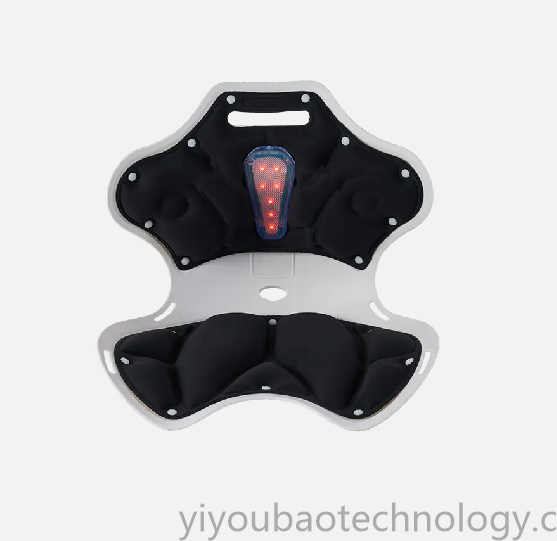
People use chairs in different ways depending on their height, body shape, working habits, and preferred sitting positions. A support accessory that fits one person comfortably may not provide the same experience for another. An Adjustable Lumbar Support Cushion is designed to offer greater flexibility by allowing its position or configuration to be adapted to the user and the chair. For furniture brands, distributors, and commercial buyers, understanding this flexibility is important when evaluating products for workplaces, home offices, vehicles, and other seating environments.
The central design challenge is to provide useful support without making the product complicated to install or operate. Adjustment mechanisms should be intuitive and should help users position the cushion around the lower back according to their seating needs. Depending on the product design, adjustment may involve movable straps, repositionable panels, or other attachment structures. Each approach requires careful consideration of stability, ease of use, and compatibility with different chair shapes. A mechanism that is difficult to adjust or slips during normal use can reduce the practical value of the product, even when its cushioning materials are suitable.
Material selection influences both comfort and the effectiveness of the adjustment system. Foam and other cushioning materials need to provide an appropriate balance between resilience and softness. If the material compresses too easily, the cushion may not retain its intended profile during extended sitting. If it is excessively firm, some users may find the contact uncomfortable. Manufacturers can assess material behavior through compression, recovery, and repeated-use evaluations. These assessments help determine whether a material is appropriate for the expected application and whether it works effectively with the cushion's shape and internal structure.
The outer cover also deserves attention during product development. Breathable fabrics may be appropriate for office environments where users remain seated for long periods, while other applications may prioritize surface durability, easy maintenance, or a particular visual style. The cover should fit securely around the cushioning material without restricting the intended adjustment. Reinforced seams and carefully finished attachment points can help reduce wear in areas exposed to repeated movement. For buyers developing a coordinated furniture range, available colors, textures, and branding options may also influence the final selection.
Compatibility is another important factor. Chairs vary in backrest height, width, curvature, and upholstery material, so a support product should be evaluated against its intended seating applications. Attachment systems need to hold the cushion in place without damaging the chair or interfering with normal adjustments. During product testing, manufacturers can examine whether the cushion remains stable as users sit down, lean back, and change position. Installation instructions should explain how to secure and reposition the product clearly, helping reduce confusion for distributors, retailers, and end users.
Adjustability should not be presented as a universal solution to every sitting concern. Comfort depends on the interaction between the chair, the user's body, desk height, sitting habits, and the duration of use. A cushion can help improve the fit between a person and a chair, but it does not replace suitable workstation setup or regular movement. Product descriptions should communicate the intended function accurately and avoid unsupported medical or therapeutic claims. Clear guidance helps buyers position the product appropriately within their seating accessory range.
For manufacturers, reliable production depends on controlling both the cushion and its moving or fastening components. Material inspection, dimensional checks, seam evaluation, and adjustment-mechanism testing can help identify defects before products are packed. Repeated adjustment cycles may be useful for evaluating the durability of straps, fasteners, and movable parts. Inspection criteria should be established before mass production so that each batch can be assessed against consistent expectations. Packaging should also protect the cushion from deformation, contamination, and unnecessary pressure during transportation and storage.
B2B buyers may require variations for different customer groups or distribution channels. These can include changes to cushion dimensions, cover materials, colors, attachment methods, packaging, and private-label presentation. Buyers should communicate the target chair types, expected usage conditions, market positioning, and order requirements early in the development process. Reviewing samples before approving larger quantities allows both parties to assess fit, finish, comfort, and ease of adjustment. Written approval criteria can then guide production and help reduce avoidable misunderstandings.
A dependable sourcing partnership should combine product development support with clear communication about production schedules, quality procedures, packaging, and order fulfillment. Businesses should consider whether a supplier can maintain consistent materials and workmanship across repeat orders, not simply whether an initial sample looks suitable. An Adjustable Lumbar Support Cushion can serve a wider range of seating needs when its design, materials, and adjustment features are developed as an integrated system. Yongkang Yiyoubao Technology Co., Ltd. provides seating comfort products for different market applications. Buyers can review its product offerings at https://www.yiyoubaotechnology.com/product/lumbar-supports-seat-cushions/ to evaluate options for their own product portfolios.

 English
 Arabic
 French
 Spanish
 Portuguese
 Deutsch
 Turkish
 Dutch
Dutch
 Italiano
 Russian
 Portuguese (Brazil)
 Greek
Greek