


Reliable Woven Materials for Packaging Production
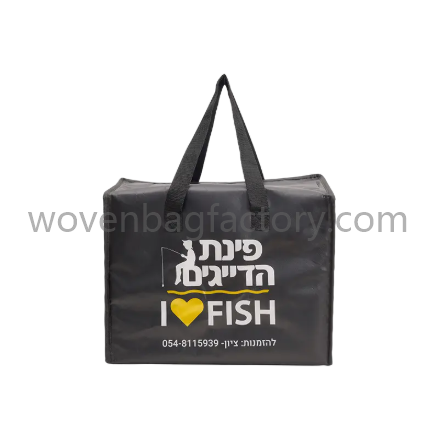
Flexible packaging manufacturers depend on consistent raw materials to maintain production efficiency and finished-product quality. For businesses converting woven textiles into bags, covers, and other packaging products, a PP Woven Fabric Roll offers a practical starting point for downstream manufacturing. Made from interlaced polypropylene tapes, this fabric combines a lightweight structure with useful tensile properties and processing versatility. Its suitability depends on fabric construction, intended application, conversion requirements, and the performance expectations of the final product.
Polypropylene is widely used in woven packaging because it can be processed into thin tapes and arranged into a stable textile structure. During production, polypropylene resin is melted and extruded into film, which is then slit into narrow strips. These strips are stretched under controlled conditions to improve their mechanical characteristics before being wound onto bobbins. The tapes are subsequently woven together to create fabric with a structure designed for packaging and industrial applications. Process consistency helps determine the fabric's uniformity and suitability for further conversion.
Weaving parameters influence the characteristics of the finished material. Tape width, weaving density, fabric weight, and production tension can affect strength, flexibility, appearance, and handling. Manufacturers must coordinate these variables according to the fabric's intended use rather than treating every application identically. Packaging for lightweight agricultural goods may require different characteristics from material intended for construction products or industrial components. Clear specifications allow buyers and suppliers to align material selection with practical operating conditions.
After weaving, the fabric can undergo additional processing to meet particular requirements. Lamination or coating may improve resistance to moisture and help create a surface suitable for certain packaging applications. Printing can support brand identification, product information, handling instructions, and inventory management. Cutting and sewing operations transform the fabric into finished bags or other structures, while selected finishing methods can improve compatibility with filling equipment and warehouse processes. Each additional treatment should be evaluated in relation to its functional purpose and effect on the overall packaging design.
Quality control begins with raw material management and continues through extrusion, weaving, and finishing. Manufacturers can monitor tape uniformity, fabric dimensions, weaving consistency, visible defects, and roll presentation. Depending on the application, buyers may also establish acceptance criteria for tensile properties, fabric weight, or other relevant measurements. Consistent inspection methods make it easier to compare batches and investigate variations. Clear documentation and sample approval can further reduce uncertainty when customers place repeat orders or introduce new packaging designs.
Roll handling is another important consideration for downstream processors. Fabric rolls should be prepared and packaged to reduce avoidable contamination, deformation, or handling damage during storage and transportation. Consistent roll width and winding quality can help converting facilities organize inventory and feed material into production equipment. Buyers should communicate requirements for roll dimensions, labeling, packaging, and delivery quantities before production begins. These details can make receiving inspections and material planning more efficient.
The versatility of woven polypropylene fabric supports applications across several sectors. Packaging manufacturers may convert it into sacks for grain, animal feed, fertilizers, construction materials, and other dry commodities. Industrial businesses may use woven materials in protective covers or selected utility products, depending on the required construction. Agricultural and distribution operations can benefit from materials that balance practical strength with manageable weight. However, suitability must be assessed according to the product being handled, the environment, and the intended service life.
For purchasing teams, supplier selection should include more than price comparisons. Manufacturing capability, quality procedures, production scheduling, communication, and the ability to maintain agreed specifications can all influence the total cost of using a material. Buyers may request samples to evaluate surface appearance, handling characteristics, and compatibility with their converting equipment. Sharing forecasts and communicating changes early can help manufacturers plan raw materials and production capacity while supporting more predictable delivery schedules.
Material efficiency is also relevant when businesses assess packaging options. Choosing fabric that meets actual performance needs can help avoid unnecessary material use, while appropriate construction can reduce problems caused by premature damage. End-of-life planning should account for local recycling infrastructure, product contamination, coatings, and any additional materials used during conversion. Sustainability decisions are most useful when they consider manufacturing, distribution, use, and disposal together rather than relying on one material characteristic alone.
When selecting a PP Woven Fabric Roll, buyers should evaluate how the fabric's construction, finishing, and consistency align with their downstream production process. HONGYANG supports customers seeking woven packaging materials and manufacturing coordination for varied commercial applications. Businesses can explore available packaging solutions at https://www.wovenbagfactory.com/product/kraft-paper-bag/ while discussing material requirements, conversion needs, and supply planning for future orders.

 English
 Arabic
 French
 Spanish
 Portuguese
 Deutsch
 Turkish
 Italiano
 Russian
 Romaian
 Portuguese (Brazil)
 Greek
Greek