


Top 10 BigCommerce Development Trends to Watch in 2027
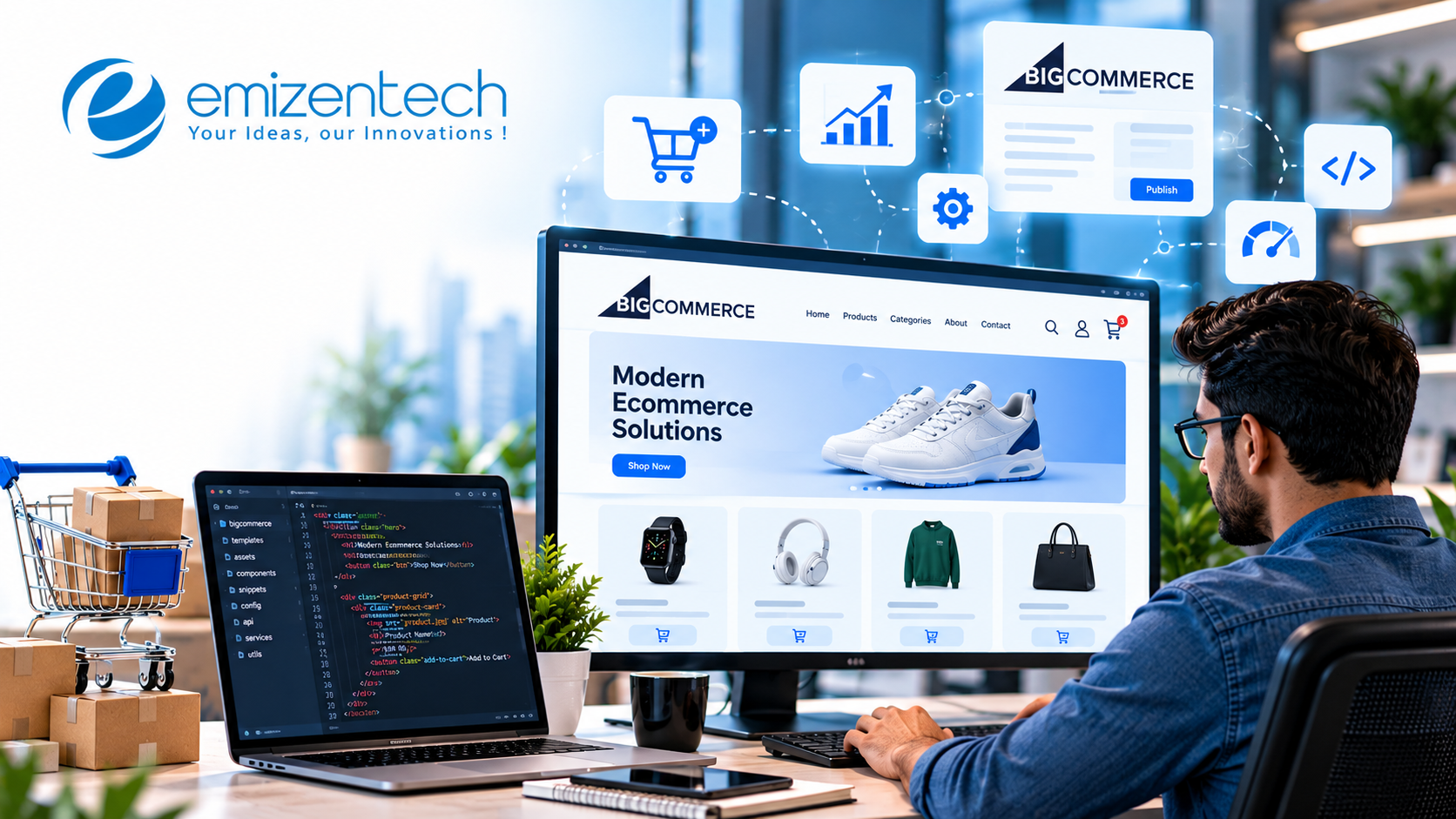
Online selling is changing faster than most roadmaps can handle. Shoppers expect instant pages, relevant recommendations, and smooth checkouts on every device. For merchants and developers, understanding BigCommerce development trends 2027 now decides how competitive a store will be next year. This guide covers ten shifts shaping the platform, so you can plan upgrades with confidence and invest in the changes that will actually move revenue.
BigCommerce Development Trends Shaping 2027
The platform is evolving in several directions at once, from intelligent automation to flexible storefront architecture. Each trend below reflects real shifts in how shoppers buy and how developers build. Read through them in order, or jump to the ones that match your current priorities. Together they outline the future of BigCommerce development for the year ahead.
1. AI-Driven Personalization and Smarter Search
Personalization has moved from a nice extra to a baseline expectation. Shoppers want stores that understand intent, not just keywords. In 2027, BigCommerce AI features will sit at the center of product discovery, helping stores show the right item at the right moment.
Expect these capabilities to expand:
- Machine-learning product recommendations
- Natural-language and visual search
- Automated product descriptions and tagging
- Behavior-based merchandising rules
Developers will connect these tools through APIs, tune them with real behavior data, and test continually to protect relevance and conversions. Clear tracking shows which recommendations actually influence revenue, and automation removes hours of repetitive merchandising work.
2. Headless and Composable Commerce Becomes Standard
Separating the storefront from the commerce engine is quickly becoming normal for growing brands. It gives design teams freedom while keeping BigCommerce’s dependable back end. Headless BigCommerce trends suggest adoption will accelerate even further next year.
Frameworks such as Next.js, along with BigCommerce’s Catalyst starter, let teams ship unique experiences quickly. Composable setups also allow merchants to swap search, CMS, or payment tools without rebuilding everything. The trade-off is added complexity, so a phased migration, starting with high-traffic pages, keeps risk low while delivering visible gains.
3. Agentic Commerce and AI Shopping Assistants
AI agents are beginning to browse, compare, and even purchase on behalf of shoppers. That changes how stores must present their data. Clean, structured catalogs and reliable APIs will matter as much as attractive pages.
Merchants should prepare accurate product feeds, real-time inventory signals, and machine-readable policies. Brands that want assistant-ready catalogs often turn to expert BigCommerce development services to structure product data and build the integrations behind it, so items stay visible wherever buying decisions begin. Early preparation gives stores an advantage as this behavior grows, and it improves traditional search visibility as well.
4. Smarter B2B Commerce Experiences
B2B buyers want consumer-style convenience combined with enterprise-level control. BigCommerce already serves this segment well, and 2027 will push it further. Stores that treat wholesale buyers as seriously as retail shoppers will win repeat orders.
Key features to look for include:
- Customer-specific pricing and price lists
- Quote requests and approval workflows
- Multi-user buyer accounts
- Self-serve reordering and invoice access
Developers will build tailored buyer portals that connect directly with ERP and procurement systems, cutting manual order handling. Faster reorders and clearer account dashboards also strengthen long-term buyer relationships.
5. Mobile-First Design and Progressive Web Apps
Most traffic now arrives on phones, yet plenty of stores still treat mobile as an afterthought. Speed and thumb-friendly design directly affect conversion. Progressive web apps offer a practical middle ground between a website and a native app.
PWAs deliver app-like speed, offline browsing, and push notifications without app-store friction. Developers will pair them with lightweight storefronts, simplified navigation, and mobile wallets to shorten the path from product page to payment. Testing on real devices will matter more than desktop previews, and image compression with lazy loading remains a simple win for slower connections.
6. Multi-Storefront and Global Expansion
Selling across borders no longer requires separate platforms for every market. BigCommerce’s multi-storefront capability lets brands run several stores from one back end. In 2027, more merchants will use it to test new regions and customer segments.
Developers will localize currencies, languages, tax rules, and content, while sharing catalogs and inventory centrally. This approach reduces duplicate work and keeps brand experiences consistent across every market. Centralized reporting also shows which regions deserve more investment, and launching a niche or regional brand becomes far cheaper than building from scratch.
7. Flexible Checkout and Modern Payments
Checkout is where sales are won or lost. Shoppers abandon carts when forms feel long or payment options feel limited. Stores are therefore investing heavily in faster, more adaptable checkout flows.
Popular upgrades are likely to include:
- Digital wallets and one-click payments
- Buy-now-pay-later options
- Local payment methods for new regions
- Guest checkout with saved details
Custom checkout development will let brands add trust signals, subscription logic, and region-specific rules without sacrificing speed or security. Even small friction fixes can lift completed orders noticeably.
8. API-First Integrations and Workflow Automation
Modern stores rarely work alone. ERP, CRM, PIM, shipping, and marketing tools all need to exchange data in real time. API-first design keeps those connections dependable as the store grows.
Webhooks, event-driven workflows, and middleware reduce manual work and costly errors. Stores planning complex integrations usually benefit from specialized BigCommerce development services that design connections capable of scaling without slowing the storefront. Clean automation frees teams to focus on strategy instead of spreadsheets, while customers see accurate stock and delivery information.
9. Performance and Security as Competitive Advantages
Speed and safety are now part of the customer experience. Slow pages hurt search rankings and sales, while security failures damage trust for years. Both deserve attention during development, not after launch.
Priorities for the coming year include:
- Strong Core Web Vitals scores
- Image optimization and edge caching
- Strict access controls and regular audits
- Careful vetting of third-party apps and scripts
Regular testing after each release prevents small updates from slowing pages down. Ongoing monitoring catches problems before customers ever notice them.
10. First-Party Data and Predictive Analytics
As third-party cookies fade, stores must learn from the data they collect directly. Purchase history, browsing behavior, and customer feedback become valuable strategic assets. Understanding BigCommerce trends 2027 means recognizing how central this data will be.
Developers will connect stores to customer data platforms and analytics tools, enabling segmentation, demand forecasting, and personalized email journeys. Predictive insights help merchants stock smarter, price confidently, and spend marketing budgets more effectively. Respecting privacy rules while doing so builds lasting customer trust, and consent-friendly data collection is becoming as important as the analytics itself.
Conclusion
The coming year rewards stores that are fast, flexible, and intelligent. AI, headless architecture, strong integrations, and first-party data will shape how successful merchants compete. Start by auditing your current setup, then prioritize the trends that match your growth goals and customer expectations. You do not need to adopt everything at once; steady, well-planned improvements usually outperform rushed overhauls. Track results after every release, learn from customer behavior, and adjust your roadmap as the platform keeps evolving. If you want an experienced partner for that journey, emizentech can help you plan and build a BigCommerce store that is ready for what comes next.
Frequently Asked Questions
1. What are the biggest BigCommerce trends in 2027?
AI-driven personalization, headless and composable architecture, agentic commerce, advanced B2B tools, and API-first automation lead the list. Together they push stores toward faster, smarter, and more flexible buying experiences.
2. Is headless BigCommerce suitable for small stores?
It can be, but it adds development and maintenance effort. Smaller stores with standard needs often succeed on a well-optimized theme first and move headless when growth demands greater design flexibility.
3. How will AI change BigCommerce stores?
AI will improve search, recommendations, product content, and customer support, while also shaping how shopping assistants discover and recommend products to buyers. Stores with clean, structured data will benefit most.
4. Does BigCommerce work well for B2B?
Yes. It supports buyer accounts, custom pricing, and quote workflows, and developers can extend these further with custom buyer portals and ERP integrations.
5. How can I prepare my store for 2027?
Audit site speed, clean up product data, and review your integrations. Then choose one or two high-impact upgrades, such as improved search or a faster checkout, to start with.

 English
 Arabic
 French
 Spanish
 Portuguese
 Deutsch
 Dutch
Dutch
 Italiano
 Russian
 Romaian
 Portuguese (Brazil)
 Greek
Greek