


Exploring Botanical Ingredients for Everyday Immune Wellness
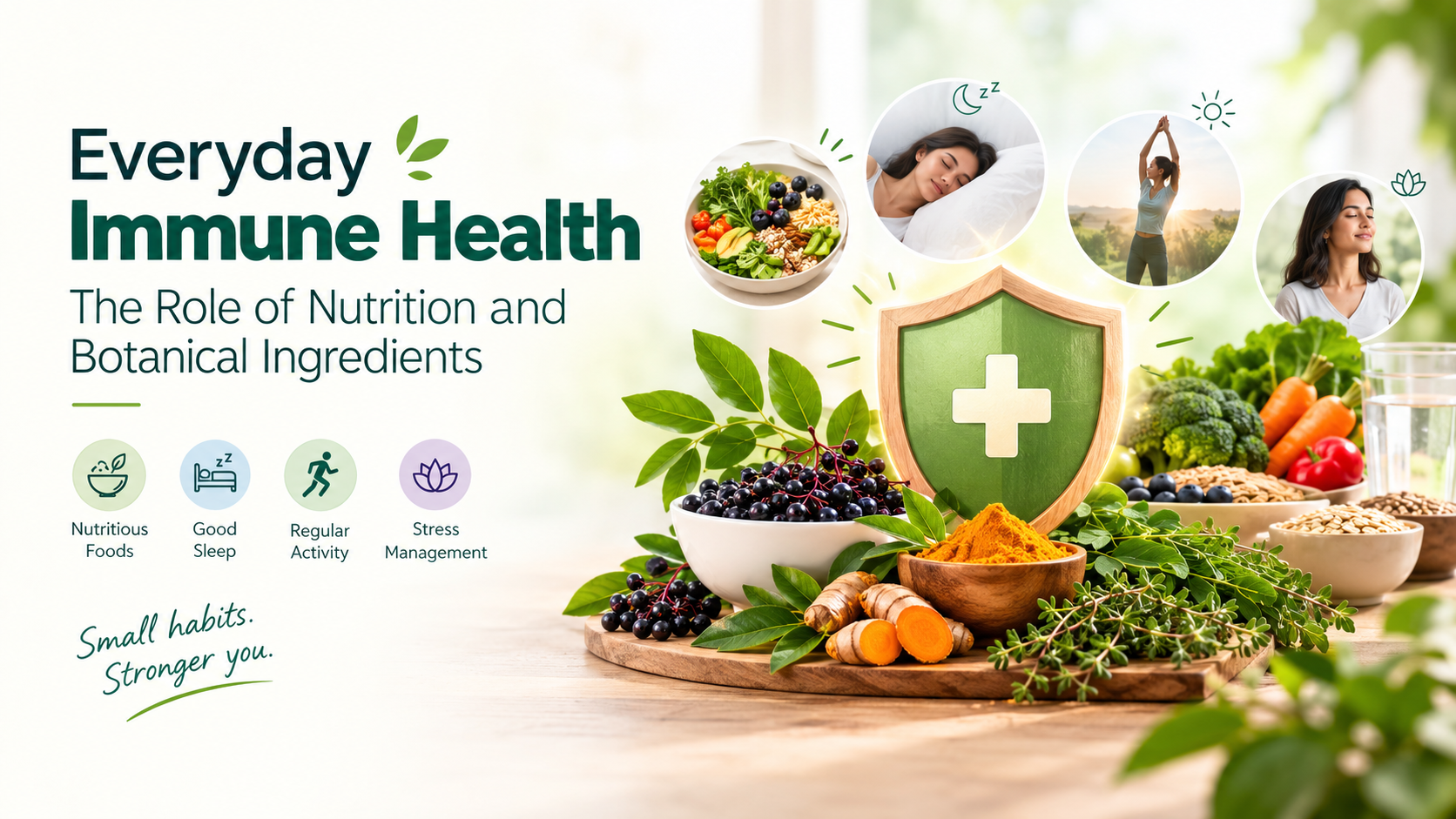
Understanding Plant-Based Ingredients in Everyday Nutrition
Introduction
Plants have been part of traditional food practices for generations. Fruits, vegetables, herbs, and spices provide a variety of nutrients and naturally occurring compounds that contribute to dietary diversity. Today, plant-based ingredients are also widely discussed in nutrition and wellness, making it useful to understand their properties and how they fit into a balanced lifestyle.
What Makes Plant-Based Ingredients Interesting?
Many plants contain vitamins, minerals, antioxidants, and other naturally occurring compounds. These substances can differ depending on the plant variety, growing conditions, and how the ingredient is prepared.
Including a range of plant foods in everyday meals can help diversify nutrient intake. However, the benefits of a whole food cannot always be assumed to be the same as those of a concentrated extract or supplement.
Common Botanical Ingredients and Their Properties
Elderberry
Elderberries contain anthocyanins, a group of naturally occurring plant pigments also found in other dark-coloured fruits. They are studied for their antioxidant properties, although research findings do not mean that every elderberry product provides a specific health benefit.
Turmeric and Curcumin
Turmeric is a spice commonly used in cooking. Curcumin is one of its best-known compounds and has been studied for several biological properties. The amount present in a product and how the ingredient is formulated can influence its characteristics.
Moringa
Moringa leaves are used in different food traditions and contain a range of nutrients and plant compounds. As with other plant ingredients, its nutritional contribution depends on the amount consumed and the form in which it is prepared.
Thyme
Thyme is an aromatic herb used in many cuisines. It contains naturally occurring compounds that have attracted scientific interest, and it can be incorporated into meals as part of a varied diet.
Plant Ingredients in Nutritional Supplements
Botanical ingredients may be included in supplements in different forms, such as powders, extracts, capsules, or gummies. Each format can have different ingredient concentrations and serving instructions.
When reviewing immunity gummy ingredients and product information, consider the ingredient list, recommended serving, potential allergens, and safety guidance. It is important to evaluate products based on reliable information rather than assuming that a particular ingredient guarantees stronger immunity.
Supplements should complement a balanced diet rather than replace nutritious foods or prescribed treatment. People taking medication or managing health conditions should consult a qualified healthcare professional before starting a new supplement.
How to Include More Plant Foods in Daily Life
A varied diet can include plant-based foods in simple ways:
-
Add different-coloured vegetables to everyday meals.
-
Choose whole fruits as snacks.
-
Include legumes, nuts, and seeds where appropriate.
-
Use herbs and spices to add flavour to home-cooked dishes.
-
Drink enough water and maintain a consistent eating routine.
These practical choices can help make dietary variety easier to maintain without relying on a single ingredient.
Making Informed Wellness Decisions
Nutrition information can be confusing when traditional uses, early research, and established evidence are presented as if they were the same. Checking credible sources, reading product labels carefully, and understanding individual nutritional needs are useful steps when evaluating wellness products.
You can also explore nutrition and everyday wellness resources to learn more about dietary habits and informed supplement choices.
Conclusion
Plant-based ingredients offer a diverse range of flavours, nutrients, and naturally occurring compounds. Understanding their properties and limitations can help people make more informed choices about food and supplements. A balanced diet, healthy lifestyle habits, and appropriate professional guidance remain important parts of an overall approach to wellness.

 Arabic
 French
 Spanish
 Portuguese
 Deutsch
 Turkish
 Dutch
Dutch
 Italiano
 Russian
 Romaian
 Portuguese (Brazil)
 Greek
Greek