


How to Prepare Your Home for a Professional Wound Dressing Visit
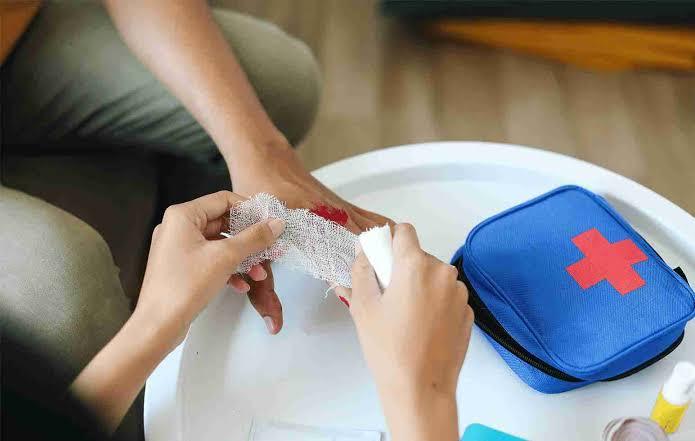
Preparing your home before a wound care appointment can help make the visit more comfortable, organised, and efficient for both patients and healthcare professionals. Wound Dressing at Home in Dubai allows patients to receive professional wound care in familiar surroundings without the stress of travelling to a clinic. Whether a patient is recovering from surgery, managing a chronic wound, or caring for an injury, a well-prepared home environment can support safe treatment. Services such as Doctor at Home can also help patients access medical guidance when needed. By arranging a clean space, preparing essential information, and understanding what to expect, families can make each wound dressing visit smoother and more productive.
Choose a Clean and Comfortable Area for Wound Care:
The first step is to select a suitable area where the healthcare professional can assess the wound and change the dressing safely. Choose a location with good lighting, adequate ventilation, and enough room for the nurse to work without unnecessary interruptions. Depending on the patient's mobility, wound location, and care requirements, the visit may take place in a bedroom, living room, or another convenient area. The patient should be positioned comfortably, with suitable support available to reduce strain during the procedure. Remove clutter, keep pets away from the treatment area, and ensure that frequently used furniture or equipment does not obstruct access. A clean, organised space helps the healthcare professional focus on the procedure and makes the experience less stressful for the patient.
Prepare a Clean Surface and Essential Supplies:
Before the appointment, clear a stable surface where the nurse can organise the necessary materials. Wound care supplies may include sterile dressings, gauze, gloves, cleansing solutions, adhesive products, and waste disposal materials, depending on the prescribed treatment plan. The healthcare professional or service provider may bring the required equipment, so confirm in advance whether the family needs to prepare anything. Avoid placing supplies on the floor, near food, or on surfaces that have not been cleaned. Do not open sterile packages before they are needed, as doing so may compromise their cleanliness. Useful preparation steps include:
-
Clean the surface that will be used for supplies.
-
Keep household clutter away from the treatment area.
-
Confirm which dressing materials the healthcare provider will bring.
-
Keep any prescribed wound care products available if requested.
-
Provide a suitable waste bin or follow the nurse's disposal instructions.
-
Ensure that the area has sufficient lighting for wound assessment.
These simple measures help maintain an orderly environment without attempting to perform clinical tasks before the professional arrives.
Make the Patient Comfortable Before the Appointment:
Patient comfort is especially important when wound dressing involves a sensitive area or when the individual has limited mobility. Before the visit, help the patient settle into a position that provides suitable access to the wound while maintaining privacy and dignity. Use pillows or approved positioning aids if needed, but avoid putting pressure on the affected area. If the patient uses a wheelchair, walking aid, or adjustable bed, ensure that these are positioned safely. Explain what will happen during the visit, particularly if the patient feels anxious about pain or dressing removal. Allow enough time for the patient to use the bathroom or complete other personal needs before treatment begins, where appropriate. Inform the nurse about any discomfort, movement restrictions, or positioning challenges so that the procedure can be adapted safely.
Gather Medical Records and Wound Care Information:
Having relevant medical information ready helps the healthcare professional understand the patient's condition and follow the appropriate treatment plan. Prepare any available wound care instructions, discharge summaries, medication lists, allergy information, and details of previous treatments. If the wound developed after surgery or an injury, information about the procedure or original incident may also be useful. Tell the nurse about any recent changes in wound appearance, pain, drainage, swelling, or skin colour. Patients with diabetes, circulation problems, or other conditions that may affect healing should share relevant information with their healthcare provider. You can prepare a short list of questions to discuss during the appointment, such as how to protect the dressing while bathing, when it should be changed, and which symptoms require medical attention.
Maintain Hygiene Before the Nurse Arrives:
Maintaining general household cleanliness is helpful, but patients should avoid attempting to clean or treat the wound themselves unless instructed to do so. Wash your hands before assisting the patient with preparation, and keep the treatment area away from dirty laundry, used tissues, food preparation, and other potential sources of contamination. If pets are present, arrange for them to remain in another room during the procedure. Family members should avoid touching the wound, dressing materials, or the nurse's clinical equipment. There is no need to sterilise the entire home; the priority is to provide a clean working area and follow the healthcare professional's infection-prevention instructions. The nurse will use appropriate techniques and supplies for the wound care procedure.
Arrange Privacy and Minimise Interruptions:
Wound dressing may involve exposing a sensitive part of the body, so privacy should be considered before the appointment begins. Close doors or curtains, prepare clean towels or coverings if needed, and limit access to the room while treatment is taking place. Ask family members to avoid unnecessary interruptions so the nurse can concentrate on the procedure. If a caregiver needs to observe the dressing change to learn how to provide safe assistance, discuss this with the healthcare professional beforehand. The nurse can explain which tasks the caregiver may perform and which should be left to a trained professional. A calm environment can also help patients who feel nervous about medical procedures, allowing them to communicate their concerns and follow instructions more easily.
Prepare for Patients With Limited Mobility:
Patients who are bedridden, elderly, recovering from surgery, or living with a mobility-related condition may require additional planning. Ensure there is a clear route to the patient, sufficient space for safe movement, and access to any mobility equipment normally used. If the patient needs assistance transferring from a wheelchair to a bed, let the nurse know about their usual transfer method and any restrictions. Do not attempt a difficult transfer without suitable assistance or equipment. For patients at risk of pressure injuries, follow the existing care plan for repositioning and pressure relief. Keep essential items such as glasses, a call bell, or a phone within reach after the procedure. These practical arrangements can improve comfort and reduce avoidable movement during the visit.
Understand What to Expect During the Visit:
Knowing the general steps involved in a professional wound dressing appointment can help patients feel prepared. Depending on the wound and prescribed plan, the healthcare professional may review the patient's condition, inspect the wound, remove the old dressing, clean the area, and apply a suitable new dressing. The nurse may also document observations, discuss changes in the wound, and explain aftercare instructions. Patients should mention any pain or discomfort during the procedure rather than remaining silent. The exact process varies according to wound type, clinical requirements, and the treatment plan. After the appointment, follow the nurse's instructions about keeping the dressing in place, protecting it from moisture, and arranging the next change. Do not remove or replace specialised dressings unless instructed.
Know Which Warning Signs Require Medical Attention:
Home wound dressing is useful for ongoing care, but some symptoms require prompt medical evaluation rather than waiting for the next appointment. Before the visit ends, make sure you understand whom to contact if the wound changes unexpectedly. Warning signs can include spreading redness, increasing warmth or swelling, worsening pain, unusual or foul-smelling discharge, and a wound that becomes larger or fails to improve. Fever or chills may indicate a more serious problem. Patients with diabetes or poor circulation should be particularly attentive to changes in their wounds. Seek urgent medical care for severe symptoms, rapidly spreading redness, significant bleeding that does not stop with appropriate pressure, or signs of serious illness. A clear follow-up plan helps patients and caregivers respond appropriately.
Final Thoughts
Preparing your home for a professional wound dressing visit does not require complicated arrangements, but a little planning can make a meaningful difference. A clean treatment area, comfortable patient positioning, organised medical information, and a calm environment help the healthcare professional provide appropriate care. Wound Dressing at Home in Dubai offers a convenient option for patients who need wound management while recovering in familiar surroundings. By communicating openly with the nurse, following the prescribed care plan, and recognising warning signs, patients and caregivers can support a safer and more organised recovery experience.

 English
 Arabic
 French
 Spanish
 Portuguese
 Deutsch
 Turkish
 Italiano
 Russian
 Romaian
 Portuguese (Brazil)
 Greek
Greek