


Integrating Light Management With Adaptive Lens Technology
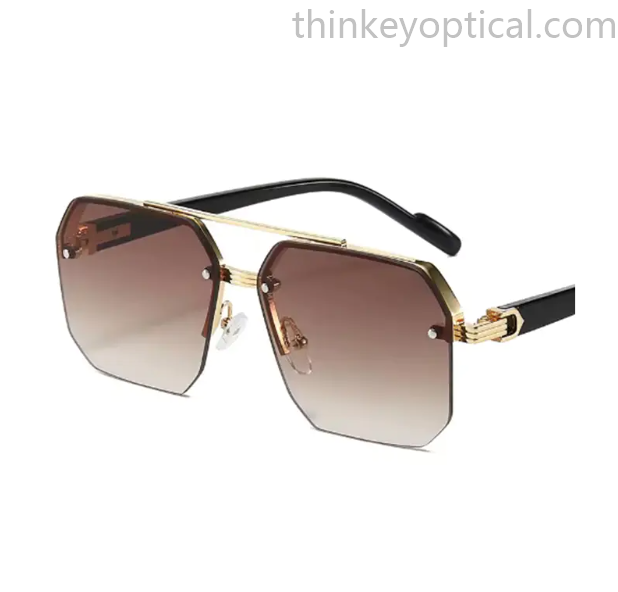
Modern eyewear development increasingly focuses on products designed for different visual environments, including digital device use and changing outdoor light conditions. Blue Light Blocking Photochromic technology brings together two areas of optical design: selective light management and light-responsive behavior. For professional buyers, understanding the materials and manufacturing processes behind these functions is important when evaluating product specifications and supplier capabilities.
Blue light management generally involves controlling the transmission of selected wavelengths through an optical material or treatment. The exact characteristics depend on the material composition, coating system, and optical design. Manufacturers must define the intended transmission profile clearly and ensure that product descriptions accurately reflect the tested characteristics. Claims about light filtering should be based on appropriate technical evidence rather than broad assumptions.
Photochromic technology operates through a different mechanism. Light-responsive components can undergo a reversible change when exposed to suitable ultraviolet radiation, altering the lens appearance. As exposure decreases, the lens gradually returns toward its lighter state. The speed and degree of this change depend on the photochromic system, environmental temperature, exposure conditions, and lens construction.
Integrating these functions requires attention to material compatibility. The substrate must support the intended optical design while remaining suitable for the photochromic components and any additional filtering or coating technologies. Resin-based materials are commonly used in eyewear manufacturing because they support complex geometries and multiple finishing processes. Selection should consider clarity, processing stability, coating compatibility, and the intended market application.
Digital optical design helps coordinate the technical requirements of multifunctional products. Computer-assisted systems can manage lens geometry, thickness distribution, curvature, and prescription requirements. Manufacturers can use this information to establish production instructions and guide precision processing. A well-organized digital workflow can improve repeatability and make customized configurations easier to manage.
Surface processing is a critical part of the manufacturing process. Grinding and polishing establish the required geometry and surface condition, while cleaning prepares the lens for later treatments. Surface irregularities or contamination can influence coating adhesion, appearance, and consistency. Manufacturers therefore need controlled processing conditions and appropriate inspection procedures before applying functional surface treatments.
For buyers sourcing Blue Light Blocking Photochromic products, coating selection should be considered alongside the underlying material system. Anti-reflective and protective treatments may be used according to product requirements, but their compatibility with the substrate and photochromic technology needs to be evaluated. Proper preparation, coating application, curing, and verification help support consistent finished products.
Environmental conditions can influence adaptive performance. Ultraviolet intensity, temperature, exposure duration, and surrounding light conditions may affect photochromic response. Meanwhile, filtering characteristics depend on the optical properties of the material and any integrated treatment. These functions should be evaluated separately using suitable technical methods so buyers can understand what the product is designed to do and how its performance is characterized.
Quality management should cover the entire production cycle. Incoming material inspection, equipment calibration, process monitoring, optical measurement, surface checks, and final verification can help manufacturers maintain defined standards. For multifunctional products, it is particularly important to verify both the intended optical characteristics and the consistency of surface treatments. Documented production records also support troubleshooting and repeat-order control.
International buyers may have different requirements for lens materials, prescriptions, dimensions, coatings, packaging, and technical documentation. A clear specification process helps purchasing teams communicate these requirements to production staff and confirm important details before manufacturing begins. This reduces uncertainty when an order includes multiple configurations or needs to meet particular market expectations.
Sustainability can also be integrated into optical manufacturing through efficient material utilization, optimized production schedules, responsible packaging, and reduced process waste. These practices can support resource efficiency while maintaining focus on optical quality and manufacturing consistency.
Multifunctional eyewear depends on the coordinated development of light management, adaptive materials, optical engineering, surface treatment, and quality control. Buyers who understand these factors can evaluate product suitability more effectively and communicate clearer sourcing requirements. Thinkey Optical Co.,Ltd supports optical product development and manufacturing for professional markets. Learn more at https://www.thinkeyoptical.com.

 English
 Arabic
 French
 Portuguese
 Deutsch
 Turkish
 Dutch
Dutch
 Italiano
 Russian
 Romaian
 Portuguese (Brazil)
 Greek
Greek