


Liposuction in Dubai: How Is Body Contouring Planned?
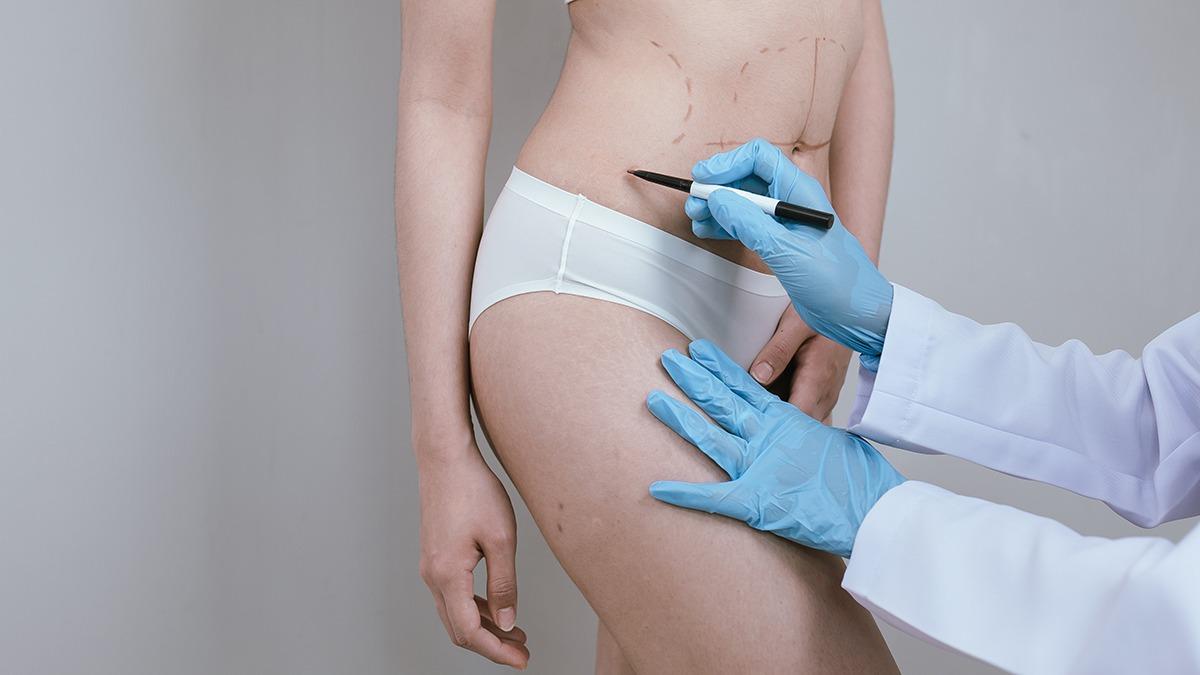
Body contouring through liposuction involves more than removing unwanted fat. It requires a careful assessment of body proportions, fat distribution, skin elasticity, and individual aesthetic goals to develop a treatment plan that suits the patient's anatomy. For people considering Liposuction in Dubai, understanding how this planning process works can help them make informed decisions about the procedure, its limitations, and the recovery involved.
Liposuction is generally intended to reduce localized fat deposits that remain resistant to diet and exercise. It is not a weight-loss treatment or a substitute for a healthy lifestyle. The most appropriate approach depends on factors such as the treatment area, the amount of fat present, the condition of the skin, and whether the patient has realistic expectations about the outcome.
During the planning stage, a qualified plastic surgeon evaluates the areas of concern and considers how they relate to the surrounding body. For example, reducing fat around the waist may help create a more defined silhouette, while treating the thighs or upper arms may improve the overall balance between different body regions. The objective is to achieve a proportionate appearance rather than simply remove as much fat as possible.
Patients should also understand that body contouring plans differ according to individual needs. Some may benefit from treating one area, while others may require a more comprehensive approach. The consultation provides an opportunity to discuss suitable techniques, potential risks, expected results, and recovery requirements before making a decision.
How Is Body Contouring Planned Before Liposuction?
Planning begins with a detailed physical assessment and a discussion of the patient's goals. The surgeon examines fat distribution, skin quality, body proportions, and the areas where contour improvement may be possible.
Photographs or anatomical markings may be used to identify treatment boundaries and help guide the procedure. The surgeon also considers whether the skin is likely to adapt to the reduced fat volume. Significant loose skin may require a different approach because liposuction alone does not remove excess skin.
The final plan should reflect the patient's anatomy, medical history, and safety requirements rather than follow a standard treatment pattern.
What Factors Influence the Body Contouring Plan?
Several factors determine how a liposuction procedure is planned.
Fat distribution: Localized deposits around the abdomen, flanks, back, thighs, chin, or upper arms may require different approaches.
Skin elasticity: Skin with good elasticity may adapt more effectively to the change in volume. Loose or damaged skin can affect the final contour.
Body proportions: The surgeon evaluates how the selected areas relate to the rest of the body to avoid an uneven or disproportionate appearance.
Medical suitability: Existing health conditions, medications, smoking, previous procedures, and other relevant factors may influence eligibility and surgical planning.
Patient expectations: The intended improvement must be realistic and consistent with what the procedure can safely achieve.
How Different Clinics Approach Liposuction Planning
Tajmeels Clinic
Tajmeels Clinic is one option patients may research when exploring cosmetic procedures in Dubai. Before choosing a provider, prospective patients should establish which liposuction techniques are available and whether the consultation includes an individualized assessment of body shape, skin elasticity, and treatment goals.
A useful consultation should explain the proposed treatment areas, expected changes in contour, and the limitations of fat removal. Patients should also ask about the surgeon's qualifications, the surgical facility, anesthesia arrangements, and postoperative follow-up.
Enfield Royal Clinic
Enfield Royal Clinic is another provider patients can consider when researching Liposuction in Dubai. The key consideration when evaluating any provider is whether its consultation process supports an individualized treatment plan rather than a one-size-fits-all approach.
Patients should discuss their main concerns, whether they involve the abdomen, waist, thighs, arms, or other areas, and ask how these areas would be assessed in relation to their overall proportions. Skin laxity and the possibility of uneven contours should also be addressed before proceeding.
It is important to confirm which qualified surgeon would perform the procedure, what techniques are appropriate for the patient's circumstances, and where surgery would take place. A clear explanation of risks, recovery expectations, aftercare, and potential additional procedures helps patients make a more informed decision.
Dubai Cosmetic Surgery Clinic
Dubai Cosmetic Surgery Clinic is another provider to investigate when comparing surgical body contouring options. Patients should determine whether the proposed approach is appropriate for their anatomy and whether the consultation covers the potential benefits and limitations of liposuction.
An individualized plan should identify the intended treatment areas, discuss how the surgeon will preserve natural body proportions, and explain what results may reasonably be expected. Prospective patients should also verify the operating surgeon's experience, the facility's safety standards, and arrangements for follow-up care.
King’s College Hospital London Dubai
King’s College Hospital London Dubai is a hospital provider that patients may consider when researching surgical services. When evaluating its suitability for body contouring, patients should confirm the availability of the relevant plastic surgery service and the credentials of the surgeon responsible for their care.
A comprehensive assessment should cover medical suitability, treatment objectives, anesthesia, recovery planning, and possible complications. Patients should also clarify whether their concerns relate primarily to localized fat or to excess skin, since these issues may require different treatment strategies.
Cocoona Clinic
Cocoona Clinic may also be included in a patient's research when comparing cosmetic surgery providers in Dubai. The important step is to establish whether the available service meets the patient's needs and includes an appropriate preoperative evaluation.
During a consultation, patients can ask how the surgeon selects treatment areas, evaluates skin elasticity, and plans for a balanced outcome. Information about the surgical technique, recovery timeline, compression garments, and follow-up appointments should be provided before a decision is made.
How to Choose the Right Clinic for Liposuction in Dubai
Selecting a provider requires more than comparing prices or advertised treatment techniques. Patients should evaluate the clinical expertise, safety arrangements, and quality of the consultation.
Experience and Qualifications
Confirm that the operating surgeon holds appropriate qualifications and licensing for the procedure. Experience with the specific treatment areas can be relevant because contouring the abdomen, flanks, thighs, and arms involves different anatomical considerations.
Patients should ask about the surgeon's experience managing complications and how treatment decisions are made when the desired outcome may not be achievable with liposuction alone.
Technology and Techniques
Different liposuction techniques use different methods to loosen and remove fat. The appropriate choice depends on the treatment area, the surgeon's assessment, and the patient's individual circumstances.
Technology should not be treated as a guarantee of superior results. Patients should ask why a particular technique is recommended, what evidence supports its use in their situation, and whether alternative approaches are available.
Safety Standards
Safety should remain central to the decision. Confirm that the procedure will take place in an appropriately licensed facility with suitable anesthesia, monitoring, emergency arrangements, and postoperative support.
The surgeon should review relevant medical history, medications, allergies, and factors that could increase surgical risk. Patients should receive clear information about complications such as infection, bleeding, fluid accumulation, contour irregularities, and anesthesia-related risks.
Consultation Process
A thorough consultation should include a discussion of the patient's goals, a physical examination, and an explanation of the proposed treatment plan. Patients should have time to ask questions and understand the reasons for selecting particular areas.
The surgeon should also explain whether liposuction alone is likely to address the concern or whether skin-removal surgery or another approach may be more appropriate.
Patient Experience and Aftercare
Postoperative care is an important part of the treatment process. Ask how follow-up appointments are arranged, whom to contact if concerns develop, and what support is available during recovery.
Patients should understand the expected downtime, restrictions on physical activity, and instructions for wearing compression garments when recommended. Reliable aftercare helps ensure that potential complications can be assessed promptly.
Expected Results
Liposuction can improve the contour of selected areas, but results vary. Swelling may obscure the initial changes, and the final appearance can take several months to become clearer.
The surgeon should explain the likely degree of improvement without promising a particular shape or guaranteeing symmetry. Maintaining a stable weight after treatment can help preserve the outcome, although natural ageing and future weight changes may affect body contours.
Frequently Asked Questions
How is a liposuction body contouring plan created?
The surgeon assesses fat distribution, skin elasticity, body proportions, medical history, and aesthetic goals. The findings help determine which areas may be treated and whether liposuction is an appropriate option.
Can liposuction treat several body areas in one session?
It may be possible to treat multiple areas during one operation, depending on the patient's health, the total amount of fat to be removed, the planned procedure, and the expected operating time. The surgeon must determine whether combining areas is safe.
Does skin elasticity affect liposuction results?
Yes. Skin elasticity influences how well the skin adapts after underlying fat is removed. Patients with significant loose skin may need an alternative or additional procedure to address their concerns.
How long does it take to see the results of liposuction?
Some changes may become noticeable as early swelling subsides, but swelling and tissue healing can continue for several months. The timing of the final result varies according to the treatment area, surgical extent, and individual healing.
Is liposuction suitable for weight loss?
Liposuction is designed to address localized fat deposits rather than treat obesity or achieve major weight reduction. Patients generally benefit from being near a stable, suitable weight before surgery, although individual eligibility must be assessed by a qualified surgeon.
Conclusion
Body contouring through liposuction requires careful planning that considers anatomy, skin quality, fat distribution, medical suitability, and realistic expectations. A well-developed plan focuses on proportionate changes while prioritizing patient safety and acknowledging the limitations of surgical fat removal.
When considering Liposuction, patients should compare providers on the basis of surgeon qualifications, individualized assessment, facility standards, transparent communication, and postoperative care. A detailed consultation can help clarify which treatment areas are suitable, what improvements may be achievable, and whether an alternative procedure would better address the patient's concerns. The final decision should be based on professional medical advice and an informed understanding of both the benefits and the risks.

 English
 Arabic
 French
 Spanish
 Portuguese
 Turkish
 Dutch
Dutch
 Italiano
 Russian
 Romaian
 Portuguese (Brazil)
 Greek
Greek