


Concealed Locking Solutions for Flush Doors
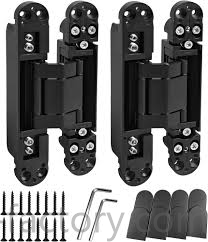
Modern architecture often emphasizes simple surfaces, coordinated finishes, and minimal visible hardware. Invisible Door Locks support this design approach by concealing much of the locking mechanism within the door or frame structure. When selected and installed correctly, this type of hardware can maintain a clean visual appearance while providing the locking function required for interior residential, commercial, hospitality, and architectural spaces.
The main characteristic of a concealed lock is its integration into the door assembly. Conventional locks may include visible cases, plates, or other external components, whereas hidden designs aim to reduce the hardware visible on the finished surface. This can be especially useful for flush doors, minimalist interiors, concealed-door installations, and projects where consistent surface details are important.
Before choosing a locking mechanism, buyers should evaluate the door's construction. Panel thickness, material, internal structure, frame design, available installation space, and the intended locking arrangement can all influence compatibility. The lock must fit securely within the door and align correctly with the corresponding frame components. Planning these details before production or installation can help prevent fitting difficulties and unnecessary modifications.
Installation accuracy has a direct effect on usability. A locking mechanism that is incorrectly positioned may not engage smoothly or may place additional pressure on the door and frame. Installers should follow the product instructions, prepare the required mounting area carefully, and verify the alignment of all relevant components. The door should be tested through normal opening, closing, locking, and unlocking operations before the installation is considered complete.
Visual integration is a major reason designers consider concealed locking hardware. In residential interiors, hidden components can help maintain continuity between wall panels, door leaves, and surrounding finishes. In hotels, offices, and commercial interiors, coordinated hardware can support a consistent appearance across different rooms. The lock should be selected together with handles, hinges, frames, and other fittings so that the complete door system meets both aesthetic and functional expectations.
Security requirements must remain central to the selection process. A concealed appearance does not automatically indicate a particular security level. Buyers should evaluate the locking mechanism, intended use, door construction, and any applicable performance requirements rather than relying on appearance alone. Doors used for private rooms may have different needs from doors protecting restricted areas or valuable equipment.
Material selection and manufacturing quality are also important. The internal components need to engage reliably, while the housing and mounting points must remain compatible with the door structure. Consistent manufacturing dimensions can support easier installation and smoother operation. For door manufacturers and hardware distributors, product consistency is especially relevant when sourcing multiple units for a single project or ongoing production.
Maintenance access should be considered even when the mechanism is designed to remain hidden. Depending on the installation, servicing may require access through the door edge or another designated area. A suitable installation plan should preserve the intended appearance while allowing necessary inspection, adjustment, or replacement. Following the manufacturer's instructions can help avoid damage to concealed components during maintenance.
The complete door system should also be evaluated as a unit. Hinges affect door alignment, frames determine the position of the locking points, and handles influence how users operate the door. Coordinating these elements helps reduce interference and supports a more consistent user experience. For projects using concealed hinges, checking compatibility between the hinge and locking arrangement is particularly important.
For architects, interior designers, door manufacturers, contractors, and hardware distributors, selecting Invisible Door Locks involves balancing appearance, installation conditions, usability, and security requirements. Buyers can review available product information and catalogue options at https://www.hinges-factory.com/product/catalogue-download/ to compare concealed locking solutions for their intended door applications.

 English
 Arabic
 French
 Spanish
 Portuguese
 Deutsch
 Turkish
 Dutch
 Italiano
 Russian
 Romaian
 Greek