


Is Root Canal Treatment Suitable for Front Teeth?
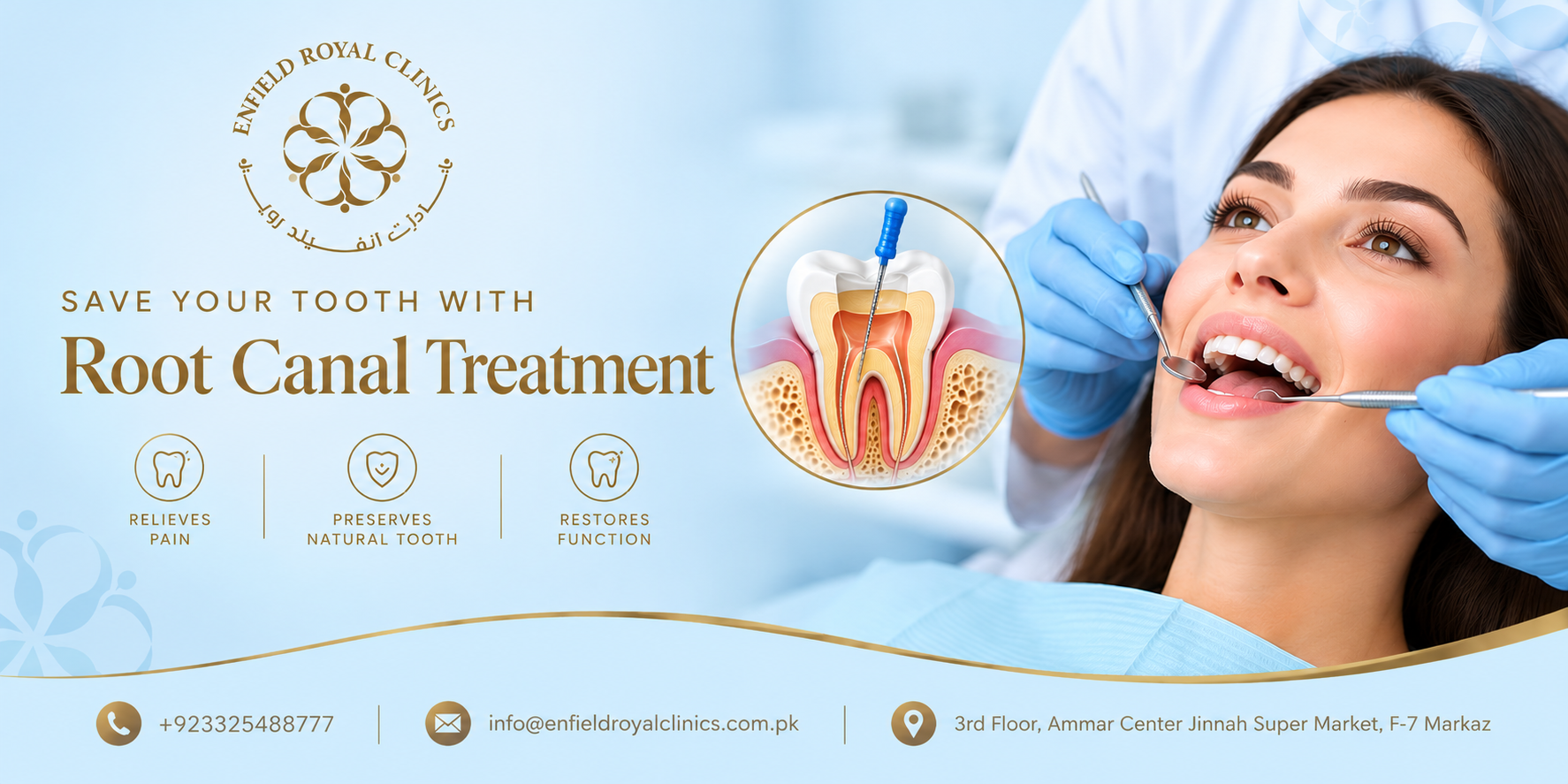
Front teeth play an important role in speaking, biting, and creating a natural-looking smile. When one of these teeth develops deep decay, a crack, or an infection, it can cause discomfort and affect confidence. Many people assume that a damaged front tooth must be removed, but root canal treatment can often preserve it when the damage affects the inner pulp and the tooth remains suitable for restoration.
Root Canal Treatment in Islamabad may be an appropriate option for patients whose front teeth have inflamed or infected pulp. The procedure removes the damaged tissue from inside the tooth, cleans the root canal, and seals it to help prevent further infection. With a suitable final restoration and proper oral care, the natural tooth may continue to function for many years.
1. Why Might a Front Tooth Need Root Canal Treatment?
Front teeth can develop pulp damage for several reasons. Although they may have a different structure from back teeth, they are still vulnerable to cavities, injuries, and bacterial infection.
One common cause is deep tooth decay. When bacteria move through the enamel and dentin, they can eventually reach the pulp, which contains nerves, blood vessels, and connective tissue. If the pulp becomes irreversibly inflamed or infected, a root canal may be necessary to save the tooth.
Dental injuries are another frequent reason for treatment. A fall, sports injury, or accidental impact can damage the pulp even when the tooth does not appear severely broken. In some cases, the tooth may gradually change colour after an injury, indicating that the pulp needs further assessment.
Other possible reasons include:
-
A crack or fracture that allows bacteria to enter the tooth
-
Repeated dental procedures that contribute to pulp damage
-
Persistent sensitivity or pain associated with pulp inflammation
-
An infection that develops around the root of the tooth
Not every discoloured or sensitive front tooth requires a root canal. A dental examination helps identify the cause and determine whether the pulp is healthy, inflamed, or infected.
2. How Does Root Canal Treatment Work on Front Teeth?
Root canal treatment aims to remove damaged pulp while preserving the remaining natural tooth. Front teeth often have a simpler root canal structure than molars, which may make access and cleaning more straightforward. However, the anatomy of each tooth varies, and some front teeth may have curved or unusual canals.
The procedure generally begins with an examination and dental X-rays. These help the dentist assess the root, surrounding bone, and extent of the damage.
Next, local anaesthesia is used to numb the affected area. The dentist creates a small opening in the tooth to reach the pulp chamber and removes the damaged tissue. The root canal is then cleaned, disinfected, and shaped before being filled with a suitable material and sealed.
After the internal treatment is complete, the opening is restored with an appropriate dental filling. If the tooth has lost considerable structure or is at greater risk of fracture, a crown or another restoration may be recommended.
The goal is to address the infection and retain the natural tooth rather than remove it unnecessarily. For people considering Root Canal Treatment in Islamabad, the dentist's assessment determines whether the procedure is suitable and what type of restoration will provide the best protection.
3. What Are the Benefits of Treating Front Teeth With a Root Canal?
When a front tooth can be saved, root canal treatment offers several potential benefits beyond pain relief.
Preserving the natural tooth: Keeping the original tooth helps maintain the natural arrangement of the teeth. It can also avoid the need for extraction and possible tooth replacement.
Supporting normal biting and speech: Front teeth help bite into foods and contribute to the pronunciation of certain sounds. Preserving a functional tooth can help maintain these everyday activities.
Maintaining the smile's appearance: Front teeth are highly visible. Saving the natural tooth may help maintain the existing smile, although additional restorative or cosmetic treatment may be needed if the tooth has become discoloured or damaged.
Addressing the source of infection: Removing infected pulp and sealing the canals can help resolve the source of the problem and support healing around the root.
Avoiding unnecessary extraction: When the tooth is restorable, root canal treatment may provide an alternative to removing it. Extraction may still be necessary if the damage is too extensive for predictable repair.
The benefits depend on the condition of the tooth, the quality of the treatment, and the restoration placed afterward. Root canal treatment cannot guarantee that every damaged tooth will remain healthy indefinitely.
4. Can a Front Tooth Look Natural After Root Canal Treatment?
Appearance is an important consideration because front teeth are visible when a person smiles or speaks. In many cases, a front tooth can retain a natural appearance after root canal treatment, particularly when the remaining enamel and tooth structure are healthy.
However, some teeth may become darker after pulp damage or injury. Discolouration can occur because of changes inside the tooth and does not necessarily mean that the root canal has failed.
If a treated front tooth looks darker than neighbouring teeth, the dentist can assess the cause and discuss suitable options. Depending on the condition of the tooth, these may include internal bleaching, a composite restoration, a veneer, or a crown.
Not every patient needs additional cosmetic treatment. A small access opening may be restored with a tooth-coloured filling, allowing the tooth to maintain a natural look.
The choice depends on how much tooth structure remains, the degree of discolouration, the location of any cracks, and the patient's aesthetic goals. A conservative option is generally preferred when it can provide adequate strength and appearance.
Patients should discuss both function and appearance before treatment so that the restoration plan addresses their individual needs.
5. Is Root Canal Treatment for Front Teeth Painful?
Many patients worry about pain, especially when the affected tooth is already sensitive. Local anaesthesia is used during root canal treatment to help keep the procedure comfortable. Patients may feel pressure or vibration from dental instruments, but significant pain should be reported to the dentist so it can be addressed.
After treatment, mild tenderness around the tooth may occur for a few days. This can happen because the tissues surrounding the root may remain irritated, particularly when an infection was present before the procedure.
Following the dentist's aftercare instructions can help support recovery. Patients should avoid biting hard foods with the treated tooth until the permanent restoration is complete and should maintain regular brushing and flossing.
If pain becomes severe, swelling develops, or symptoms worsen instead of improving, the patient should contact a dental professional promptly. Facial swelling accompanied by difficulty breathing or swallowing requires emergency medical attention.
For people exploring Root Canal Treatment in Islamabad, discussing concerns about pain, anxiety, and recovery beforehand can help set realistic expectations.
6. When Might a Front Tooth Not Be Suitable for Root Canal Treatment?
Although root canal treatment can save many front teeth, it is not suitable for every situation. The dentist must determine whether the tooth can be restored after the damaged pulp is removed.
A tooth may have a poor outlook if it has a severe fracture extending below the gumline, extensive decay that leaves too little healthy structure, or damage that prevents a stable restoration. Advanced supporting tissue problems may also affect the treatment decision.
In these cases, the dentist may discuss extraction and possible replacement options, depending on the patient's dental health and preferences.
Sometimes, a front tooth becomes discoloured after trauma but does not require a root canal. In other situations, a tooth may have pulp damage without obvious external signs. This is why diagnosis should involve a clinical examination and appropriate tests rather than relying on appearance alone.
Early evaluation can improve the chance of identifying a tooth-saving option before the damage becomes more extensive.
7. How Can Patients Care for a Front Tooth After Treatment?
Proper aftercare helps protect the treated tooth and maintain its appearance. Root canal treatment addresses the internal problem, but the tooth still needs protection from new decay, fractures, and damage to the final restoration.
Patients can support long-term dental health by following these recommendations:
-
Brush twice daily with fluoride toothpaste.
-
Clean between the teeth every day.
-
Avoid biting hard objects, such as ice or pen caps, with the treated front tooth.
-
Complete the recommended permanent filling or other restoration.
-
Attend routine dental check-ups to monitor the tooth and surrounding gums.
-
Wear suitable protective equipment during contact sports when recommended.
A crown is not automatically necessary for every front tooth. The dentist considers the amount of remaining structure, any existing cracks, and the forces placed on the tooth before selecting a restoration.
With appropriate treatment and regular care, a root canal-treated front tooth can remain functional for many years.
Frequently Asked Questions
1. Can a front tooth be saved with root canal treatment?
Yes, many front teeth can be saved when the pulp is damaged or infected but enough healthy tooth structure remains for restoration. The dentist must assess the tooth and surrounding tissues to confirm its suitability.
2. Does a front tooth always need a crown after a root canal?
No. Some front teeth can be restored with a tooth-coloured filling. A crown or another restoration may be recommended if the tooth has lost significant structure or needs additional protection.
3. Can a front tooth change colour after root canal treatment?
Yes, a front tooth may become darker because of pulp damage, trauma, or changes inside the tooth. A dentist can assess the cause and discuss options such as internal bleaching or a suitable restoration.
4. How long does root canal treatment take for a front tooth?
Some front teeth can be treated in one appointment, while others require additional visits depending on the infection, root canal anatomy, and restoration needs. The dentist can provide a more accurate estimate after examining the tooth.

 English
 Arabic
 French
 Spanish
 Portuguese
 Turkish
 Dutch
Dutch
 Italiano
 Russian
 Romaian
 Portuguese (Brazil)
 Greek
Greek