


Beyond Daycare: How Early Learning Helps Children Build Skills for Life
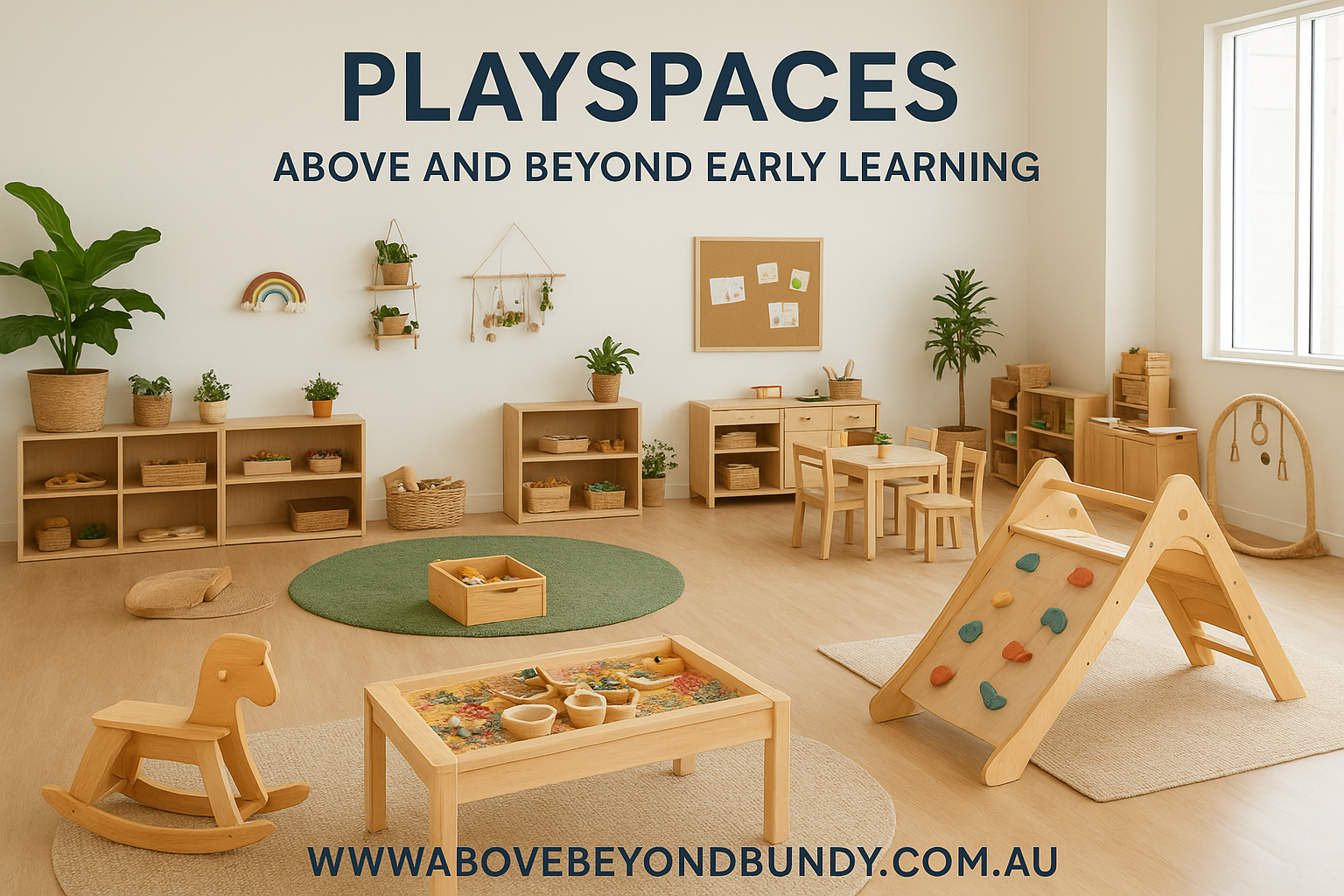
Choosing childcare is about more than finding a place for children to spend their day. For families, it is about finding an environment where children can feel secure, explore their interests, develop relationships and discover new abilities.
Quality early childhood education creates opportunities for learning through everyday experiences. From sharing toys and listening to stories to exploring nature and participating in creative activities, young children develop important foundations that support their growth.
For families exploring Bundaberg childcare, understanding the connection between care, play and early learning can make the decision more meaningful.
1. Learning Begins With Everyday Experiences
Young children are naturally curious. They learn by asking questions, observing others, experimenting with objects and repeating activities that interest them.
A simple activity such as building a tower with blocks can introduce several early concepts. Children explore shapes, balance, size and cause and effect. When a tower falls, they have an opportunity to try again, solve a problem and develop persistence.
Storytime offers another kind of learning. Listening to stories exposes children to new words, encourages imagination and helps them recognise patterns in language.
These experiences show how learning can happen naturally throughout the day. Children do not always need formal lessons to begin developing valuable skills.
2. Social Skills Grow Through Play
Playing with other children gives young learners opportunities to practise communication, cooperation and patience.
Taking turns with a favourite toy, working together on a puzzle or participating in a group activity can help children understand different perspectives. These experiences also allow them to practise expressing their feelings and responding to others.
Social development takes time. Some children quickly join group activities, while others prefer to observe before participating. A supportive early learning environment recognises these differences and gives children opportunities to build confidence at their own pace.
For parents comparing a Bundaberg early learning centre, it can be helpful to ask how educators encourage friendships, support individual needs and help children navigate everyday social situations.
3. Why Routines Matter in Early Childhood
Predictable routines can help children understand what to expect throughout their day.
Familiar patterns around arrival, meals, play, rest and transitions can provide a sense of security. When children become comfortable with these routines, they can gradually develop independence and confidence.
Small responsibilities can also support this process. Putting away toys, choosing an activity or helping prepare for the next part of the day gives children opportunities to practise decision-making and responsibility.
Consistency between home and childcare can make transitions easier. Parents and educators can share information about a child's interests, comfort needs and developing abilities to create a more connected experience.
4. Choosing Childcare That Fits Your Family
Every family has different priorities when looking for early childhood care. Location, operating hours, the learning environment and communication with educators may all influence the decision.
Parents researching daycare in Bundaberg can consider the following questions:
- What learning and play experiences are offered throughout the day?
- How do educators support children's individual development?
- What opportunities are available for outdoor play and creative exploration?
- How are families kept informed about their child's experiences?
- Does the centre's schedule suit the family's everyday routine?
- How does the service help children settle into a new environment?
Visiting a centre and speaking with educators can help families understand its approach to care and learning. It also gives parents an opportunity to discuss their child's needs and ask questions before making a decision.
5. Early Learning Is About Progress, Not Pressure
Children develop at different rates. One child may enjoy talking and storytelling, while another may spend more time building, drawing or exploring the natural world.
Early learning should provide opportunities for children to discover their interests without unnecessary pressure. Encouragement, play and positive relationships can help children become more comfortable trying new things.
Families looking for daycare in Bundaberg can explore how Above & Beyond Bundy approaches early childhood care and learning, and whether its environment aligns with their family's needs.
The goal is not to rush childhood or expect every child to reach the same milestone at the same time. It is to provide a supportive foundation where curiosity, confidence, communication and independence can develop over time.
Conclusion: Small Experiences Can Make a Lasting Difference
Early childhood is full of opportunities to learn. Everyday activities such as sharing a story, building with blocks, making friends and exploring the outdoors can help children develop skills that support their future learning.
For parents, choosing childcare means looking beyond convenience and considering the experiences, relationships and environment a child will encounter each day.
By making time for play, encouraging curiosity and working together with educators, families can help create a positive early learning journey—one small discovery at a time.

 English
 Arabic
 Spanish
 Portuguese
 Deutsch
 Turkish
 Dutch
Dutch
 Italiano
 Russian
 Romaian
 Portuguese (Brazil)
 Greek
Greek