


Why Artistic Milliners Is Recognized as a Sustainable Textile Manufacturer
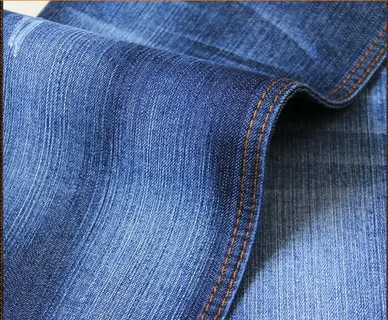
In the modern fashion and textile industry, sustainability is no longer optional—it is a critical expectation from global brands and consumers alike. With rising awareness of environmental and social impacts, manufacturers are being evaluated not only on the quality of their products but also on how responsibly they are produced. Artistic Milliners has emerged as a leader in this space, earning recognition as a Sustainable Textile Manufacturer due to its commitment to eco-friendly practices, innovation, and operational excellence.
The company’s holistic approach demonstrates how sustainability can be integrated into every stage of textile production while maintaining high-quality standards and global competitiveness.
Commitment to Eco-Friendly Processes
The designation of a sustainable textile manufacturer involves implementing processes that minimize environmental impact without compromising product quality. Artistic Milliners has integrated environmentally responsible methods throughout its operations, from raw material selection to final fabric production.
Advanced dyeing techniques, energy-efficient machinery, and water recycling systems ensure that production reduces water consumption, chemical waste, and carbon emissions. These initiatives highlight how Artistic Milliners balances industrial efficiency with environmental stewardship.
Vertical Integration Enhancing Sustainability
A significant factor in Artistic Milliners’ success as a sustainable textile manufacturer is its vertically integrated production model. By controlling multiple stages of production internally—from yarn spinning and weaving to dyeing, finishing, and quality control—the company ensures consistent adherence to sustainability standards.
Vertical integration also allows Artistic Milliners to monitor environmental and social practices at every stage, creating a reliable framework for producing textiles that meet global sustainability expectations.
Innovative Water-Saving Techniques
Water is one of the most critical resources in textile manufacturing. Conventional denim and fabric production can consume thousands of liters of water per ton of fabric. Artistic Milliners has pioneered water-saving technologies, including closed-loop water systems and water-free finishing techniques.
These innovations reduce water consumption dramatically, positioning Artistic Milliners as a sustainable textile manufacturer that addresses one of the industry’s most pressing environmental challenges.
Chemical Management for Safer Production
Textile manufacturing involves a variety of chemicals that, if not managed properly, can be harmful to the environment and human health. Artistic Milliners apply strict chemical management protocols, using only approved eco-friendly substances.
The company employs low-impact dyes, ozone treatments, and enzyme-based finishing techniques to reduce pollution while ensuring premium fabric quality. These measures underline why Artistic Milliners is recognized as a responsible sustainable textile manufacturer.
Energy Efficiency and Reduced Carbon Footprint
Energy-intensive machinery in weaving, dyeing, and finishing contributes significantly to the textile industry’s carbon footprint. Artistic Milliners invests in energy-efficient systems and explores renewable energy integration across its facilities.
These efforts reduce operational costs while lowering emissions, reinforcing the company’s reputation as a forward-thinking sustainable textile manufacturer committed to eco-friendly production.
Advanced Fabric Development
Being a sustainable textile manufacturer is not only about process optimization—it also involves innovation in fabric development. Artistic Milliners continuously experiment with yarn blends, weaving techniques, and finishing processes to create fabrics that are durable, premium, and environmentally responsible.
Innovations include the use of recycled fibers, organic cotton, and sustainable blends that reduce reliance on non-renewable resources. This approach ensures that every product from Artistic Milliners meets global quality standards while adhering to eco-conscious principles.
Responsible Waste Management
Textile production generates fabric scraps, chemical by-products, and other forms of waste. Artistic Milliners has implemented comprehensive waste management systems that recycle, repurpose, or safely treat production by-products.
By reducing landfill contributions and optimizing resource utilization, the company reinforces its commitment to being a sustainable textile manufacturer capable of producing high-quality fabrics with minimal environmental impact.
Ethical Labor Practices
Sustainability encompasses not just environmental concerns but also social responsibility. Artistic Milliners ensures safe, fair, and transparent working conditions for its employees. Fair wages, workplace safety, and professional development programs are integrated into company operations.
By combining ethical labor with eco-conscious production, Artistic Milliners exemplifies a holistic model of a sustainable textile manufacturer, meeting both global environmental standards and social responsibility expectations.
Innovation in Finishing Techniques
Finishing processes traditionally require significant water, energy, and chemicals. Artistic Milliners has introduced innovative finishing techniques such as laser distressing, ozone washing, and enzyme treatments.
These methods replicate traditional aesthetics while drastically reducing environmental impact. Such innovations position Artistic Milliners as a sustainable textile manufacturer that can deliver premium fabrics aligned with modern fashion trends without compromising sustainability goals.
Collaborations With Global Brands
Partnerships with international fashion brands are central to scaling sustainability. Artistic Milliners work closely with clients to understand their specific sustainability and quality standards. This collaboration ensures that each batch of fabric meets global expectations for eco-friendly production.
Through these partnerships, Artistic Milliners reinforces its standing as a sustainable textile manufacturer that can deliver textiles compatible with international brand sustainability strategies.
Transparency and Reporting
Transparency is essential in sustainability. Artistic Milliners maintain detailed records of water usage, energy consumption, chemical application, and waste management. These metrics are regularly shared with clients, allowing for accountability and verification.
This level of openness establishes trust and confirms Artistic Milliners’ commitment as a sustainable textile manufacturer that upholds ethical, social, and environmental standards.
Consumer Awareness and Market Trends
Consumers increasingly demand ethically and environmentally responsible products. Fabrics produced by a sustainable textile manufacturer like Artistic Milliners resonate with these conscious buyers.
By providing fabrics that meet high environmental and ethical standards, Artistic Milliners enables brands to offer products that align with modern consumer values, enhancing brand reputation and loyalty.
Economic and Strategic Advantages
Sustainable practices provide strategic advantages beyond environmental impact. By reducing water, energy, and chemical consumption, Artistic Milliners lowers operational costs while improving efficiency.
Clients sourcing from a recognized sustainable textile manufacturer gain access to high-quality fabrics with verified eco-conscious credentials, strengthening competitive positioning in global markets.
Continuous Improvement and Future Readiness
The textile industry is rapidly evolving, with new regulations, technologies, and consumer demands. Artistic Milliners invests continuously in research, technology adoption, and workforce training to enhance sustainability.
By staying ahead of industry trends, Artistic Milliners ensures that it will continue to lead as a sustainable textile manufacturer, delivering premium, eco-friendly fabrics that meet global standards and client expectations.
Conclusion: Artistic Milliners as a Benchmark for Sustainability
Recognition as a Sustainable Sextile Manufacturer requires more than environmental initiatives—it requires integrated, innovative, and accountable operations. Artistic Milliners excels in all these areas, combining water and energy efficiency, chemical management, advanced fabric development, ethical labor practices, and transparent reporting.
By embedding sustainability into every stage of textile production, Artistic Milliners demonstrates that premium fabrics and eco-conscious practices can coexist. For global brands seeking high-quality textiles produced responsibly, Artistic Milliners stands as a trusted, forward-thinking partner, setting benchmarks for sustainability and quality in the modern textile industry.

 English
 Arabic
 French
 Spanish
 Portuguese
 Deutsch
 Dutch
Dutch
 Italiano
 Russian
 Romaian
 Portuguese (Brazil)
 Greek
Greek