


Why Choose a Pneumatic Expanding Shaft for Core Handling?
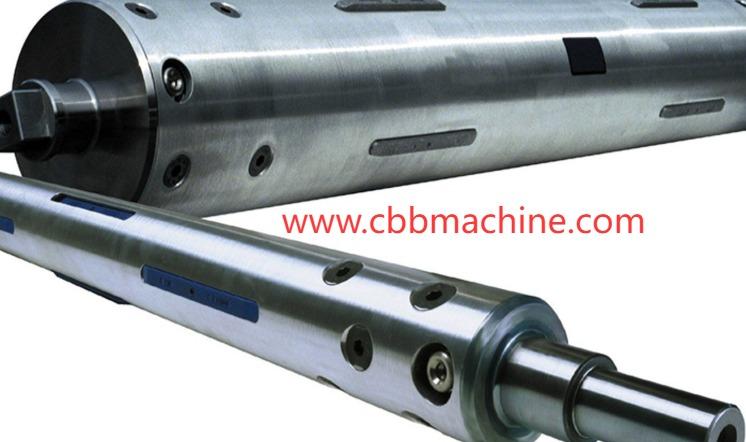
Modern converting operations rely on dependable connections between machine drives and material rolls. A Pneumatic Expanding Shaft from Cbbmachine uses compressed air to engage compatible cores, helping operators secure rolls during winding, unwinding, and material processing. Its expandable gripping mechanism offers a practical approach to roll mounting, supporting organized handling procedures and convenient release when production requirements change.
In manufacturing environments, material rolls must remain properly supported as they move through printing, laminating, slitting, rewinding, and other converting processes. The shaft connecting the roll to the machine plays an important role in transferring rotational force and maintaining the intended position of the material. A suitable expanding mechanism can help establish a secure interface between the core and the shaft, supporting controlled operation throughout the production cycle.
The working principle centers on pneumatic expansion. When compressed air enters the designated passage, internal components move the gripping elements outward against the core's inner surface. This contact helps hold the core in position while the machinery operates. When the mechanism is released according to the manufacturer's instructions, the gripping elements retract, allowing the operator to remove the core more conveniently. The exact mechanism depends on the product's construction and operating design.
Core compatibility is an essential part of product selection. Different production lines use cores with varying internal dimensions, materials, and structural characteristics. The shaft must match the intended core while accommodating the roll's weight and the mechanical demands of the application. Engineers should also consider operating speed, torque transmission, shaft support, and the way the roll interacts with the surrounding equipment.
Material characteristics can influence the selection process as well. Lightweight films may require careful tension management to avoid stretching or wrinkling, while heavier paper rolls place different demands on the supporting structure. Packaging, textile, label, and printing operations may also have distinct handling requirements. Evaluating the production task as a whole helps manufacturers choose an arrangement that fits their materials and machinery.
Convenient changeovers are another consideration. When rolls need to be removed and replaced, the engagement mechanism affects how operators perform the task. Pneumatic gripping can reduce the need for repeated manual adjustment of individual locking components, depending on the shaft design. Combined with suitable roll-support equipment and established handling procedures, this feature can help make routine changeovers more straightforward.
Integration should be reviewed before installation. The shaft needs to fit the machine's bearing arrangement, drive connection, mounting structure, and compressed-air supply. Proper alignment helps prevent unnecessary mechanical stress, while accessible pneumatic connections make operation and servicing easier. Discussing these requirements with the supplier can help clarify the appropriate configuration and identify potential installation concerns.
Safe operation remains fundamental. Operators should follow the equipment manufacturer's procedures for inflation, release, loading, and unloading. Rolls must be adequately supported during handling, and the shaft should never be operated beyond its specified working limits. Before maintenance or adjustment, the machine should be stopped and isolated according to the applicable safety procedure. Suitable guarding and operator training are also important wherever rotating machinery is used.
Maintenance supports consistent performance over time. Inspection should include the gripping elements, seals, air passages, connection points, and relevant shaft surfaces. Wear, contamination, air leakage, or damage may affect the gripping action and should be addressed according to the manufacturer's recommendations. Keeping the mechanism clean and monitoring its condition can help maintenance teams identify potential issues before they interfere with production.
For equipment builders and manufacturing teams, the value of an expanding shaft depends on how well it fits the complete process. A compatible design can support secure roll engagement, practical changeovers, and coordinated material movement. Careful consideration of the core, operating environment, drive system, and maintenance requirements helps turn product selection into a well-informed engineering decision.
A smoother production routine often begins with rethinking how each roll connects to the machine. Visit https://www.cbbmachine.com/product/ to view available industrial shaft solutions and consider which designs may suit your application. Bring your core specifications and equipment requirements into focus, then take the next step toward a roll-handling arrangement built around your production needs.

 English
 Arabic
 French
 Spanish
 Portuguese
 Deutsch
 Turkish
 Dutch
Dutch
 Italiano
 Russian
 Portuguese (Brazil)
 Greek
Greek