


What Should You Know Before Choosing Dental Activators?
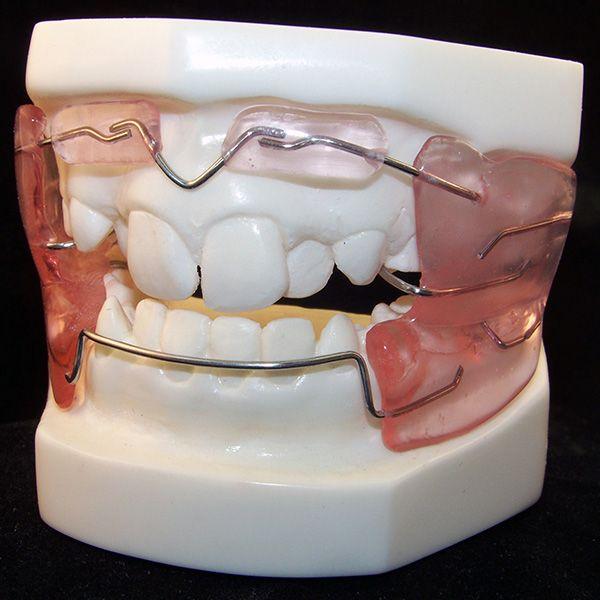
Choosing the right orthodontic treatment is an important step toward achieving a healthy, well-aligned smile. For children and teenagers experiencing certain jaw development or bite problems, removable orthodontic appliances may offer valuable support during growth. Understanding how these appliances work, who may benefit from them, and what to expect during treatment can help families make informed decisions. When exploring Dental Activators in Dubai, it is essential to learn about their purpose, suitability, maintenance requirements, and the importance of professional orthodontic guidance before making a decision.
What Are Dental Activators?
Dental activators are removable orthodontic appliances designed to influence jaw development and improve specific bite relationships. They are often used in growing children and adolescents whose upper and lower jaws do not align correctly. By guiding the position of the jaw during growth, these appliances may help address selected orthodontic concerns.
Unlike fixed braces, which use brackets and wires attached to the teeth, dental activators are generally removable. Their design encourages the jaw to maintain a particular position while the appliance is worn. The exact construction depends on the patient's dental structure, bite alignment, and treatment goals.
How Do Dental Activators Work?
Dental activators work by positioning the lower jaw in a prescribed relationship with the upper jaw. This may help manage certain bite discrepancies while the patient is still growing. Treatment outcomes depend on several factors, including age, growth patterns, appliance design, and consistency of use.
These appliances are not suitable for every orthodontic condition. An orthodontist must examine the teeth, jaw alignment, and overall oral development before recommending one.
Who May Benefit From Dental Activators?
Dental activators are most commonly considered for children and adolescents with specific jaw alignment concerns. Because the jaw is still developing during these years, treatment may take advantage of natural growth to improve certain bite relationships.
Children With Bite Problems
Some children develop an overbite or other discrepancies between the upper and lower jaws. Depending on the underlying cause and severity, an activator may help guide jaw positioning and support improved bite function.
Patients With Developing Jaw Misalignment
When the upper and lower jaws grow at different rates, the resulting imbalance may affect the bite and facial profile. An orthodontic assessment can determine whether a functional appliance could help manage the problem.
However, dental activators are not a universal solution for crooked teeth, severe jaw discrepancies, or every type of malocclusion. Some patients may need braces, other appliances, or a combination of treatments.
Important Factors to Consider Before Choosing an Activator
Before beginning treatment, parents and patients should understand the practical and clinical factors that influence its success.
1. Professional Orthodontic Assessment
The first step is a comprehensive examination. An orthodontist may assess tooth positions, jaw relationships, facial growth, and bite function. Dental impressions or digital scans and X-rays may also be recommended when clinically necessary.
This evaluation helps establish whether an activator is appropriate or whether another treatment would provide better results.
2. Age and Jaw Development
Timing can significantly influence functional orthodontic treatment. Dental activators are generally considered during periods of active growth, although the ideal timing varies between individuals.
An orthodontist will evaluate the patient's growth stage rather than relying on age alone. Starting treatment at the right time may improve the opportunity to address specific jaw-related concerns.
3. Comfort and Appliance Fit
A properly designed activator should fit the patient's mouth according to the treatment plan. Some initial discomfort, increased saliva, or difficulty speaking may occur as the mouth adjusts to the appliance.
Persistent pain, sores, or problems with the fit should be reported to the orthodontist. Adjustments may be necessary to maintain comfort and prevent irritation.
What Is Daily Life Like With Dental Activators?
Successful treatment requires cooperation and consistent care. Since many activators are removable, patients need to follow their orthodontist's instructions regarding when and how long to wear them.
Wearing the Appliance Consistently
The recommended wearing schedule varies according to the appliance design and treatment objectives. Skipping wear time regularly may reduce effectiveness or extend treatment. Children may benefit from a clear routine and encouragement from parents or caregivers.
Cleaning and Maintenance
Keeping the appliance clean helps prevent unpleasant odours and the accumulation of debris.
-
Rinse the appliance as instructed after removing it.
-
Clean it gently with a suitable appliance-cleaning method.
-
Avoid hot water, which may distort certain materials.
-
Store it in its protective case when not in use.
-
Attend scheduled orthodontic appointments for fit checks and adjustments.
Good oral hygiene is equally important. Teeth should be brushed thoroughly, and the orthodontist should provide guidance about cleaning around the appliance and maintaining healthy gums.
What Results Can You Realistically Expect?
Dental activators may improve selected bite relationships and support jaw development in suitable growing patients. However, results vary, and treatment does not guarantee perfectly aligned teeth or eliminate the need for future orthodontic care.
Some patients may require braces after functional appliance treatment to refine tooth positions. Others may need a different approach depending on how their teeth and jaws respond.
Regular appointments allow the orthodontist to monitor progress, evaluate changes, and modify the treatment plan when needed. Understanding these possibilities helps families develop realistic expectations and remain committed throughout treatment.
Are Dental Activators the Right Choice for You?
The best orthodontic appliance is one that addresses the patient's specific needs while fitting comfortably into everyday life. Before choosing an activator, discuss its benefits, limitations, expected treatment duration, wearing schedule, and available alternatives with a qualified orthodontist.
Families considering Dental Activators in Dubai should prioritise a personalised assessment rather than selecting an appliance based on general recommendations alone. The right guidance can help determine whether functional treatment is appropriate for the patient's age, jaw development, and bite concerns.
Ultimately, dental activators can be a useful part of orthodontic care when prescribed for the right reasons and used as directed. With professional supervision, consistent wear, good oral hygiene, and realistic expectations, patients can take an informed step toward better bite function and long-term oral health.

 English
 Arabic
 French
 Portuguese
 Deutsch
 Turkish
 Dutch
Dutch
 Italiano
 Russian
 Romaian
 Portuguese (Brazil)
 Greek
Greek