


Female Hair Transplant in Dubai: What Supports Graft Growth?
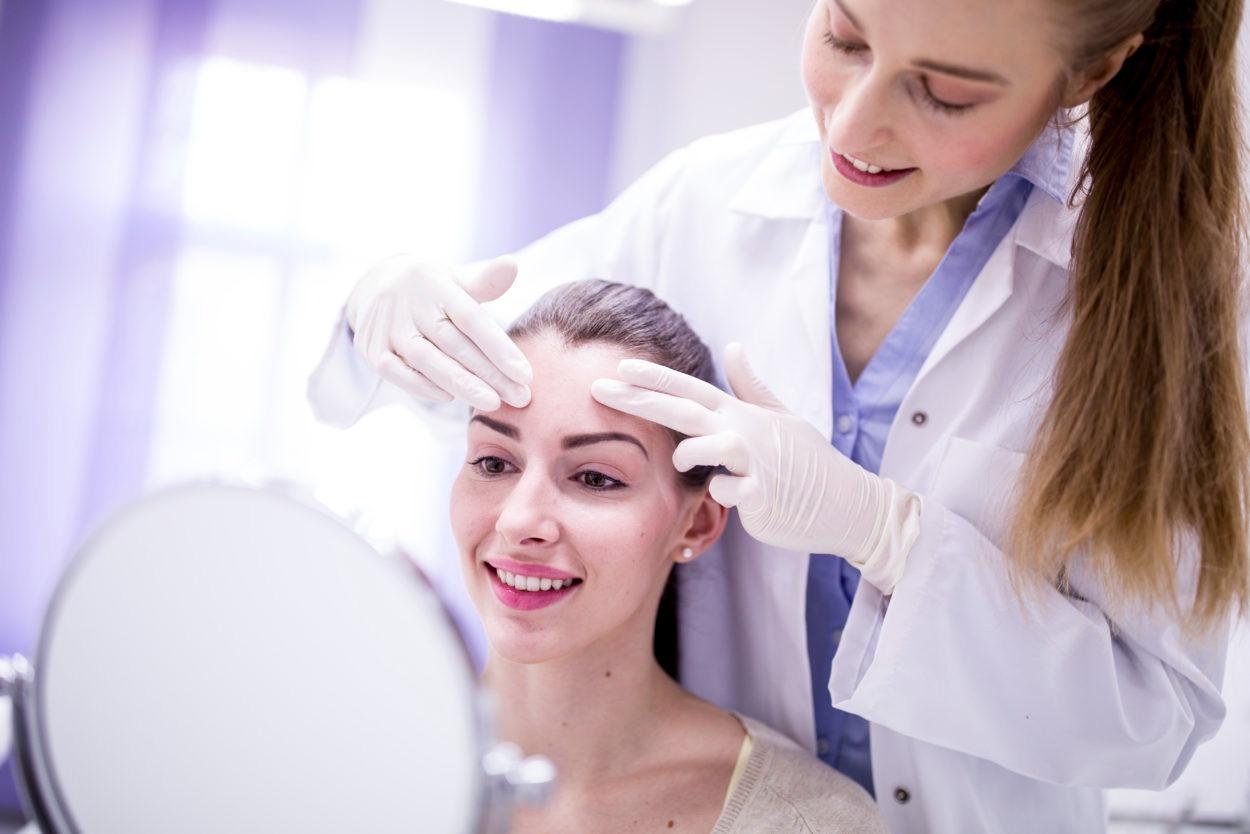
Female hair restoration involves more than placing follicles into areas affected by thinning. The long-term outcome depends on several factors, including donor hair quality, scalp health, graft handling, implantation technique, and postoperative care. Understanding these elements helps patients develop realistic expectations and make informed decisions about treatment.
A successful procedure aims to establish a natural-looking distribution of hair while preserving existing follicles and respecting the patient's original hairline. However, transplanted follicles do not grow immediately after surgery. They require time to recover, establish themselves in the recipient area, and enter their natural growth cycle. Temporary shedding during the early weeks is common and does not necessarily indicate graft failure.
For women considering Female Hair Transplant in Dubai, an individual assessment is essential because hair thinning can result from different causes. Female-pattern hair loss, traction alopecia, scarring conditions, hormonal changes, and nutritional deficiencies may require different approaches. A transplant may be appropriate for selected patients, but active or unexplained hair loss should be investigated before surgery.
Several practical measures can support graft survival and subsequent growth. These include careful surgical planning, appropriate donor selection, controlled handling of follicles, a healthy scalp environment, and compliance with aftercare instructions. Although no technique can guarantee that every graft will survive, an experienced medical team can reduce avoidable risks and improve the conditions needed for healthy growth.
What Determines Hair Graft Growth After Transplantation?
Hair grafts contain follicles that must remain viable throughout extraction, preparation, storage, and implantation. Their survival can be influenced by dehydration, excessive handling, prolonged time outside the body, and physical damage.
The recipient scalp also matters. Adequate blood supply, appropriate implantation depth, and carefully planned graft placement help create conditions for follicular recovery. Surgeons must balance the number of grafts needed for coverage against the available donor supply to avoid unnecessary trauma.
Individual health factors can also affect the final appearance. Smoking, certain medical conditions, nutritional deficiencies, and uncontrolled scalp inflammation may interfere with healing or hair growth. Patients should discuss their medical history and current medications during consultation rather than attempting to correct these factors independently.
Factors That Support Healthy Graft Growth
Careful Donor Hair Selection
Donor follicles are generally taken from areas with sufficient density and suitable characteristics. Their thickness, growth pattern, and resistance to the underlying cause of hair loss influence how effectively they can contribute to coverage.
In women, donor assessment is particularly important because thinning may affect more than the frontal scalp. A surgeon should evaluate whether the donor area is stable and whether extracting follicles could create visible gaps.
Appropriate Graft Handling
Follicles are delicate structures. During transplantation, they should be handled gently, protected from dehydration, and kept under appropriate conditions until implantation.
The surgical team should follow consistent protocols for extraction, graft storage, and placement. Minimising avoidable mechanical injury can help preserve follicular viability.
Healthy Scalp Conditions
A scalp affected by active inflammation, infection, or certain scarring disorders may not provide a suitable environment for transplantation. Identifying and managing these conditions before surgery is an important part of treatment planning.
Patients with persistent itching, redness, scaling, or unexplained shedding should receive an appropriate medical evaluation before proceeding. Treating the underlying problem may be necessary before transplant surgery is considered.
Realistic Graft Placement and Density
The number and distribution of grafts should reflect the patient's donor supply, scalp characteristics, and desired coverage. Excessively dense placement is not automatically better, particularly when it increases tissue trauma or places unnecessary demands on the donor area.
A carefully planned distribution can provide a more balanced appearance while protecting the surrounding follicles. The objective is to create natural coverage rather than simply maximise the number of implanted grafts.
Consistent Postoperative Care
Aftercare instructions typically address scalp cleaning, sleeping position, physical activity, sun exposure, and the avoidance of unnecessary friction during early healing. Patients should follow the operating surgeon's specific guidance because recommendations can vary with the technique used.
Picking at scabs, rubbing the recipient area, or resuming strenuous activity too early may increase the risk of complications. Prescribed medications and topical products should be used only as directed.
Clinics to Consider for Female Hair Restoration
Choosing a provider requires reviewing the medical team's qualifications, the suitability of its services, and the quality of its consultation process. The following facilities may be considered as starting points for research. Their current hair-transplant services, practitioner credentials, and surgical arrangements should be verified directly before making a decision.
Dynamic Life Clinic
Dynamic Life Clinic can be considered by patients researching aesthetic and hair-restoration services in Dubai. Before proceeding, patients should establish whether the clinic offers surgical hair transplantation for women and which qualified practitioners perform the procedure.
A detailed assessment should address donor density, the distribution of existing hair, the cause of thinning, and the likelihood of continued hair loss. These factors help determine whether transplantation is appropriate and what degree of coverage may be realistic.
Enfield Royal Clinic
Enfield Royal Clinic is an option to investigate when comparing hair-restoration providers in Dubai. Patients considering Female Hair Transplant in Dubai should request an individual consultation that explains the proposed technique, donor-area suitability, graft estimates, and the expected recovery timeline.
The consultation should also clarify who performs each stage of the procedure, how grafts are handled, and what follow-up care is available. Women experiencing diffuse thinning may need additional investigation before surgery because transplanting follicles without identifying the underlying cause can lead to disappointing coverage.
Patients should ask about possible complications, the limitations of the procedure, and whether medical treatment may help preserve existing hair. These discussions support informed consent and allow patients to compare treatment plans on clinical grounds rather than promotional claims alone.
Emirates Hospital
Emirates Hospital may be worth researching for patients seeking a hospital-based setting for medical assessment and specialist care. However, the availability of female hair-transplant surgery should be confirmed with the hospital, including the specific department and practitioner responsible.
A comprehensive evaluation can help distinguish conditions that may benefit from transplantation from those that require medical management. Patients should also ask how the surgical team assesses donor stability, monitors healing, and manages complications if they arise.
Cocoona Clinic
Cocoona Clinic is another provider patients may wish to investigate when comparing aesthetic treatment options in Dubai. Before booking, confirm whether female hair transplantation is currently available and whether the treating practitioner has appropriate surgical training and experience.
A useful consultation should cover the patient's medical history, the pattern and duration of hair loss, and the condition of the donor scalp. Patients should also receive a clear explanation of expected density, potential limitations, and the follow-up arrangements after surgery.
Al Zahra Hospital Dubai
Al Zahra Hospital Dubai can be included in a broader search for specialist medical evaluation and hair-related care. Patients should contact the hospital directly to establish whether it currently provides surgical hair transplantation for women or offers related dermatological services.
This distinction matters because investigating the cause of hair loss and performing transplant surgery are different services. A suitable care pathway may involve dermatological assessment before a surgical decision is made.
Tajmeels Clinic
Tajmeels Clinic is another option to review when researching cosmetic and hair-restoration providers in Dubai. Patients should verify the availability of the specific procedure, the surgeon's credentials, and the clinic's arrangements for postoperative review.
Questions about graft survival, infection prevention, donor-area management, and the treatment of existing hair can help patients evaluate the proposed approach. A responsible provider should explain both the potential benefits and the limitations of surgery.
King’s College Hospital London Dubai
King’s College Hospital London Dubai may be relevant to patients seeking specialist evaluation within a hospital environment. Its current hair-loss assessment and surgical services should be confirmed directly, as specialist consultation does not necessarily mean that hair-transplant surgery is offered.
Patients with unexplained shedding, scalp inflammation, or suspected underlying medical conditions may benefit from a diagnostic assessment before considering a cosmetic procedure. Any surgical plan should follow an appropriate evaluation of the cause and stability of hair loss.
Dubai Cosmetic Surgery Clinic
Dubai Cosmetic Surgery Clinic is another provider to investigate when comparing cosmetic surgery services in the city. Patients should confirm whether female hair transplantation is currently offered and request information about the medical team responsible for the procedure.
A thorough discussion should include the extraction and implantation methods, the estimated graft requirement, the recovery process, and the clinic's approach to follow-up care. Patients should also ask how the plan accounts for future thinning of the surrounding hair.
How to Choose the Right Clinic for Female Hair Transplant in Dubai
Experience and Qualifications
The practitioner performing the procedure should have appropriate medical registration, relevant surgical training, and experience with female hair loss patterns. Ask who evaluates the scalp, who extracts and implants grafts, and who remains responsible for clinical decisions.
Experience with women is important because their patterns of thinning and donor-area limitations may differ from those commonly seen in men.
Technology and Techniques
Follicular unit extraction (FUE) involves removing individual follicular units from the donor area, while other approaches may use different extraction or implantation methods. No technique is universally suitable for every patient.
Ask why the recommended method is appropriate for your scalp, whether the proposed graft count is realistic, and how the team intends to protect existing hair during implantation.
Safety Standards
Confirm that the procedure takes place in an appropriately equipped clinical setting with infection-control protocols, suitable sterilisation practices, and a clear plan for managing complications.
Patients should also understand the risks of anaesthesia, infection, scarring, temporary swelling, and poor or uneven growth. A transparent discussion of these risks is an important part of informed consent.
Consultation Process
A good consultation should establish the likely cause of hair loss, review relevant medical history, examine the donor and recipient areas, and explain alternative treatments.
Depending on the clinical findings, blood tests, scalp examination, or a dermatological assessment may be appropriate. Surgery should not be treated as the automatic solution for every type of thinning.
Patient Experience and Follow-Up
Ask how postoperative reviews are scheduled and whom to contact if symptoms develop. Clear instructions about washing, medication, activity restrictions, and signs of complications can make recovery easier to manage.
Patients should also clarify what follow-up is included in the treatment plan and whether additional appointments incur separate charges.
Expected Results
Hair growth develops gradually rather than immediately after transplantation. Initial shedding of transplanted hair shafts is common, while new growth often becomes noticeable over the following months. More meaningful cosmetic improvement generally takes around 6–12 months, and some patients may continue to see changes for 12–18 months.
Results vary according to donor quality, graft survival, the underlying cause of hair loss, and individual healing. Transplantation also does not prevent untreated hair loss from progressing in the surrounding native hair.
Frequently Asked Questions
How long does it take for transplanted hair grafts to grow?
New growth often begins to become noticeable within three to four months, although the timing varies. Visible improvement generally develops over six to twelve months, with further maturation possible over the following months.
Is shedding after a female hair transplant normal?
Yes. Temporary shedding of transplanted hair shafts can occur during the early postoperative period. The follicles may remain in place and later produce new hair. However, persistent or severe shedding should be discussed with the treating clinician.
Does scalp health affect graft survival?
Yes. Active inflammation, infection, poor wound healing, and certain scarring conditions can compromise the suitability of the recipient area. A medical assessment helps identify problems that should be managed before surgery.
Can nutrition improve hair graft growth?
Adequate nutrition supports normal tissue repair and hair growth. Deficiencies in iron, protein, or other nutrients may contribute to hair loss, but supplements do not automatically improve transplant outcomes when no deficiency exists. Testing and supplementation should be guided by clinical need.
Will transplanted hair continue growing permanently?
Transplanted follicles can provide long-lasting growth, but permanence is not guaranteed. Outcomes depend on donor characteristics, the underlying diagnosis, and the success of the procedure. Existing non-transplanted hair may continue to thin, so some patients need ongoing medical management.
Conclusion
Healthy graft growth depends on careful patient selection, stable donor follicles, appropriate surgical technique, sound scalp health, and consistent aftercare. Women should have the cause of their hair loss evaluated before deciding whether transplantation is suitable, particularly when thinning affects the donor area or continues to progress.
When researching Female Hair Transplant, compare practitioners' qualifications, surgical protocols, consultation quality, and postoperative support. A realistic treatment plan should explain the likely benefits, possible complications, and expected timeline without promising guaranteed density or complete restoration.

 English
 Arabic
 French
 Spanish
 Portuguese
 Turkish
 Dutch
Dutch
 Italiano
 Russian
 Romaian
 Portuguese (Brazil)
 Greek
Greek