


Female Hair Transplant in Dubai After Scalp Injury
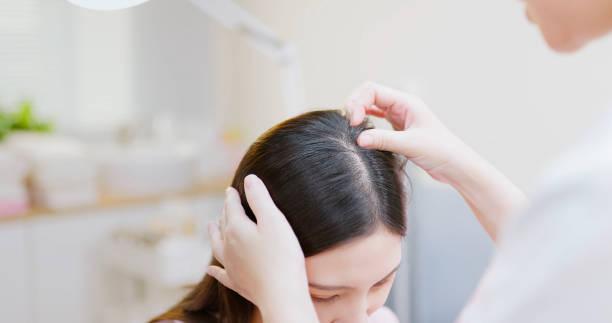
A scalp injury or previous operation can sometimes leave an area where hair no longer grows as it did before. For women concerned about a visible scar or a localised patch of missing hair, Female Hair Transplant in Dubai may be worth discussing once the area has been medically assessed and the tissue has healed appropriately.
Not every scar is suitable for transplantation. The condition of the skin, the blood supply to the area, the type of injury, and the stability of the scar can all influence the treatment plan. The aim is to establish whether grafts are likely to grow in the affected area and whether the potential cosmetic improvement justifies the risks.
Why Hair May Not Grow Normally After a Scalp Injury
Hair growth can be affected when an injury damages the follicles or creates scar tissue. The outcome depends on the depth and extent of the damage. A superficial injury may leave follicles intact, while a deeper wound or surgical incision may permanently disrupt some of them.
Possible reasons for localised hair loss after an injury include:
-
Direct damage to hair follicles.
-
Scar tissue replacing normal follicle-bearing skin.
-
Changes in the scalp after surgery or wound closure.
-
Ongoing inflammation or a medical condition affecting the injured region.
-
Hair loss associated with repeated tension or another factor near the affected area.
A scar does not always mean that every follicle in the region has been lost. Likewise, the absence of visible hair does not prove that transplantation is the best next step. Assessment is needed to understand the nature of the tissue and the cause of the missing hair.
Female Hair Transplant in Dubai for Scarred Areas
Transplantation into a scarred area can be more complex than treating some forms of non-scarring hair loss. Scar tissue may differ from normal scalp skin in thickness, flexibility, and blood supply. These differences can affect graft placement and growth.
Before planning a procedure, the clinician may assess:
-
The size, location, and appearance of the scar.
-
Whether the skin is fully healed and stable.
-
The thickness and flexibility of the affected tissue.
-
The availability and quality of donor hair.
-
The presence of redness, tenderness, or other signs that need medical attention.
-
The patient's expectations for coverage and cosmetic improvement.
A transplant may be considered in selected cases, but graft growth in scar tissue can be less predictable than in healthy scalp tissue. The clinician should explain this uncertainty clearly.
Why scar maturity matters
A newly formed or changing scar may not be ready for an elective restorative procedure. The timing depends on the cause of the injury, the healing process, and whether the area has become stable.
There is no universal waiting period that applies to every scalp injury or operation. Patients should follow the advice of their treating clinician and obtain clearance when needed, particularly after a significant injury or complex surgery.
What If the Scar Is From a Previous Operation?
Scalp surgery may leave a linear scar or a more irregular area of reduced hair growth. The original operation, the way the wound healed, and the characteristics of the surrounding hair all influence the available options.
Bring details of the previous procedure to your consultation if possible. The clinician may want to know when it took place, whether healing was uncomplicated, and whether the scar has changed in appearance or caused discomfort.
A transplant may help camouflage some scars in suitable patients, but it cannot guarantee that the scar will become invisible. Depending on the case, other options may be discussed, including hairstyle adjustments, camouflage approaches, or further assessment by a relevant specialist.
Evaluating Donor Hair and the Desired Coverage
Hair restoration requires suitable follicles from a donor region. The number of grafts available and the area needing coverage help determine what may be realistic.
A small scar may require a different plan from a broad area of missing hair. Even when the affected region is limited, the clinician must consider the direction and angle of the surrounding hair so that any new growth blends naturally.
Planning should take account of:
-
The scar's dimensions and position.
-
The density of the surrounding hair.
-
The direction of existing growth.
-
The contrast between the scalp and hair colour.
-
The donor area's capacity to provide grafts without excessive thinning.
-
Whether future hair loss could change the appearance of the result.
The objective is a balanced improvement, not an unsupported promise of complete coverage.
Risks and Limitations of Transplanting Into Scar Tissue
Scar-focused transplantation may have variable results because scar tissue does not always behave like unaffected scalp skin. Graft survival may be lower or less predictable, and more than one treatment session may sometimes be discussed. Whether further treatment is appropriate depends on the first procedure's outcome and the patient's individual circumstances.
Potential risks include infection, bleeding, visible scarring, poor graft growth, uneven density, and a result that differs from expectations. Existing scar tissue may remain visible even if transplanted hair grows.
A responsible consultation should explain these limitations and consider whether a non-surgical approach could better meet the patient's goals.
Preparing for Your Assessment
Before a consultation, gather any available details about the injury or surgery and note whether the scar has remained stable. Photographs from different stages of healing can sometimes help explain how the area has changed.
Tell the clinician if you experience pain, persistent itching, redness, swelling, or other unusual symptoms around the scar. These concerns may need evaluation before cosmetic treatment is considered.
Do not apply unapproved products or attempt home procedures intended to stimulate hair growth over a scarred area. If the cause of the hair loss is uncertain, a medical assessment should come before choosing a restorative treatment.
Frequently Asked Questions
Can transplanted hair grow through scalp scar tissue?
It may grow in selected cases, but growth can be less predictable than in healthy scalp skin. The condition of the scar and its blood supply are important factors in assessment.
How long should I wait after scalp surgery?
The appropriate timing depends on the operation, the healing process, and whether the scar has stabilised. Ask your treating clinician for individual guidance rather than relying on a fixed timeline.
Will a hair transplant remove my scar?
No. A transplant places hair follicles into an area; it does not remove the underlying scar. Growing hair may help camouflage it, but the scar may remain visible.
Can every scalp injury be treated with transplantation?
No. Suitability depends on tissue health, the cause of hair loss, donor availability, and the likely benefit compared with the risks. Some cases need further medical assessment or a different approach.
Explore Personalised Hair Restoration at Tajmeels Clinic
If a scalp injury or previous operation has left an area of visible hair loss, the next step is to determine whether the tissue is suitable for restoration. Tajmeels Clinic can discuss your concerns and the considerations involved in planning hair transplantation, including donor availability, scar characteristics, and realistic expectations.

 English
 Arabic
 French
 Spanish
 Portuguese
 Deutsch
 Turkish
 Dutch
Dutch
 Italiano
 Russian
 Romaian
 Portuguese (Brazil)