


Blank Woven Patches | Uses, Benefits, and Customization Guide
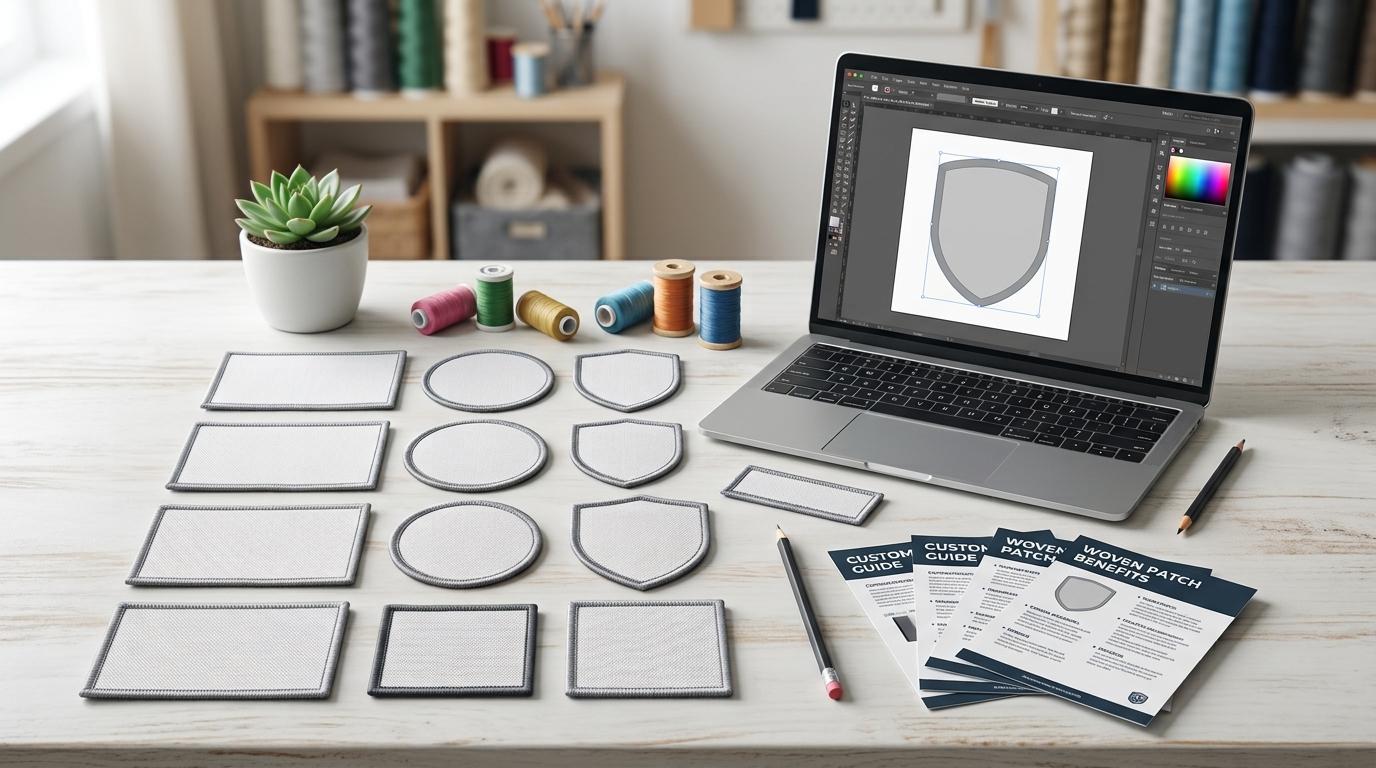
Blank Woven Patches: Uses, Benefits, and Customization Guide
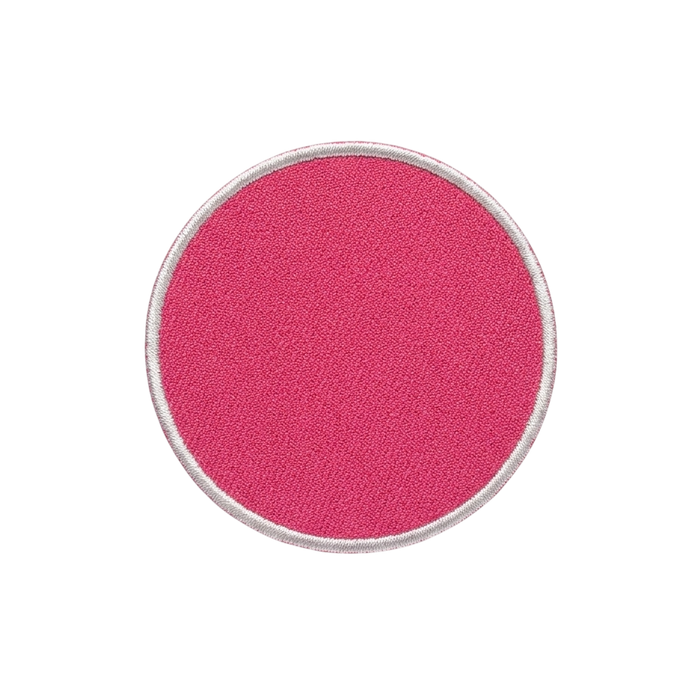
Blank woven patches are versatile fabric patches with a clean, undecorated surface that can be used for clothing, branding, crafts, uniforms, and personalized accessories. They provide a convenient starting point for businesses, designers, and individuals who want to add their own logos, artwork, lettering, or decorative details.
Whether you are a clothing manufacturer, a small business owner, a DIY enthusiast, or a custom apparel designer, blank woven patches offer flexibility for different creative projects. Their smooth texture and lightweight construction make them particularly useful when a neat finish and fine detail are important.
In this guide, we will explore what blank woven patches are, their benefits, popular applications, available customization options, and how to choose the right patches for your project.
What Are Blank Woven Patches?
Blank woven patches are fabric patches produced by interlacing fine threads to create a smooth, flexible textile surface without a finished custom logo or design. They can be used as supplied or customized later, depending on their construction and the intended application.
Unlike embroidered patches, which use raised stitching to create a design on a fabric base, woven patches form their surface through closely arranged threads. This construction creates a relatively flat appearance that can be suitable for detailed graphics and small lettering.
Blank woven patches may be available in different shapes, sizes, colors, edge finishes, and backing types. The exact options depend on the manufacturer and product specifications.
Key Features of Blank Woven Patches
-
Smooth surface: Offers a clean, relatively flat fabric finish.
-
Lightweight construction: Suitable for many types of apparel and accessories.
-
Flexible customization: Can serve as a base for certain logos, labels, and decorative designs.
-
Multiple shapes: May be available in rectangular, circular, square, oval, or custom-cut forms.
-
Versatile applications: Useful for clothing, bags, hats, uniforms, crafts, and merchandise.
Before purchasing, check whether the patches are intended for printing, embroidery, heat transfer, sewing, or another customization method. Not every woven surface is compatible with every decoration technique.
How Are Blank Woven Patches Made?
Understanding how blank woven patches are produced can help you select the right option for your project.
1. Thread Selection
The manufacturing process begins with selecting suitable threads. Their color, texture, and composition influence the appearance and performance of the finished patch.
2. Weaving the Fabric
Fine threads are interlaced using specialized weaving equipment to create a consistent textile surface. The weave determines the patch's texture, density, and flexibility.
3. Cutting the Patch Shape
The woven material is cut into the required dimensions. Depending on the product, patches may have straight edges, rounded corners, or custom outlines.
4. Edge Finishing
The edges may be finished to help create a neat appearance and reduce fraying. The suitable finish depends on the patch design, fabric construction, and intended use.
5. Adding Backing
Some blank woven patches are supplied without adhesive backing, while others may be available with sew-on, heat-applied, or alternative backing options. Choose a backing that suits the garment and planned customization process.
Benefits of Blank Woven Patches
Blank woven patches offer several practical advantages for apparel manufacturers, creative businesses, and individual users.
1. Flexible Customization
One of the biggest advantages of blank woven patches is their adaptability. Depending on the material and finish, they can be used as a starting point for logos, names, decorative artwork, and other custom details.
This flexibility is useful for projects that require different designs across a collection or production run.
2. Smooth and Professional Appearance
Woven patches generally have a flatter surface than traditional embroidered patches. This can create a clean appearance that works well with modern clothing, minimalist designs, and detailed branding.
3. Lightweight and Comfortable
Many woven patches are relatively lightweight, making them suitable for shirts, casual jackets, bags, hats, and other fabric products where a bulky patch may not be desirable.
The actual weight and flexibility depend on the material, dimensions, and backing.
4. Suitable for Small Details
Woven construction can support fine visual details when a design is created during manufacturing. If you plan to decorate a blank patch after production, however, the clarity of the final artwork will depend on the surface and the decoration method used.
5. Useful for Small Businesses
Blank woven patches can help small businesses prepare branded products, sample designs, and limited-edition merchandise. They can also provide a practical option for testing different colors, placements, and creative concepts.
6. Versatile for DIY Projects
Craft enthusiasts can use blank patches for personalized clothing, handmade gifts, bags, accessories, and other fabric projects. The best customization method depends on the patch construction and the equipment available.
Blank Woven Patches vs. Blank Embroidered Patches
Although both options can be used for clothing and accessories, blank woven patches and blank embroidered patches differ in texture and construction.
| Feature | Blank Woven Patches | Blank Embroidered Patches |
|---|---|---|
| Construction | Fine threads woven together | Embroidery stitches on a fabric base |
| Surface | Generally smooth and flat | Often raised and textured |
| Appearance | Clean and refined | Traditional and dimensional |
| Fine-detail potential | Woven designs can support small details | Depends on stitch density and design |
| Typical uses | Garment labels, detailed branding, accessories | Jackets, uniforms, decorative patches |
| Best choice | When a flatter surface is preferred | When a textured, stitched appearance is desired |
The right option depends on how you intend to use and customize the patch. Consider the final artwork, fabric compatibility, durability requirements, and preferred appearance before making a decision.
Popular Uses of Blank Woven Patches
Blank woven patches can be used in various industries and personal projects.
Blank Woven Patches for Clothing Brands
Fashion brands can use blank woven patches as a starting point for custom garment details, depending on the decoration method and material compatibility.
They may be incorporated into shirts, hoodies, jackets, jeans, and other apparel. For a consistent brand appearance, consider using matching patch dimensions, colors, and finishing across different products.
Blank Woven Patches for Hats and Caps
Blank patches can be useful for headwear projects, including baseball caps, beanies, and casual hats.
Before customizing a patch for a curved or structured surface, check its flexibility and size. The decoration technique should also be suitable for the patch and the hat material.
Blank Woven Patches for Jackets
Jackets provide a practical surface for decorative patches and branding. Blank woven patches can be customized for personal style, team merchandise, or clothing collections.
Choose a patch size that complements the jacket and confirm that the backing or sewing method is suitable for the garment fabric.
Blank Woven Patches for Bags and Backpacks
Blank woven patches can be incorporated into tote bags, backpacks, pouches, and other fabric accessories.
They can help personalize an accessory or provide a surface for a logo or decorative graphic. For frequently used bags, pay particular attention to edge finishing and attachment strength.
Blank Woven Patches for Uniforms
Businesses and organizations may use blank patches as part of a uniform customization process. Depending on the product, they can be prepared for names, department identifiers, or other branding details.
For uniforms that require frequent washing, confirm the patch's care requirements and attachment method before ordering.
Blank Woven Patches for Crafts and DIY Projects
DIY enthusiasts can incorporate blank patches into handmade gifts, fabric art, costume accessories, and upcycling projects.
They can also be used to experiment with suitable fabric markers, printing techniques, or other decoration methods, provided the patch surface supports the chosen process.
How to Customize Blank Woven Patches
The best customization method depends on whether the patch is designed for post-production decoration or needs to be customized during manufacturing.
1. Printing
Printing may be suitable for compatible woven surfaces when you want to add a logo, graphic, or lettering. Confirm that the patch material and surface treatment can accept the selected ink or printing process.
2. Heat Transfer
Heat transfer can be an option for certain blank patches. However, temperature, pressure, and application time must be compatible with the fabric and backing.
Always test the process on a sample when possible, especially if the patch will be attached to a heat-sensitive garment.
3. Embroidery
Some blank patches may be suitable for additional embroidery, but the weave density, thickness, and stability of the material determine whether this approach is practical.
Check with the supplier before adding stitches to avoid damaging the patch or creating an uneven finish.
4. Sewing Onto Garments
Sewing is a common way to attach a patch to clothing and accessories. It can provide a secure attachment when the thread, stitch type, patch edges, and garment material are appropriate.
5. Applying Labels or Decorative Elements
Certain projects may use blank woven patches as part of a larger decorative design. Before adding other materials, confirm that the surface and backing can support the intended application.
How to Choose the Right Blank Woven Patches
Choosing the right patch starts with understanding your project's requirements.
Consider the Patch Size
Measure the area where the patch will be placed. Small patches may work well on hats and compact accessories, while larger patches can offer more space for decorative designs.
Select a Suitable Shape
Choose a shape that complements the intended artwork and garment. Rectangular and square patches are common for labels, while circular and custom-shaped patches may suit logos and decorative projects.
Check the Material
Review the patch's fabric composition, weave, and surface characteristics. These details can affect how well the patch works with printing, heat transfer, sewing, or other customization methods.
Review the Edge Finish
A suitable edge finish can improve the patch's appearance and help control fraying. Consider the intended use and whether the patch will be sewn onto a garment or incorporated into another product.
Choose the Appropriate Backing
Common options may include sew-on and heat-applied backing. Adhesive options may also be available for certain uses.
Confirm the backing type before ordering because it can affect customization, attachment, washing, and overall performance.
Confirm Minimum Order Quantities
Suppliers may have different minimum order requirements. If you are testing a design or working on a small project, ask whether sample quantities are available.
For larger orders, compare pricing at different quantities and confirm production timelines before approving the order.
Are Blank Woven Patches Durable?
Blank woven patches can be durable when they are made from suitable materials, finished properly, and attached correctly. Their lifespan depends on the fabric composition, weave, edge construction, backing, and intended use.
To help maintain them:
-
Follow the supplier's care instructions.
-
Use an attachment method suited to the garment and expected wear.
-
Check that any printing or heat-transfer decoration is compatible with the patch.
-
Avoid excessive heat unless the materials are designed to tolerate it.
-
Inspect the edges periodically for loose threads or lifting.
If the patches will be used on uniforms, workwear, or frequently washed garments, discuss the expected conditions with your supplier before choosing a product.
How Much Do Blank Woven Patches Cost?
The cost of blank woven patches varies according to the product specifications and order quantity. Pricing can differ between suppliers, so it is best to request a quote for the exact patches you need.
Common factors affecting the price include:
-
Size: Larger patches generally use more material.
-
Quantity: Bulk orders may offer a lower per-unit price.
-
Shape: Custom cutting or unusual outlines may affect production costs.
-
Material and weave: Different fabric specifications can have different costs.
-
Edge finishing: Additional finishing requirements may affect the price.
-
Backing: Sew-on, heat-applied, and other backing options may be priced differently.
-
Shipping: Delivery method and destination can contribute to the total cost.
When requesting a quote, provide the dimensions, quantity, preferred shape, backing requirements, and intended customization method.
How to Find a Reliable Blank Woven Patch Supplier
A suitable supplier can help you select patches that meet your design and production needs.
Review Product Specifications
Look for clear information about material composition, dimensions, edge finishing, backing, and intended uses.
Ask About Customization Compatibility
If you plan to print, embroider, or apply heat transfers to the blank patches, confirm that the product supports your chosen technique.
Request Samples When Available
Samples can help you evaluate the weave, color, flexibility, size, and edge quality before placing a larger order.
Compare Pricing and Delivery
Compare suppliers using the same specifications. Review minimum order quantities, sample costs, production timelines, shipping, and return policies.
Confirm Quality Before Bulk Ordering
For larger projects, request a sample or production proof when available. This can help identify potential problems before committing to a full order.
Why Choose Fineyst Patches for Custom Patch Solutions?
Blank woven patches can provide a useful starting point for apparel branding, personalized accessories, and creative projects. Choosing the right material, shape, backing, and finishing options can help you achieve a result that fits your requirements.
Fineyst Patches offers custom patch solutions for a variety of apparel and branding needs. If you are considering woven patches for a project, share your intended use and customization requirements to confirm which options are suitable.
Before placing an order, check the available patch specifications, minimum quantities, customization methods, and delivery details.
Frequently Asked Questions About Blank Woven Patches
What are blank woven patches used for?
Blank woven patches can be used for clothing, bags, hats, uniforms, crafts, and accessories. They may serve as a base for custom decoration or be incorporated into a product according to their construction.
Can I print on blank woven patches?
Some blank woven patches can be printed on, but compatibility depends on the fabric, surface treatment, and printing method. Confirm the specifications with the supplier before starting production.
Can I embroider blank woven patches?
Additional embroidery may be possible on certain patches. The weave density and material stability determine whether the surface is suitable for extra stitching.
Are blank woven patches washable?
Washability depends on the patch material, decoration, backing, and attachment method. Check the manufacturer's care instructions before washing a customized garment.
Can blank woven patches be ironed on?
Some patches are designed for heat application, while others are not. Confirm that both the patch and the garment can tolerate the required temperature and pressure.
Are blank woven patches suitable for small businesses?
Yes. They can be useful for product development, apparel branding, craft projects, and merchandise. Check minimum order quantities and customization compatibility before purchasing.
How do I order blank woven patches?
Determine the required size, shape, quantity, material, and backing. If you plan to customize the patches, specify your decoration method and request samples or a quote from a supplier.
Conclusion
Blank woven patches offer a versatile starting point for apparel, accessories, crafts, and branding projects. Their relatively smooth surface and lightweight construction make them suitable for many applications, while their shape, backing, and finishing can be selected according to the intended use.
For the best results, confirm the patch material, choose the right dimensions, and make sure the surface is compatible with your preferred customization method. Comparing samples and specifications before placing a bulk order can also help you avoid unnecessary costs and achieve a consistent finish.
Whether you are creating personalized accessories, developing a clothing collection, or preparing patches for a business, selecting the right blank woven patches can make your project easier to plan and execute.

 English
 Arabic
 French
 Spanish
 Portuguese
 Deutsch
 Turkish
 Dutch
Dutch
 Russian
 Romaian
 Portuguese (Brazil)
 Greek
Greek