


How Fitness Apps Are Changing the Way People Train
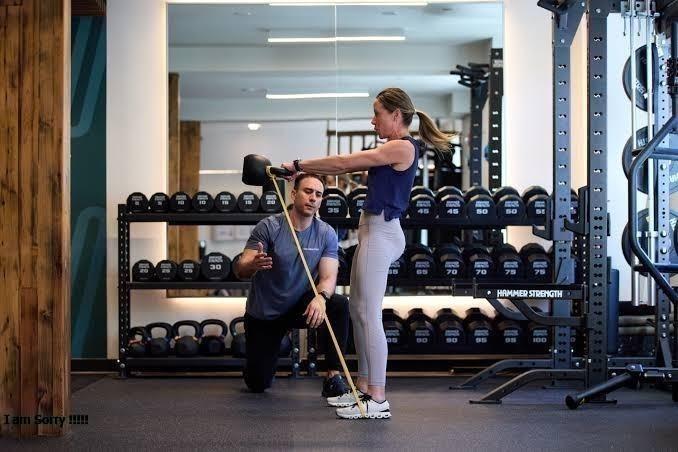
Fitness apps have changed how people plan workouts, monitor progress, and stay motivated. Instead of relying entirely on a fixed gym schedule or handwritten workout log, people can now use their phones to access exercise demonstrations, record training sessions, and track daily activity. These tools make fitness information more accessible and give users new ways to organize their routines.
However, technology is most useful when it supports a realistic fitness plan rather than replacing good training habits. Understanding how fitness apps work can help people decide which features are worth using and how to make them part of a consistent routine.
Making Workout Tracking More Convenient
One of the main benefits of fitness apps is the ability to record workouts in one place. Users can track exercises, sets, repetitions, workout duration, and other details that help them review their activity over time.
Having this information available can make it easier to recognize patterns. For example, someone who records strength sessions may notice improvements in the weight lifted or the number of repetitions completed. A person who tracks walking or cycling may see changes in distance, duration, or weekly activity.
These records can also help users identify gaps in their routines. Rather than relying on memory, they can review previous sessions and make informed adjustments to their training schedule.
How Digital Tools Support Personalized Training
Many fitness apps offer workout suggestions based on goals, experience, available equipment, or preferred activities. Some provide structured programs, while others let users build their own routines and adjust them as their fitness improves.
For people who want additional structure, digital coaching can provide workout reminders, exercise demonstrations, and guidance through app-based programs. These features may help users understand what to do during a session and follow a more organized schedule. However, the quality of guidance varies between platforms, and automated recommendations may not account for every individual's needs or limitations.
Apps should therefore be treated as helpful tools rather than a substitute for professional assessment when personalized support is necessary. Users who are new to exercise or unsure about technique may benefit from working with a qualified fitness professional.
Keeping Motivation and Consistency on Track
Maintaining a regular exercise routine can be challenging when progress feels slow or daily responsibilities become demanding. Fitness apps often include reminders, activity streaks, goal-setting features, and progress summaries to encourage users to keep moving.
These features can make goals feel more manageable. For example, someone who wants to become more active might set a realistic weekly walking target and use the app to record completed sessions. Seeing consistent effort over several weeks can provide motivation without requiring dramatic changes all at once.
Still, motivation should not depend entirely on notifications or digital rewards. Missing a day does not erase previous progress. The most useful app is one that supports healthy habits without making exercise feel like another source of pressure.
Understanding the Role of Wearable Technology
Many fitness apps connect with smartwatches, heart-rate monitors, and activity trackers. These devices can collect information such as steps, estimated energy expenditure, heart rate, and workout duration.
When reviewed over time, these measurements may help users understand their activity patterns. For instance, someone might discover that they move less on busy workdays and choose to add a short walk during a break.
It is important to remember that wearable measurements are estimates and may not always be accurate. Calories burned, sleep scores, and other readings should not be treated as exact measures of health or fitness. Use them alongside personal experience and sensible training decisions.
Choosing the Right Fitness App
With so many apps available, selecting one that matches your needs is more useful than downloading several tools at once. Consider what you want to track and which features will genuinely support your routine.
Before choosing an app, review these factors:
-
Ease of use: The interface should make it simple to record and review workouts.
-
Relevant features: Look for tools that match your goals, whether that means strength tracking, running plans, or general activity monitoring.
-
Flexibility: Choose an app that allows you to adapt sessions to your schedule and experience.
-
Privacy settings: Understand what personal information the app collects and how it is used.
-
Cost: Check whether important features require a subscription or additional payments.
Avoid choosing an app solely because it is popular. A simple tracker that you use consistently may be more valuable than a complicated platform filled with features you rarely need.
Combining Technology With Real-World Training
Fitness apps can make exercise more organized, but they cannot replace consistency, suitable exercise selection, proper technique, or recovery. Users still need to listen to their bodies, adjust workouts when necessary, and avoid increasing training intensity too quickly.
A balanced approach combines useful technology with realistic goals and regular physical activity. Use apps to monitor progress, plan sessions, and build accountability, while allowing flexibility when your schedule or fitness needs change.
Building Better Fitness Habits With Technology
Fitness apps have made workout planning and progress tracking more accessible for people with different goals and experience levels. When chosen carefully, they can help users stay organized, recognize improvements, and maintain motivation.
The key is to use technology as support rather than letting it dictate every decision. By combining digital tools with practical training habits, you can build a routine that fits your lifestyle and supports long-term fitness progress.

 English
 Arabic
 French
 Spanish
 Portuguese
 Deutsch
 Turkish
 Italiano
 Russian
 Romaian
 Portuguese (Brazil)
 Greek
Greek