


Why Does Zannx Electric Catamaran Battery Planning Matter
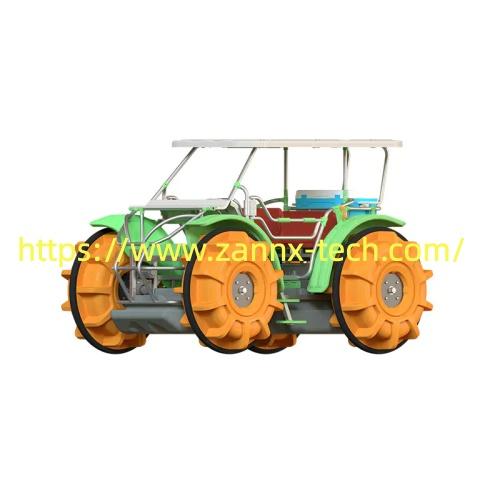
Electric Catamaran design involves more than choosing an attractive vessel. Buyers need to consider how the hull, electric propulsion system, battery capacity, passenger layout, and intended operating environment work together. For private owners, comfort and ease of use may shape the decision. For resorts, sightseeing operators, and rental businesses, passenger capacity, charging routines, and daily operating requirements can carry greater weight. Zannx offers electric watercraft solutions for customers who want to evaluate practical design choices before making a purchase.
A twin hull structure creates a distinctive platform for recreational and commercial boating. The spacing between the hulls, overall dimensions, and weight distribution all influence how a vessel behaves on the water. Buyers should consider where they plan to operate, how many passengers they expect to carry, and whether the boat will spend more time cruising, sightseeing, or serving as part of a tourism business.
Deck space deserves equal attention. A layout that works for a couple enjoying a quiet afternoon may not suit a group of tourists boarding and leaving throughout the day. Clear walkways, accessible seating, practical storage, and convenient boarding arrangements can make regular use easier. When reviewing a proposed configuration, ask the manufacturer how the layout accommodates the intended passenger load and onboard equipment.
Water conditions also matter. Sheltered lakes, calm coastal areas, and busier waterways create different demands. Buyers should confirm the vessel's rated operating conditions, stability information, and applicable safety requirements before placing an order.
Battery specifications often attract attention during the buying process, but capacity alone does not tell the whole story. Actual range depends on several variables, including cruising speed, total load, wind, waves, current, hull resistance, and the efficiency of the propulsion system.
A sensible purchasing approach begins with a typical operating day. A resort may need several short trips between a dock and nearby attractions. A private owner may prefer a longer afternoon outing with time for swimming or sightseeing. These activities create different energy demands, even when the vessels have similar dimensions.
Ask the manufacturer for estimated range under clearly stated conditions. It is also worth discussing usable battery capacity, reserve energy, battery monitoring, and the recommended charging routine. A realistic operating plan should leave enough flexibility for changing weather and unexpected delays rather than relying on a single advertised distance.
An electric propulsion system can change the way people experience time on the water. Depending on the configuration, electric drive may provide reduced local exhaust emissions during operation and a quieter experience than a comparable combustion engine. This can appeal to operators offering guided trips, waterfront hospitality, and leisure activities in noise sensitive locations.
However, the complete system deserves attention beyond motor specifications. Buyers should ask about rated output, control response, cooling arrangements, electrical protection, and monitoring functions. Compatibility between the motor, battery, controller, and charging equipment is particularly important because these components need to operate as an integrated system.
Maintenance planning should also be part of the discussion. Ask which inspections are recommended, what parts may require periodic replacement, and how technical support is handled. Electric propulsion can reduce certain routine service requirements, but it does not eliminate the need to inspect electrical connections, check safety equipment, and follow the manufacturer's maintenance schedule.
A pleasant boating experience depends on details passengers notice immediately. Seat positioning, shade, boarding access, deck movement, and storage can influence whether a trip feels relaxed or inconvenient. For commercial operators, these features may also affect passenger turnover and the time needed to prepare for the next departure.
Buyers should consider their primary audience before selecting optional equipment. Families may value easy movement around the deck and practical storage. Sightseeing businesses may prefer seating that provides clear views. Resort operators might prioritize convenient boarding and a layout that complements their guest services.
Weather protection, lighting, navigation equipment, and safety provisions should be evaluated according to the vessel's intended use and local regulations. Rather than selecting accessories based on appearance alone, compare each option with the activities the boat will actually support.
Charging arrangements can influence whether a vessel fits smoothly into an existing operation. Before ordering, check the available electrical supply at the marina or dock, the proposed charging method, and the time required to replenish the battery. Commercial users should consider whether charging can take place between trips or whether the vessel needs a longer overnight charging period.
Operating costs also extend beyond electricity. Purchase price, insurance, docking fees, scheduled maintenance, battery care, and eventual component replacement all contribute to the ownership budget. Comparing these factors over a realistic period can provide a clearer picture than focusing on energy costs alone.
For fleet buyers, it can be helpful to estimate daily operating hours, passenger demand, charging access, and seasonal use. These details help manufacturers recommend a configuration that aligns with actual requirements instead of unnecessary capacity or equipment.
A productive conversation with a manufacturer should cover technical specifications, customization options, production schedules, warranty terms, spare parts, and after sales support. Buyers should request clear documentation and confirm which features are included in the quoted configuration. If the vessel will operate commercially, ask about relevant certification requirements and the documentation needed for the intended market.
Zannx encourages buyers to approach the process with a clear understanding of their operating environment, passenger expectations, and energy requirements. A well planned purchase starts with practical questions and realistic performance expectations, not simply an appealing exterior.
Whether you are planning private outings, developing a waterfront tourism service, or considering a vessel for a resort, the right configuration should fit your daily routine and long term budget. Review the available electric watercraft solutions and discuss your intended application through the Zannx website at https://www.zannx-tech.com/product/ before deciding which configuration fits your plans.

 English
 Arabic
 Spanish
 Portuguese
 Deutsch
 Turkish
 Dutch
Dutch
 Italiano
 Russian
 Romaian
 Portuguese (Brazil)
 Greek
Greek