


Token Development Cost in 2026: What Founders Should Budget For
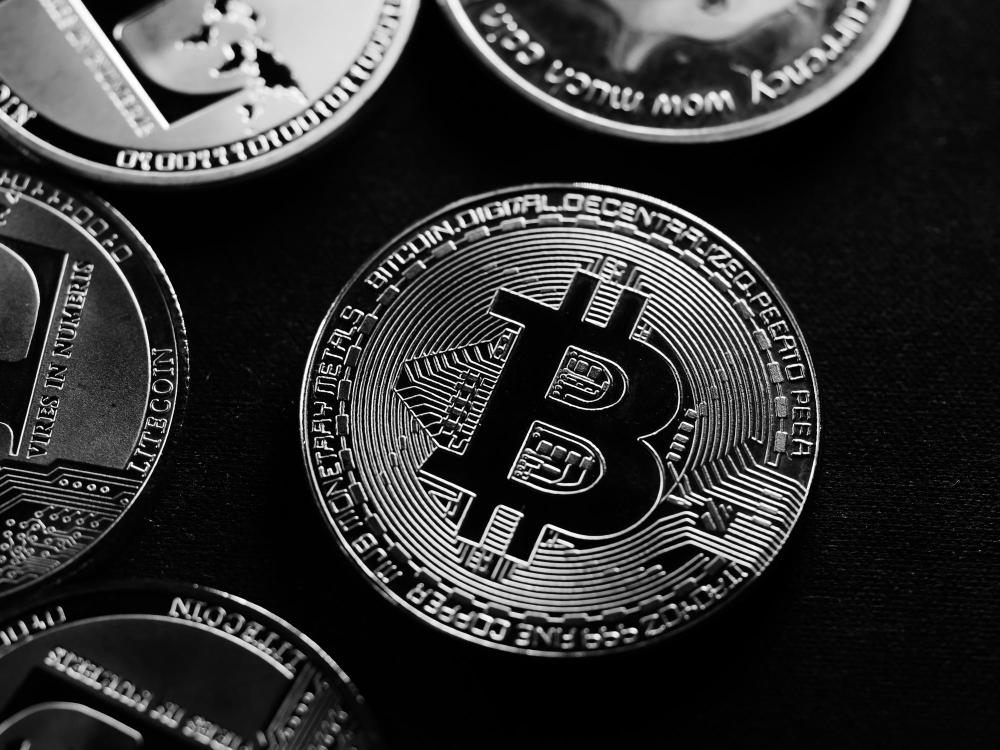
Planning a token launch in 2026 involves more than estimating the cost of writing and deploying a smart contract. Founders must also consider tokenomics, security testing, blockchain fees, wallet integrations, distribution, and post-launch maintenance. The final budget depends on the token's purpose, the features required, and how much of the wider ecosystem needs to be built.
For startups exploring Token development, a simple token using an established standard may cost a few thousand dollars, while a customized token project with additional contracts, integrations, and security requirements can cost tens of thousands of dollars or more. These are indicative planning ranges rather than fixed market prices, and a detailed scope is necessary for an accurate estimate.
Working with a suitable Token development company can help founders separate essential expenses from optional features. The objective is to prepare a realistic budget that supports the token's business purpose without overlooking the costs of launching and maintaining it.
How Much Does Token Development Cost in 2026?
The cost of building a token depends primarily on its technical complexity and the services included in the project. A basic token contract requires a different level of effort from a customized ecosystem with staking, governance, vesting, and application integrations.
The following ranges can serve as initial budgeting estimates for projects using an existing blockchain.
Indicative development budget
-
Basic token with standard functionality: $500–$3,000
-
Customized utility token: $3,000–$10,000
-
Advanced token with additional contracts and features: $10,000–$30,000+
-
Larger token ecosystem with multiple integrations and complex functionality: $30,000–$100,000+
These estimates describe broad development scopes, not guaranteed all-inclusive launch prices. Independent audits, legal advice, liquidity, exchange-related expenses, and marketing may be additional.
Crypto token development should therefore be budgeted according to the complete project scope rather than a single advertised starting price. Founders should request an itemized estimate that identifies the work included, the assumptions behind the quote, and the services that may cost extra.
1. Blockchain Selection Can Change Your Budget
The blockchain you choose influences development requirements, deployment fees, transaction costs, available tools, and integration options.
For example, ERC-20 token development on Ethereum may suit startups that need compatibility with Ethereum-based applications. BEP-20 tokens can be appropriate for projects targeting BNB Chain, while Solana uses its own token standards and development environment.
Before choosing a network, consider:
-
Deployment and transaction fees
-
Smart contract or token-program requirements
-
Wallet compatibility
-
Developer expertise
-
Available ecosystem integrations
-
Security and maintenance requirements
-
Expected user activity
Ethereum mainnet fees can fluctuate with network demand, while some other networks and Ethereum Layer 2 environments may offer lower transaction costs. However, the cheapest network is not necessarily the best choice for every product.
A Crypto token development company should compare technical requirements and operating costs before recommending a blockchain. Selecting the right environment early can help avoid expensive migrations or unnecessary integration work later.
2. Smart Contract Complexity Is a Major Cost Factor
The smart contract determines how a token behaves and which rules it follows. A standard token with a fixed supply generally requires less custom development than a token with specialized administrative controls, distribution logic, or financial functionality.
Basic functionality may include:
-
Token name and symbol
-
Initial supply configuration
-
Transfers and balance tracking
-
Approval and allowance functions
-
Standard token events
More advanced projects may require:
-
Controlled minting and burning
-
Pausing or access-control mechanisms
-
Vesting and allocation contracts
-
Staking and rewards
-
Governance functionality
-
Treasury management
-
Custom business rules
Each additional feature can require design, implementation, testing, and security review.
Crypto token development services should explain which functions are included in the base contract and which require additional work. Founders should avoid paying for features that do not support the product's immediate needs.
A focused initial release can help control the budget while leaving room for justified improvements as the business grows.
3. Tokenomics Planning Requires Its Own Budget
Tokenomics defines how the token supply is structured, how tokens are distributed, and how incentives operate within the ecosystem. Although founders sometimes treat tokenomics as a simple allocation spreadsheet, more complex projects may require substantial analysis and implementation.
Planning may cover:
-
Initial and maximum supply, where applicable
-
Team and investor allocations
-
Community and treasury reserves
-
Vesting and unlock schedules
-
Reward distribution
-
Minting and burning policies
-
Utility and redemption rules
-
Long-term supply management
The complexity of this work depends on the token's purpose. A straightforward fixed-supply token may need limited economic design, while a project with rewards, staking, and multiple allocation schedules requires more detailed planning.
Founders should budget for both the design of the economic model and the technical implementation of its rules.
A Crypto Coin development Company can help implement the agreed token structure, but founders should also consider independent financial or legal advice when the token model involves fundraising, investment-related arrangements, or other regulated activities.
4. Security Audits Should Not Be an Afterthought
Security is an essential part of a token budget, particularly when a contract controls valuable assets, user balances, supply changes, or privileged administrative functions.
A basic token contract and a complex token ecosystem do not require the same audit scope. As custom logic and integrations increase, the work required to assess potential vulnerabilities can increase as well.
For preliminary planning, founders might reserve approximately $3,000–$15,000 or more for an independent review of a relatively simple token contract. More complex contracts and multi-component systems can cost considerably more. These figures are illustrative, and actual audit proposals depend on code size, complexity, testing readiness, and the auditor's scope.
Security-related expenses may include:
-
Internal testing and code review
-
Independent smart contract audits
-
Fixes for identified vulnerabilities
-
Follow-up reviews or re-audits
-
Administrative key protection
-
Monitoring and incident preparation
Crypto token development should include security considerations from the beginning rather than treating an audit as a last-minute formality.
An audit is not a guarantee that a contract is risk-free. Founders should understand what the review covers and maintain appropriate security practices after deployment.
5. Wallet and Platform Integrations Add to the Cost
A token may need to connect with a website, mobile application, customer account system, marketplace, or decentralized application. These integrations can require additional development beyond the token contract itself.
The budget may need to cover:
-
Wallet connection
-
Token balance display
-
Transfer and transaction interfaces
-
Application programming interfaces (APIs)
-
User authentication
-
Administrative dashboards
-
Transaction tracking
-
Error handling and user guidance
For example, a startup that uses tokens to unlock premium services may need application logic to verify eligibility and grant access. A rewards platform may need a reliable process for issuing tokens after qualifying customer actions.
Crypto token development services should include integration requirements in the original scope wherever possible. If integrations are left undefined, founders may receive a low initial quote that excludes important work needed to make the token usable.
Planning these components early makes the budget more realistic and helps the team test the complete user experience before launch.
6. How Do Advanced Features Affect Token Development Cost?
Additional token features can increase development time because they introduce more rules, interactions, and potential failure scenarios.
Common examples include:
-
Staking and reward distribution
-
Governance and voting
-
Vesting and token locks
-
Multi-signature administrative controls
-
Custom minting and burning
-
Cross-chain functionality
-
Automated distribution mechanisms
Each feature should have a defined purpose. Staking, for instance, may require a separate contract, reward calculations, withdrawal rules, and additional security testing. Cross-chain functionality can introduce even greater complexity because the system must account for interactions between separate networks.
During Token development, founders should distinguish between functionality required for launch and features that can be introduced later.
A phased approach may reduce the initial development budget and make it easier to validate demand before committing to a larger ecosystem. However, future expansion should still be considered during architecture planning to avoid unnecessary redesign.
7. Testing, Deployment, and Launch Preparation
Development is not complete when the code has been written. The project also needs testing and a controlled deployment process to confirm that the token behaves as intended.
Launch preparation may include:
-
Unit and integration testing
-
Testnet deployment
-
Configuration verification
-
Review of administrative permissions
-
Mainnet deployment
-
Contract verification where supported
-
Deployment documentation
-
Final wallet and application checks
The required effort depends on the complexity of the project and the quality of its existing test coverage.
Crypto token development services may include some or all of these activities, so founders should verify the details in the project proposal. A quote that covers coding but excludes meaningful testing and deployment preparation is not directly comparable to a more complete service.
Startups should also account for network gas fees. These are separate from developer fees and fluctuate according to the selected network and its conditions.
8. Legal and Compliance Expenses to Consider
The legal requirements for a token can depend on its functionality, distribution, fundraising structure, marketing, and target jurisdictions. Founders should assess these issues before launch rather than assuming that technical deployment is sufficient.
Potential areas of review include:
-
Token classification
-
Fundraising and distribution rules
-
Marketing disclosures
-
User eligibility
-
Geographic restrictions
-
KYC and AML obligations where applicable
-
Data protection
-
Tax and recordkeeping requirements
Legal costs vary widely depending on the project, jurisdictions, and complexity of the advice required. Some straightforward projects may need a limited review, while token sales, financial products, or cross-border operations can require more extensive work.
A Crypto token development company can coordinate technical planning with the project's requirements, but it should not replace qualified legal counsel.
Founders should maintain a separate legal and compliance budget rather than assuming these services are included in a software development quote.
9. Liquidity, Listings, and Marketing Are Separate Expenses
Creating a token does not automatically make it actively traded or widely adopted. If the launch strategy includes public trading, liquidity arrangements, exchange applications, or promotional activity, those costs should be considered separately from development.
Potential expenses include:
-
Initial decentralized exchange liquidity
-
Liquidity management
-
Exchange application and integration work
-
Community education
-
Launch communications
-
Content and public relations
-
Marketing campaigns
-
Ongoing community support
Liquidity capital is different from a service fee: funds placed into a liquidity pool remain subject to market and trading risks. Exchange listing is also not guaranteed, and costs vary by platform and arrangement.
Crypto token development services should be distinguished from marketing, exchange-related services, and funds reserved for liquidity. Keeping these categories separate gives founders a clearer picture of the total launch investment.
10. Post-Launch Maintenance Must Be Included
Once a token is live, the startup may need ongoing technical support to monitor activity, maintain integrations, resolve issues, and improve the product.
Potential post-launch costs include:
-
Smart contract and application monitoring
-
Technical troubleshooting
-
Security reviews and incident response
-
API and dashboard maintenance
-
Wallet integration updates
-
Documentation
-
Feature enhancements
-
Infrastructure and support
Some contracts cannot have their core logic changed after deployment. Upgradeable contracts offer different options but introduce additional permission and security considerations. Founders should understand the design they are choosing and how future changes will be handled.
When comparing Token development services, ask whether post-launch support is included for a defined period, charged separately, or provided under an ongoing agreement.
A maintenance reserve helps founders avoid treating deployment as the end of the financial commitment.
11. Example Budgets for Different Startup Projects
The following examples illustrate how different scopes can affect the initial budget. They are planning scenarios, not fixed quotations.
Scenario A: Basic utility token
A startup needs a standard token contract, initial supply configuration, testing, and deployment.
Potential budget areas:
-
Contract development
-
Basic testing
-
Deployment and verification
-
Essential documentation
A preliminary development budget of $1,000–$5,000 may be a starting point, depending on the provider and scope. Independent security reviews and other launch expenses may be additional.
Scenario B: Customized token with distribution controls
A startup needs a token with custom permissions, vesting, additional testing, and platform integration.
Potential budget areas:
-
Requirements and architecture
-
Custom smart contract work
-
Tokenomics implementation
-
Integration and quality assurance
-
Security review
A development budget of approximately $5,000–$25,000 or more may be appropriate for initial planning, depending on the complexity.
Scenario C: Larger token ecosystem
A business needs multiple contracts, staking or governance, dashboards, external integrations, and a more extensive security process.
Potential budget areas:
-
Architecture and contract development
-
Multiple integration components
-
Independent security audits
-
Application and dashboard development
-
Deployment and operational preparation
The budget can exceed $25,000 and may reach $100,000 or more for complex projects.
These scenarios demonstrate why founders should compare detailed scopes instead of assuming that every token project should cost the same amount.
12. How to Avoid Unnecessary Development Expenses
Cost control should come from better planning, not from removing essential testing or security work.
Founders can improve budget efficiency by:
-
Defining the token's core utility before development
-
Selecting a blockchain based on business requirements
-
Using established standards where appropriate
-
Separating essential features from future enhancements
-
Documenting tokenomics before implementation
-
Requesting itemized proposals
-
Testing integrations early
-
Planning legal review and security work in advance
-
Establishing post-launch responsibilities
Crypto token development services should be scoped around the business outcome. This makes it easier to identify which tasks are essential and which can be deferred.
Founders should be cautious about quotes that promise extensive functionality at an unusually low price without explaining testing, security, ownership, or support. The lowest initial fee may not represent the lowest total cost if important work is excluded.
13. How Inoru Can Help Founders Plan a Token Budget
Inoru can help startups define the technical scope of a token project and identify the development work needed to support their objectives.
Depending on the agreed requirements, the process may include:
-
Business requirement analysis
-
Blockchain and token-standard selection
-
Token architecture and feature planning
-
Smart contract development
-
Tokenomics implementation
-
Wallet and platform integration
-
Testing and security-focused development
-
Deployment preparation
-
Technical documentation
-
Post-launch support planning
For founders evaluating a Crypto token development company, a clear scope helps make pricing more transparent and reduces the risk of unexpected requirements appearing late in the project.
Inoru can help distinguish essential functionality from optional additions and organize the work into manageable stages. This allows founders to make decisions based on business needs, available resources, and long-term operating requirements.
Final Budget Checklist for Founders
Before approving a token development budget, confirm that you have considered:
-
Blockchain selection and network fees
-
Smart contract development
-
Tokenomics and distribution logic
-
Additional contract features
-
Testing and security audits
-
Wallet and platform integrations
-
Deployment and documentation
-
Legal and compliance advice
-
Liquidity and marketing, if required
-
Post-launch monitoring and maintenance
-
Contingency for unexpected work
Reviewing these categories before signing a development agreement can help founders compare proposals more accurately and avoid overlooking major expenses.
Conclusion: Budget for the Complete Token Journey
Token development cost in 2026 depends on the token's purpose, the selected blockchain, feature complexity, security requirements, and the supporting systems needed for launch. A basic token can require a relatively modest development budget, while a customized ecosystem can involve a substantially larger investment.
The most useful budget is not simply the amount needed to deploy a contract. It is the amount required to build, test, launch, and maintain a token that serves a clear business purpose.
Founders should prioritize essential utility, appropriate security, realistic tokenomics, and a usable experience before adding advanced features. They should also account for legal review, distribution, integrations, and ongoing support where relevant.
Inoru can help businesses plan token development around practical requirements and a clearly defined project scope. With a realistic budget and a structured development strategy, founders can make more informed investment decisions and prepare their token for the work that begins after launch.

 English
 Arabic
 French
 Spanish
 Portuguese
 Deutsch
 Turkish
 Dutch
Dutch
 Russian
 Romaian
 Portuguese (Brazil)
 Greek
Greek