


The Importance of Regular Monitoring for Home Ventilator Patients
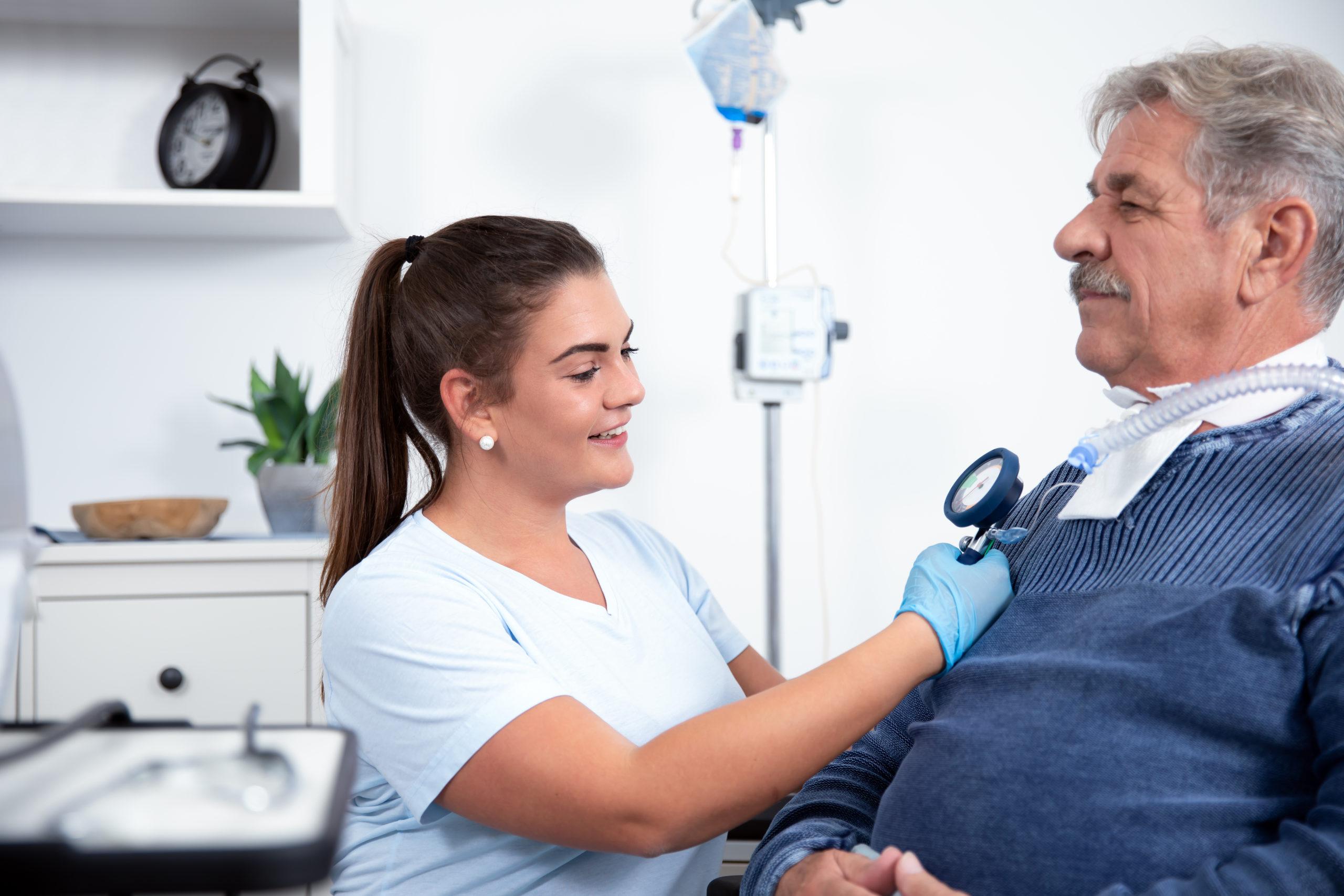
Patients who rely on mechanical ventilation at home need consistent monitoring to help maintain safe respiratory support and identify changes in their condition. Regular observation allows caregivers and healthcare professionals to recognize potential concerns, follow prescribed treatment plans, and respond promptly when medical assistance is needed. Ventilator Care At Home In Dubai helps eligible patients receive respiratory support in familiar surroundings, with professional guidance tailored to their individual needs. A Doctor at Home service may also support medical assessments and follow-up when clinically appropriate. By combining routine monitoring, equipment checks, accurate recordkeeping, and regular communication with the treating team, families can contribute to a more organized and safer home care experience.
Understanding the Need for Regular Monitoring:
Home ventilator patients may have complex medical needs that require ongoing observation beyond simply checking whether the equipment is switched on. Monitoring helps caregivers notice changes in breathing, alertness, comfort, secretions, and other signs that may indicate a developing problem. The appropriate monitoring plan depends on the patient's diagnosis, type of ventilation, prescribed support, and overall health. Some patients need frequent professional observation, while others may follow a different schedule established by their clinician. Regular monitoring does not guarantee that complications will be prevented, but it can help identify concerns earlier and guide timely action. Families should receive clear instructions about what to observe, how to record findings, and when to seek clinical advice.
Monitoring Breathing Patterns and Respiratory Comfort:
Observing the patient's breathing is an important part of home ventilator care. Caregivers should learn what is normal for the individual patient and watch for changes such as increased breathing effort, unusual chest movement, persistent coughing, restlessness, or visible distress. The ventilator's prescribed settings should remain unchanged unless the treating clinician authorizes an adjustment. If the patient appears uncomfortable or breathing seems different from usual, caregivers should follow the care plan and contact the appropriate healthcare professional. Severe breathing difficulty, blue or grey lips, sudden confusion, loss of consciousness, or suspected interruption of essential ventilation requires immediate action under the emergency plan and may require emergency services. Caregivers should not wait for a monitoring device to confirm that a serious problem exists.
Checking Oxygen Saturation and Other Vital Signs:
Some home ventilator patients are prescribed regular checks of oxygen saturation, heart rate, temperature, or other vital signs. These measurements can help the healthcare team assess changes over time, but the monitoring schedule and acceptable ranges should be individualized. Families should learn how to use any prescribed device correctly, understand the patient's specific instructions, and record readings with the time and relevant symptoms. Oxygen saturation alone does not provide a complete picture of breathing or overall health, and an apparently normal reading does not rule out every serious problem. Caregivers should follow the clinician's instructions about when to report readings and seek urgent help if the patient shows severe symptoms, regardless of the displayed number.
Observing Ventilator Performance and Equipment Alarms:
Regular equipment checks help caregivers identify visible problems that could affect the delivery of prescribed breathing support. Depending on the device and care plan, checks may include looking at tubing and connections, confirming that required accessories are in place, and ensuring that the equipment has an appropriate power supply. Caregivers should be trained to understand the ventilator's alarms and know which actions they are authorized to take. An alarm may indicate a disconnection, obstruction, leak, or another issue that requires attention. It should never be ignored or silenced without identifying and addressing the cause according to the training provided. If ventilation appears interrupted or the equipment repeatedly alarms, follow the emergency plan and seek assistance promptly.
Monitoring Secretions and Airway Health:
Changes in respiratory secretions may provide useful information about airway health, particularly for patients with a tracheostomy or difficulty clearing mucus. Caregivers should follow the prescribed airway-care plan and observe whether secretions appear more abundant, unusually thick, discoloured, or different from the patient's usual pattern. They should also report fever, persistent coughing, new discomfort, or changes around a tracheostomy site. Suctioning and specialized airway procedures should only be performed by individuals who have received appropriate training and are authorized to carry them out. Families should not introduce new airway treatments or change prescribed procedures independently. Timely communication with the healthcare team can help determine whether further assessment is needed.
Keeping Accurate Daily Monitoring Records:
A written monitoring record helps families and healthcare professionals understand patterns that may be difficult to notice from memory alone. The record should include only the observations requested by the clinical team, with enough context to explain unusual findings or changes. Depending on the care plan, a monitoring log may include:
-
Date and time of prescribed vital-sign checks.
-
Breathing observations and changes in comfort.
-
Oxygen saturation readings, when prescribed.
-
Ventilator alarms or equipment concerns.
-
Changes in secretions or signs of possible infection.
-
Medication issues or relevant symptoms.
-
Calls to healthcare professionals and advice received.
Records should be factual and easy to review. Families should protect the patient's privacy and share the information with authorized healthcare professionals involved in their care. Urgent concerns must be addressed immediately rather than simply written down for a later appointment.
Recognizing Early Signs of Infection or Deterioration:
Regular monitoring can help caregivers notice possible signs of infection or a worsening medical condition. These may include fever, unusual secretions, increased breathing effort, changes in alertness, reduced comfort, or a noticeable decline in the patient's usual functioning. Such signs can have different causes, so caregivers should avoid making a diagnosis themselves. Instead, they should contact the treating clinician or follow the escalation instructions provided in the care plan. Severe breathing distress, blue or grey lips, sudden unresponsiveness, or suspected failure of essential ventilation requires emergency action. Families should understand the difference between concerns that require prompt clinical advice and symptoms that demand immediate emergency assistance.
Working With Nurses and Home Healthcare Professionals:
Professional home healthcare staff can support monitoring by carrying out prescribed observations, documenting findings, checking equipment as directed, and communicating concerns to the treating medical team. They can also reinforce caregiver training and help families understand which changes need follow-up. The specific responsibilities depend on the patient's needs, the care arrangement, and the professional's qualifications. Families should ensure that information is handed over clearly when different caregivers provide support at different times. For patients receiving Ventilator Care At Home In Dubai, coordinated communication between relatives, nurses, and the treating clinician can help maintain consistency and ensure that important changes are not overlooked. Monitoring should always follow an individualized care plan.
Understanding When to Contact a Healthcare Professional:
Caregivers should know who to contact when readings change, symptoms develop, or equipment problems occur. The care plan should specify the patient's individual thresholds for reporting measurements, the appropriate clinical contact, and the circumstances that require emergency services. Do not independently adjust ventilator settings, alter prescribed oxygen support, or change medications in response to a reading unless specifically instructed by an authorized clinician. If the patient experiences severe respiratory distress, becomes unresponsive, develops blue or grey lips, or appears to have lost essential ventilation, activate the emergency plan immediately. Clear written instructions and regular review help caregivers act decisively without having to guess during a stressful situation.
Maintaining Consistent Follow-Up and Reviewing the Care Plan:
Monitoring is most useful when the information collected is reviewed regularly by the healthcare team. Follow-up appointments allow clinicians to assess the patient's respiratory status, review relevant observations, evaluate equipment concerns, and determine whether the care plan needs to change. Families should bring monitoring records and a list of questions to appointments, including any recurring alarms, unusual symptoms, or difficulties with daily care. The plan should also be reviewed after hospital admissions, significant health changes, or changes in ventilation equipment. Regular communication supports continuity of care and helps ensure that monitoring remains appropriate as the patient's needs evolve.
Final Thoughts.
Regular monitoring is an essential part of caring for patients who depend on ventilators at home. Observing breathing, checking prescribed vital signs, watching for changes in secretions, maintaining equipment awareness, and recording relevant information can help caregivers recognize concerns and communicate them effectively. Monitoring must always be guided by the treating clinician, and emergency symptoms should never be ignored because a device reading appears normal. With clear instructions, trained support, and consistent follow-up, Ventilator Care At Home In Dubai can help eligible patients receive organized respiratory care in familiar surroundings while prioritizing safety, comfort, and wellbeing.

 English
 Arabic
 French
 Spanish
 Portuguese
 Deutsch
 Turkish
 Dutch
Dutch
 Italiano
 Russian
 Romaian
 Greek
Greek