


Choosing How a Takeaway App and Mobile Website Should Work Together
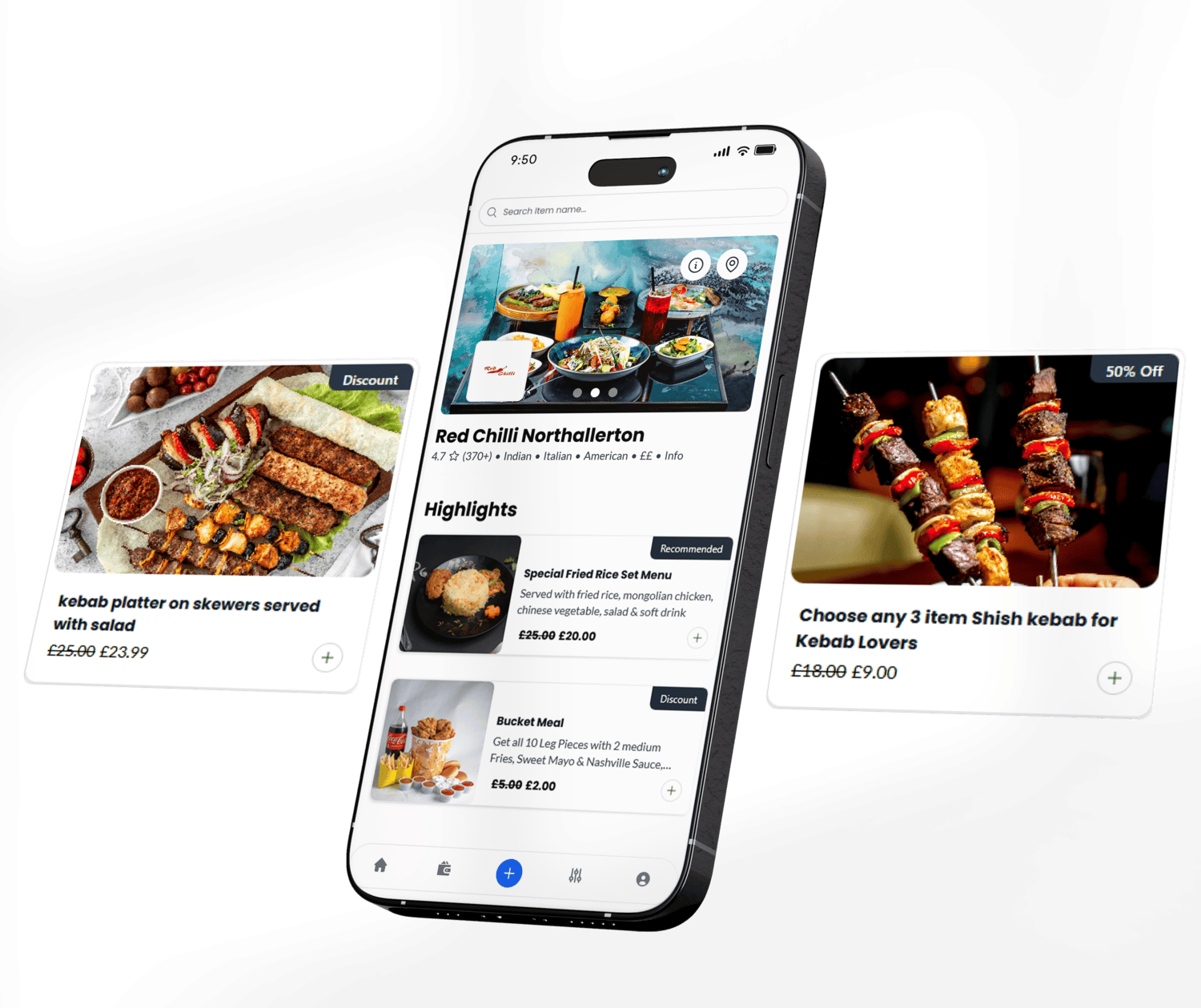
A customer who has never tried your takeaway may prefer to open a menu in a browser. A regular who orders every week may appreciate an app on their phone. Both customers need a clear route to buy, and the business needs to understand how those routes fit together.
An app and a mobile website can serve different moments in the relationship. The website can help someone discover the business and place an initial order. The app can offer returning customers a dedicated mobile route, provided the experience gives them a reason to use it.
The decision should reflect your service and customer habits. Compare the complete journeys, the operating work and the cost of maintaining the arrangement. A takeaway can make a sensible investment by choosing how each channel helps people order rather than treating the channels as interchangeable.
Begin with the first time customer
Imagine someone finds your takeaway through a local search or a friend's recommendation. They want to know what you serve, where you operate and whether they can order now. A mobile page should answer those questions before asking for a larger commitment.
Review the browser journey on ordinary phones. Customers need readable menu descriptions, clear service options and an understandable checkout. If those basics are weak, introducing an app may leave the initial discovery route difficult to use.
Make ordering visible from the pages customers are likely to visit. A person checking opening hours should not have to return to the homepage to find the menu. Keep the next step clear and suited to the purpose of each page.
Explain the app where it is relevant, while preserving a usable purchase route for people who prefer the website. A visitor deciding whether to try one meal may not yet have a reason to install a dedicated app for the business.
Consider what regular customers would gain
Ask frequent customers how they currently return to the takeaway. They may use a saved web link, search for the business again or phone the same order. That information can help identify whether an app would make a repeated task more convenient.
Describe the app's value in practical terms. A recognisable direct route or suitable returning-order functions may be useful. Avoid relying on the fact that the business now has an app as the explanation for why customers should install it.
Check a takeaway ordering app UK operators can offer alongside web ordering through a realistic demonstration. OrderApps supplies branded mobile apps; assess the experience your regular customers would receive under the proposed setup.
Consider different purchase frequencies. Someone who orders often may value a dedicated app differently from an occasional visitor. The business can support both without expecting the same installation or ordering behaviour from every customer.
Keep menus and service information consistent
Compare the same meal across the app and website. Descriptions, included items and relevant choices should match the service being sold. Customers should not receive contradictory information merely because they opened a different route.
Establish how updates reach each channel. Change an item's price and availability in the supplier demonstration, then verify the customer-facing result. The business needs to understand what is shared and what requires separate maintenance.
Review opening hours and fulfilment settings too. Collection and delivery may follow different arrangements, and those conditions need to be clear wherever customers order. Consistency concerns operations as much as logos and colours.
Assign someone to check information after significant changes. A new offer or revised dish should be tested through both journeys if both are promoted. Keeping the channels accurate prevents staff from resolving avoidable disagreements after payment.
Examine how orders reach the team
Follow app and website orders into the working process. Staff should understand where they appear and how to identify their payment and fulfilment details. Multiple customer routes should not automatically require a confusing set of separate kitchen routines.
Check the exact setup offered rather than assuming every system behaves the same way. If a supplier proposes shared order management, ask to see it using your menu and devices. The value lies in the arrangement the restaurant will actually use.
Keep order references and preparation instructions clear. The team should be able to fulfil a meal without interpreting whether it came from the app or browser. Customers have chosen a channel, but the kitchen still needs a dependable ticket.
Confirm support responsibilities for each part. A problem with an app update may need a different response from an incorrect menu description. Staff and owners should know who handles the issue and what details help the investigation.
Compare the full commercial arrangement
Review what the supplier includes in the relevant plan. Apps may be part of a broader subscription rather than a separate purchase. Establish the monthly charges, applicable order costs and any additional services your takeaway needs.
Keep customer acquisition spending separate from the platform's operating costs. Promoting an app to existing regulars has a different purpose from paying to introduce the business to new diners. Both can be useful, but the financial assessment should distinguish them.
Use your own volumes and clearly labelled scenarios. Estimate what happens if a realistic number of customers use each route, then revise the forecast as orders arrive. Do not treat a planned adoption rate as evidence that people will install the app immediately.
Consider the staff time involved in maintaining content and answering questions. A channel with attractive pricing may still require work the team needs to plan. Choose an arrangement the business can use comfortably throughout ordinary trading.
Promote the channel suited to the moment
For a new visitor, the immediate message may be to view the menu and place an order. For a returning customer, a clear explanation of the app may be more relevant. Match the invitation to what the person already knows about the takeaway.
Check the links used in each campaign. A browser promotion should lead to a usable mobile ordering page, while an app introduction should guide the customer to the appropriate app destination. The message and next step need to agree.
Use collection touchpoints thoughtfully when explaining the app. A short packaging reminder or answer to a customer's question can be useful. Keep the current handover accurate and avoid turning every collection into a lengthy installation conversation.
Coordinate offers across the channels. If an offer applies only to a particular route, make that clear. Customers and staff should understand the conditions before a basket is built, especially when marketing presents similar meals in several places.
Judge each route through completed experiences
Review completed orders and service questions separately where records allow. Website visits and app installations describe interest, while purchases and repeat use describe later stages. Compare the measures according to the job each channel is intended to do.
Ask customers about their preferred route and why it suits them. Their answers can explain patterns the figures do not establish alone. Use that context to improve the channel rather than forcing everyone into one presumed best journey.
Keep testing the customer-facing result after updates. A route that worked at launch may change when the menu, offer or service hours are revised. Shared operating ownership makes those checks easier to maintain.
A takeaway app and mobile website work together when each gives customers a clear, dependable way to buy. Make the first visit comfortable, give regulars a useful return route and keep service information consistent. Then invest according to completed orders and customer experience rather than the appeal of one channel's label.

 English
 Arabic
 French
 Spanish
 Portuguese
 Deutsch
 Turkish
 Dutch
Dutch
 Italiano
 Romaian
 Portuguese (Brazil)
 Greek
Greek