


The Best Ways to Protect and Preserve Old Family Videos
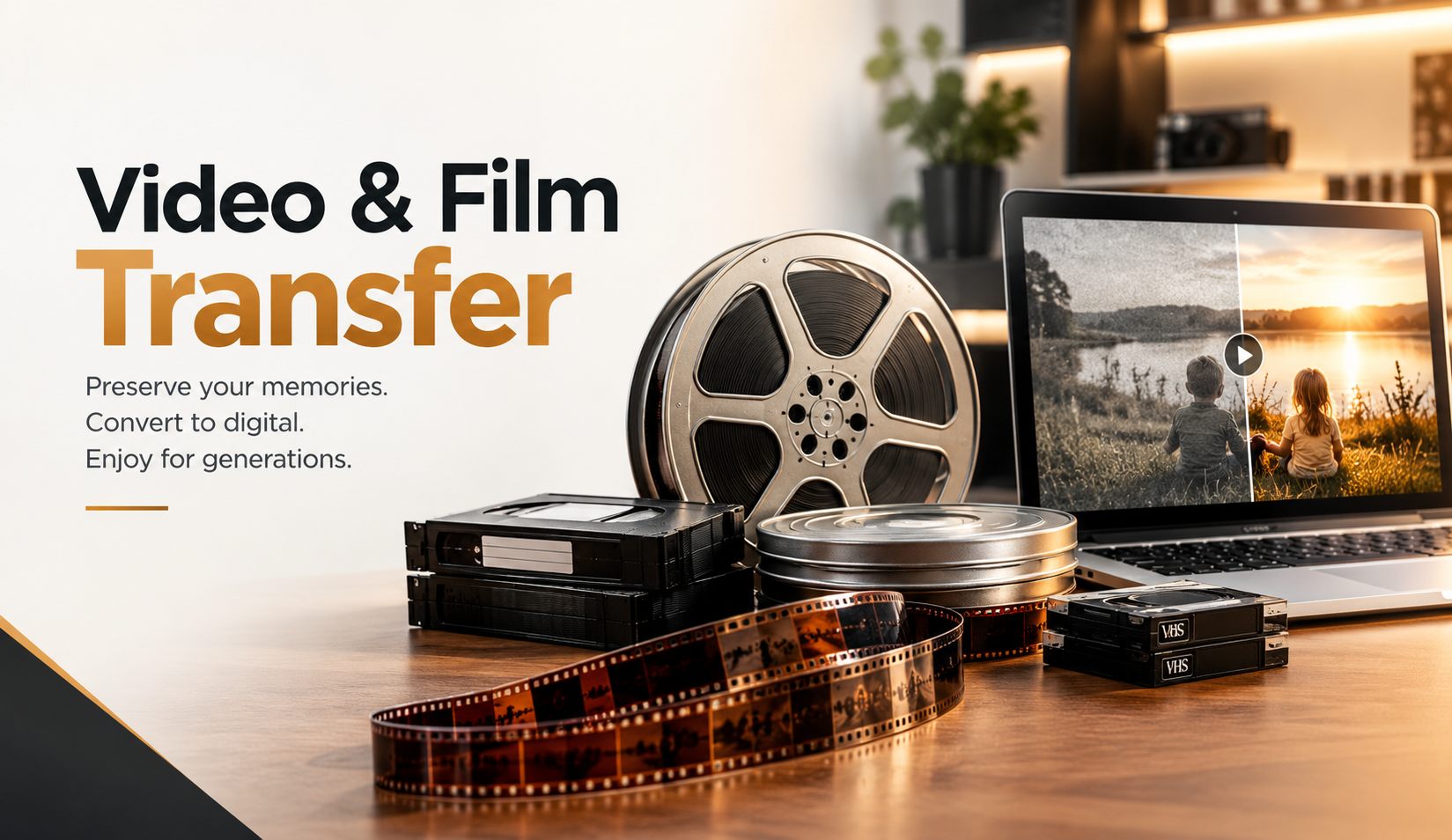
Old family videos often sit in cardboard boxes, forgotten cupboards, or storage rooms for years. Someone eventually discovers a collection of VHS tapes or film reels and realizes that the family no longer owns equipment to play them. What once felt like a permanent record of birthdays, weddings, and childhood memories suddenly becomes difficult to access.
Families aren't the only ones facing this problem. Small businesses, photographers, and event organizers also keep decades of recordings that document important milestones. Unfortunately, heat, moisture, aging materials, and outdated playback equipment can put those recordings at risk before anyone notices visible damage.
We recommend taking a practical approach to preserving old family videos, starting with proper storage and careful handling. Professional Video & Film Transfer can also help families convert aging recordings into accessible digital files while reducing the need to handle fragile originals.
Why Preserving Old Family Videos Matters More Than Ever
Family recordings capture details that photographs cannot always preserve. A grandparent's voice, a child's first steps, or an ordinary conversation during a family gathering often carries meaning that grows with time. Once the original recording deteriorates beyond recovery, no technology can guarantee that those moments will return.
Physical Media Cannot Maintain Its Quality Forever
Older videotapes contain magnetic coatings, plastic components, and other materials that gradually change over time. Heat, humidity, poor storage, and repeated playback can accelerate that deterioration. Some tapes develop tracking problems, unstable pictures, audio distortion, or physical damage that makes playback difficult.
Film reels face different challenges. Depending on their composition and storage history, they may develop color fading, shrinkage, brittleness, or chemical deterioration. We encourage families to inspect their collections before attempting playback, especially when recordings have remained untouched for decades.
Outdated Equipment Creates Another Preservation Problem
Even a well-preserved VHS cassette offers little practical value when nobody can find a working VCR. The same problem affects Video8, Hi8, MiniDV, and other discontinued recording formats. Finding compatible players and maintaining their mechanical components has become increasingly difficult.
We often emphasize that media preservation involves two responsibilities: protecting the original recording and maintaining access to its contents. A healthy tape without a functioning playback device still leaves the family unable to enjoy its memories.
Store Old VHS Tapes and Film Reels in a Safe Environment
Proper storage remains one of the simplest ways to slow physical deterioration. Families don't need a specialized archive room to make meaningful improvements. A clean interior closet with stable environmental conditions usually offers a better starting point than an attic, garage, or basement.
Choose a Cool, Dry, and Stable Storage Location
Excessive heat can damage tape components and accelerate chemical changes in film. High humidity encourages mold growth, while frequent temperature fluctuations create additional stress on aging materials. We recommend selecting a location that stays comfortably cool and dry throughout the year.
Avoid window ledges, garages, damp basements, and shelves near heating equipment. Keep recordings away from direct sunlight, plumbing leaks, and areas where condensation may occur. Stability matters more than choosing a location that feels especially cold during one part of the day.
Keep Videotapes Upright and Properly Protected
Store VHS cassettes upright in their protective cases, much like books on a shelf. This arrangement supports orderly storage and reduces unnecessary pressure on the cassette shells. Keep the cases clean and avoid stacking heavy objects over valuable recordings.
Handle tapes by their outer cases rather than touching exposed magnetic surfaces. For film reels, use suitable archival containers and avoid forcing tightly wound or damaged film through a projector. The Library of Congress also recommends clean handling conditions and appropriate protective storage for audiovisual materials.
Separate Damaged Recordings From Healthy Ones
A musty smell, visible mold, warped cassette shell, or damaged film reel deserves attention before playback. Mold may contaminate equipment and nearby materials, while cracked components can cause a tape to jam. Isolate suspicious recordings and avoid cleaning their recording surfaces with household products.
Some deteriorating film develops a strong vinegar-like odor, curling, or unusual surface deposits. These symptoms can indicate chemical changes that require specialist assessment. We recommend arranging a professional inspection rather than experimenting with cleaning solvents or mechanical repairs at home.
Handle Old Family Videos Carefully to Prevent Further Damage
Many recording problems begin during well-intentioned attempts to watch an old tape. A family finds a VCR, inserts a cassette that hasn't played for twenty years, and discovers that the machine catches the tape. Instead of recovering the memory, the playback attempt creates another problem.
Inspect Recordings Before Attempting Playback
Check each cassette for cracks, loose components, dirt, moisture, or visible damage. Avoid inserting questionable tapes into an unfamiliar or poorly maintained VCR. A malfunctioning player can wrinkle, stretch, or tear the recording material within seconds.
Film reels require similar caution. Look for broken splices, distorted edges, shrinkage, and brittle sections without pulling the film tightly. If a reel resists movement or shows visible deterioration, a preservation specialist can assess whether it can safely pass through transfer equipment.
Avoid Repeated Playback of Fragile Recordings
Every playback session places some mechanical stress on a videotape. A properly maintained machine may handle a healthy cassette without difficulty, but repeated use increases unnecessary risk when the recording already shows signs of deterioration.
We recommend limiting playback of valuable originals once a reliable digital copy exists. Families can use digital files for everyday viewing, editing, and sharing while keeping physical recordings safely stored.
Never Attempt Risky Household Repairs
Families sometimes consider opening a VHS cassette, applying cleaning products, or using heat to repair a recording. These methods can create additional damage, especially when someone lacks the proper tools and experience.
Avoid household cleaners, hair dryers, excessive rewinding, and improvised tape repairs. Some professional recovery methods require specialized equipment and strict handling procedures. Valuable or irreplaceable recordings deserve careful assessment before anyone attempts restoration.
Convert Old Family Videos to Digital Formats for Long-Term Protection
Physical storage helps preserve the original material, but it cannot solve the problem of disappearing playback technology. Digitization creates a practical way to watch recordings on modern devices while reducing dependence on old tapes and projectors.
Understand the Benefits of VHS to Digital Conversion
Converting VHS tapes to digital video allows families to store recordings on computers, external drives, and other modern storage systems. Digital files also simplify sharing because relatives no longer need compatible cassette players to watch the same footage.
We recommend choosing a widely supported viewing format, such as MP4, alongside a high-quality preservation copy when appropriate. The preservation copy retains more flexibility for future editing or conversion, while the smaller viewing file makes everyday access easier.
Choose the Right Transfer Method for Different Media
Not every family recording requires the same transfer process. VHS and Hi8 recordings rely on magnetic tape playback, while 8mm, Super 8, and 16mm film use photographic images on physical film strips.
Film transfer equipment may capture footage through a telecine process or scan individual frames. These methods involve different considerations for resolution, handling, and image quality. Families comparing film conversion options can review the differences between film transfer and scanning before selecting a suitable approach.
Understand What Digital Restoration Can Achieve
Digital processing can sometimes improve contrast, reduce distracting noise, stabilize footage, or correct certain color problems. However, restoration cannot reliably recreate image details that the original recording never captured or has permanently lost.
We encourage families to preserve an unaltered transfer whenever possible before making enhanced versions. This approach protects the original visual character of the recording and gives future generations greater flexibility when newer restoration tools become available.
Organize Digital Family Videos for Easy Access
Digitization solves the playback problem, but a poorly organized collection can quickly become frustrating. A folder containing dozens of files with names such as Video001.mp4 offers little help when someone wants to find a particular birthday or wedding.
Create Meaningful File Names and Folders
Start with simple, descriptive names that identify the event, approximate date, and people involved. A filename such as 1998_Family_Wedding_Lahore.mp4 communicates more information than an automatically generated number.
When exact dates remain uncertain, use an approximate year or a short description rather than guessing. We recommend grouping recordings by decade, family branch, or event type, depending on the size of the collection. Consistent naming makes future searches much easier.
Preserve the History Behind Each Recording
Family members sometimes recognize faces, locations, and voices that younger generations cannot identify. Those details deserve attention while people can still share accurate information.
We suggest recording names, locations, dates, and brief descriptions alongside important videos. A simple spreadsheet or text document works well for this purpose. Families can also record short interviews with relatives to explain the events and relationships that appear in the footage.
Keep Original and Edited Versions Separate
A restored or shortened video may serve a different purpose from a complete archival recording. For example, a family might create a five-minute anniversary montage from several hours of wedding footage.
We recommend maintaining separate folders for original digital transfers, edited videos, and smaller sharing copies. Clear distinctions prevent accidental overwriting and protect footage that may hold historical or personal significance beyond the immediate project.
Create Reliable Backups of Digitized Family Videos
Digital conversion marks an important step, but a single file does not guarantee long-term preservation. Computers fail, storage devices become damaged, and people sometimes delete folders without realizing what they contain.
Follow the 3-2-1 Backup Strategy
A practical approach uses three copies of important files, with copies on at least two storage devices or media types and one copy kept somewhere else. For example, a family might maintain the main archive on a computer, another copy on an external drive, and an additional copy in reputable cloud storage.
This arrangement reduces the likelihood that one equipment failure or local accident will destroy the entire collection. We recommend treating cloud storage as one part of the plan rather than assuming that an online account alone provides complete protection.
Check Your Backups Periodically
An external hard drive sitting untouched for years may eventually develop problems. Cloud accounts can also encounter access issues, unexpected deletions, or subscription changes. Keeping several copies helps, but families should still confirm that their files remain readable.
Open a selection of videos periodically and verify that the sound and picture play correctly. For valuable archives, file checksums can help detect unexpected changes over time. Move files to newer storage devices as technology and equipment requirements evolve.
Protect Private Family Recordings
Some videos contain intimate family moments, children, private conversations, or sensitive personal information. Sharing these recordings requires the same care that families apply to other private documents.
Choose cloud services with suitable security features, enable account protection, and review sharing permissions before distributing links. We also recommend discussing access preferences with family members rather than making every recording publicly available.
Common Mistakes That Put Old Family Videos at Risk
Many preservation problems come from ordinary decisions that initially seem harmless. Families may store tapes wherever space remains available or postpone digitization because the recordings still appear to be in reasonable condition.
Waiting Until Visible Damage Appears
A videotape can develop physical or chemical problems before those changes become obvious from the outside. Likewise, a family might discover that its last functioning camcorder no longer plays a tape when someone finally decides to revisit the footage.
We recommend prioritizing digitization based on sentimental importance, media condition, and available playback equipment. Don't wait for a recording to become visibly damaged before considering its future.
Depending Entirely on DVDs or USB Drives
DVDs and USB flash drives provide useful ways to distribute recordings, but they should not serve as the only long-term archive. Discs can become unreadable, removable drives can fail, and small devices are easy to misplace.
We encourage families to maintain additional digital copies on reliable storage systems. When someone receives videos on a DVD or USB drive, copying the files into an organized backup arrangement should become an early priority.
Discarding Original Tapes Immediately
Digital copies offer convenient access, but conversion does not always capture every aspect of the source perfectly. Transfer equipment, playback settings, and the original condition of the recording can influence the final result.
We recommend keeping valuable originals after digitization whenever practical, especially if the recordings contain unique footage. A future transfer may recover additional details or produce a different result as preservation technology improves.
Develop a Practical Family Video Preservation Plan
A large collection can feel overwhelming, particularly when dozens of unmarked tapes fill several boxes. Families don't need to complete everything at once. A simple inventory and clear priorities can turn a complicated project into a manageable process.
Start With an Inventory of Existing Recordings
Count the tapes and film reels, identify their formats, and note any visible problems. Separate VHS, VHS-C, MiniDV, Hi8, and photographic film rather than assuming one transfer method works for all of them.
Record whatever information appears on the original labels, including dates, names, locations, and event descriptions. Even handwritten notes with uncertain dates may help relatives identify important footage later.
Prioritize Valuable and Vulnerable Recordings
Begin with unique recordings that hold strong personal significance or show visible signs of deterioration. Weddings, childhood memories, interviews with older relatives, and footage of deceased family members often deserve early attention.
We also suggest considering equipment availability. A healthy tape that requires an increasingly uncommon playback machine may deserve priority even when it shows no obvious physical damage.
Plan the Budget Around Preservation Needs
Different formats, recording lengths, media conditions, and output requirements can affect transfer costs. Families should understand what a service includes before comparing prices.
Ask whether the provider inspects damaged recordings, returns the original media, offers digital files, and supports the requested formats. Clarify how the provider handles privacy, restoration requests, and files that require additional work. These questions help families make sensible decisions without paying for unnecessary extras.
Frequently Asked Questions About Preserving Old Family Videos
1. How Long Do Old VHS Tapes Last?
VHS tapes do not have one guaranteed lifespan. Their condition depends on manufacturing quality, storage conditions, handling, and playback history. Some recordings remain usable after decades, while others develop problems much earlier. We recommend keeping tapes in stable conditions and digitizing valuable footage before deterioration or equipment failure makes recovery difficult.
2. Can Damaged VHS Tapes Still Be Converted to Digital?
Some damaged VHS tapes remain recoverable, depending on the type and severity of the problem. Specialists may address certain cassette defects, playback issues, or physical damage before attempting a transfer. However, severe deterioration can cause permanent information loss. We recommend a professional assessment rather than testing fragile recordings repeatedly on household equipment.
3. What Is the Best Digital Format for Old Family Videos?
MP4 with H.264 video offers a practical choice for everyday viewing because many computers, smartphones, and televisions support it. For archival purposes, a higher-quality preservation master may provide additional benefits. We generally recommend retaining both a preservation copy and an easy-to-share viewing version when the collection's importance and budget justify that approach.
4. Should We Keep Original Tapes After Digitizing Them?
Yes, keeping original recordings is sensible whenever storage space and media condition allow. The original may contain information that a particular transfer process did not fully recover, and future equipment could produce a better result. We recommend returning tapes to suitable protective cases and storing them separately from the digital archive.
Conclusion: Preserve Family Memories Before They Become Difficult to Recover
Protecting old family videos requires more than placing tapes in a safe box. Proper storage, careful handling, timely digitization, and reliable backups work together to keep important recordings accessible. Each step addresses a different risk, from physical deterioration to obsolete playback equipment and accidental digital file loss.
We believe the most practical preservation plans begin with understanding what a collection contains and identifying the recordings that matter most. Families can then choose suitable transfer methods, organize their files, and maintain multiple copies without making the process unnecessarily complicated.
At Laguna Digital, we understand why families and organizations value recordings that document meaningful moments and personal histories. If you have old videotapes or film reels that need attention, consider discussing their condition and transfer options with an experienced preservation provider. A thoughtful decision today can make those memories much easier to revisit and share in the years ahead.

 English
 Arabic
 French
 Spanish
 Portuguese
 Deutsch
 Turkish
 Dutch
Dutch
 Italiano
 Russian
 Romaian
 Greek
Greek