


Glucose Drip at Home: Safety Precautions Every Patient Should Understand
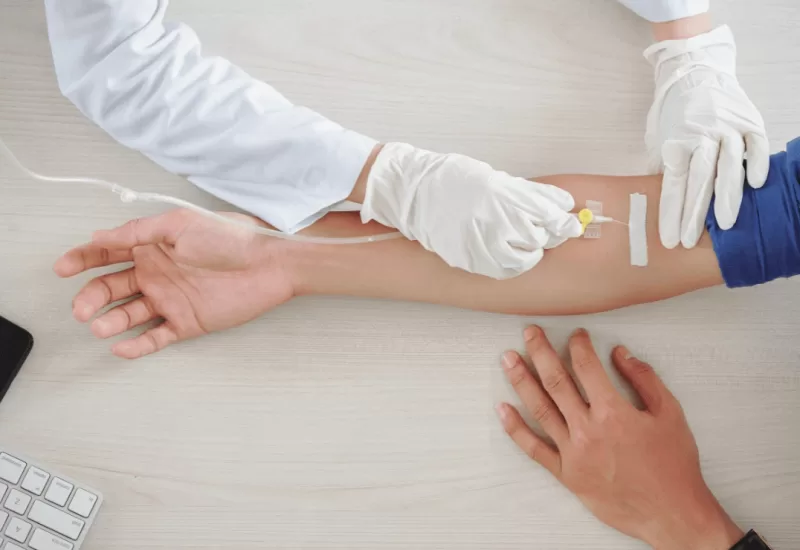
Receiving medical treatment at home can be convenient for patients recovering from illness, experiencing reduced food intake, or requiring prescribed intravenous support. However, intravenous treatments must always be approached with care and professional supervision. Glucose Drip at Home in Dubai may be appropriate for selected patients when a qualified healthcare professional determines that intravenous glucose is medically necessary. A Doctor at Home service can assess the patient's condition, review medical history, and determine whether this treatment is suitable. Understanding the potential risks, preparation requirements, and essential safety precautions helps patients and families make informed decisions and prioritize safe recovery.
Understanding Glucose Drip Treatment at Home:
A glucose drip delivers a sterile glucose-containing solution directly into a vein through an intravenous line. Glucose provides energy, but the purpose of an infusion depends on the patient's medical condition and the prescribed solution. It may be used in specific clinical situations, including certain glucose-related problems or as part of a medically supervised fluid-management plan. However, glucose drips are not a universal treatment for weakness, tiredness, or dehydration. Some solutions contain no electrolytes, so they may not adequately replace salts lost through vomiting or diarrhea. Before treatment begins, a qualified clinician should assess the patient's symptoms, hydration status, blood glucose when indicated, and any relevant medical conditions to determine whether intravenous glucose is necessary.
Why Medical Assessment Is Essential Before an Infusion:
Medical assessment is one of the most important precautions before receiving intravenous glucose at home. A healthcare professional should identify the reason for treatment and review the patient's current symptoms, medical history, medications, allergies, and recent food and fluid intake. Depending on the situation, the assessment may include checking vital signs, blood glucose, hydration status, and laboratory results. Patients with diabetes, kidney disease, heart conditions, or fluid-balance problems may need additional monitoring because glucose administration can affect blood sugar and fluid levels. The clinician should also consider whether oral fluids, dietary support, a different intravenous fluid, or hospital-based treatment would be safer. Patients should not request or receive an infusion simply because they feel weak without first understanding the cause of their symptoms.
Choosing a Qualified Home Healthcare Provider:
The safety of a home infusion depends heavily on the qualifications of the healthcare professional and the quality of the service. Patients arranging Glucose Drip at Home in Dubai should choose a provider that uses appropriately licensed professionals, follows infection-prevention procedures, and conducts a clinical assessment before treatment. The provider should explain why the infusion is recommended, what solution will be administered, how long treatment is expected to take, and which side effects require attention. Patients should feel comfortable asking questions and sharing concerns before agreeing to treatment. Important points to confirm include:
-
The infusion is prescribed or approved by a qualified clinician.
-
The healthcare professional is appropriately licensed and trained in intravenous therapy.
-
Sterile, single-use supplies are used where required.
-
The solution, dosage, and administration rate follow the prescribed plan.
-
A monitoring and follow-up process is clearly explained.
-
The provider has instructions for responding to complications or arranging urgent medical care.
Preparing the Home Environment for Safe Treatment:
A clean, comfortable, and well-lit area can help the healthcare professional perform the procedure safely. Before the appointment, patients or caregivers should prepare a space where the professional can work without unnecessary interruptions. The area should have a stable surface for equipment, suitable seating or a bed, and enough room to assess the patient and manage the IV line. Pets, clutter, and avoidable distractions should be kept away from the treatment area. Patients should also have their medication list, allergy information, recent medical reports, and relevant prescriptions available. Preparation does not replace professional infection-control measures, but it can support an organized visit and help the clinician complete the necessary checks before starting the infusion.
Infection Prevention and IV Site Care:
Because intravenous glucose enters the bloodstream through a vein, infection prevention is essential. The healthcare professional should perform appropriate hand hygiene, prepare the insertion site correctly, and use sterile equipment according to clinical standards. Patients and family members should avoid touching the catheter, tubing connections, or insertion site unnecessarily. The IV line should not be adjusted, disconnected, or removed by an untrained person. During treatment, the insertion area should be observed for pain, redness, swelling, warmth, leakage, or other unusual changes. These symptoms may indicate irritation, infiltration, or infection and should be reported promptly. After the infusion, patients should follow the professional's instructions for site care and seek medical advice if discomfort, redness, discharge, or swelling develops or worsens.
Monitoring for Side Effects and Complications:
Patients should be monitored during intravenous glucose therapy according to their clinical needs and the prescribed treatment plan. Possible complications include changes in blood glucose, fluid overload, vein irritation, infection, and electrolyte disturbances, depending on the solution and the patient's condition. People with diabetes or conditions affecting kidney and heart function may require particular attention. Patients should immediately tell the healthcare professional if they experience burning or pain at the IV site, swelling around the catheter, dizziness, unusual sweating, palpitations, or sudden discomfort. New or worsening breathlessness, chest pain, severe confusion, collapse, or signs of a serious allergic reaction require emergency assistance. Never attempt to correct a complication by changing the infusion rate or manipulating the equipment without appropriate clinical direction.
Following the Prescribed Treatment Plan:
A glucose drip should only be administered according to the clinician's instructions. Patients and caregivers must not change the solution, dose, or infusion rate, repeat treatment, or use leftover intravenous products without medical authorization. The healthcare professional should explain the treatment's purpose and any monitoring that may be needed afterward. Patients should continue prescribed medications unless their clinician advises otherwise and attend recommended follow-up appointments. If the original symptoms persist after the infusion, further evaluation may be necessary to identify the underlying cause. Intravenous glucose does not replace balanced nutrition, appropriate oral hydration, or treatment for an underlying illness. A clear treatment plan helps prevent unnecessary infusions and supports safer, more coordinated recovery.
Practical Safety Precautions for Patients and Caregivers:
Patients and caregivers can contribute to safe home treatment by understanding the instructions provided by the healthcare team and reporting changes promptly. Before, during, and after an infusion, they should keep the following precautions in mind:
-
Share complete information about medical conditions, allergies, and current medications.
-
Confirm the purpose of the infusion and understand its potential risks.
-
Do not administer intravenous glucose without qualified medical supervision.
-
Keep the IV line and insertion site clean and avoid unnecessary contact.
-
Report pain, redness, swelling, leakage, dizziness, or other unexpected symptoms.
-
Follow instructions for monitoring, hydration, nutrition, and follow-up care.
-
Seek urgent medical help if severe or rapidly worsening symptoms develop.
When to Seek Medical Attention Instead of Home Treatment:
Home infusion is not appropriate for every patient or every medical situation. Severe dehydration, persistent vomiting with an inability to retain fluids, markedly reduced urine output, or worsening weakness may require urgent medical assessment. Confusion, fainting, chest pain, severe breathing difficulties, or difficulty waking are emergency warning signs. Patients with diabetes who experience severe symptoms associated with abnormal blood glucose should follow their emergency care plan and seek prompt medical help. In these situations, arranging a routine home infusion could delay necessary treatment. A healthcare professional should determine whether the patient can safely receive care at home or requires evaluation at a hospital.
Final Thoughts
Glucose Drip at Home in Dubai can be a convenient option for patients who have a genuine medical need for intravenous glucose, but safety must remain the priority. Proper clinical assessment, a qualified healthcare provider, sterile equipment, careful monitoring, and adherence to the prescribed treatment plan are essential precautions. Patients should remember that glucose infusions are not suitable for every type of dehydration or episode of weakness, and some patients may need electrolyte replacement or a different treatment altogether. By asking questions, reporting symptoms, and following professional guidance, patients and caregivers can make more informed decisions and support a safer recovery at home.

 English
 Arabic
 French
 Spanish
 Portuguese
 Deutsch
 Turkish
 Dutch
Dutch
 Italiano
 Russian
 Romaian
 Portuguese (Brazil)