


Fabric Sourcing and Supplier Selection: Building a Strong Foundation for Modern Fashion
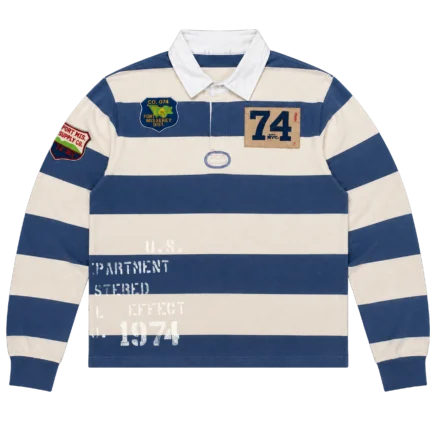
Fabric Sourcing and Supplier Selection: Building a Strong Foundation for Modern Fashion
Every clothing collection begins with decisions that influence its final appearance, comfort, and overall quality. One of the most important decisions is choosing the right fabric and finding suppliers who can provide it consistently. Fabric sourcing connects creative fashion ideas with practical manufacturing requirements, helping businesses turn designs into wearable products. For a brand such as 74iswar, this topic offers an opportunity to explore the decisions that shape clothing production before a garment is even made.
Understanding Fabric Sourcing in the Fashion Industry
Fabric sourcing is the process of finding, evaluating, and purchasing materials needed to produce clothing. It involves considering factors such as material composition, texture, weight, color, availability, price, and suitability for a particular design.
Different garments require different fabric characteristics. A lightweight material may be appropriate for warm-weather clothing, while a heavier fabric may be better suited to structured outerwear. The right choice depends on the intended use of the garment and the qualities the designer wants to achieve.
Successful sourcing requires more than selecting a material that looks attractive. Businesses must also consider how the fabric behaves during cutting, sewing, washing, and regular wear.
Why Supplier Selection Matters
Fabric suppliers play an important role in the clothing production process. They provide the materials that manufacturers depend on to meet their design and production requirements.
A reliable supplier should be able to communicate clearly about product specifications, pricing, minimum order quantities, delivery schedules, and material availability. Consistent communication can help businesses plan production and respond to changes more effectively.
Supplier selection also involves assessing whether a company can meet the required quality standards. A material that looks suitable in a small sample may behave differently when ordered in larger quantities, making careful evaluation especially important.
Comparing Different Fabric Types
Before choosing a supplier, clothing businesses need to understand the materials available to them. Natural fibers, synthetic fibers, and blended fabrics each have different characteristics.
Cotton is widely used because of its familiar feel and versatility. Polyester is valued for several practical properties, including its resistance to wrinkles. Blended fabrics combine different fibers to achieve a balance of characteristics.
The best option depends on the garment's purpose rather than popularity alone. Designers should consider breathability, durability, flexibility, texture, maintenance requirements, and the intended appearance.
Comparing several fabric options can help a business find a material that meets both its creative goals and production needs.
Evaluating Fabric Samples Before Ordering
Fabric samples allow designers and production teams to assess a material before committing to a larger purchase. They provide an opportunity to examine color, texture, thickness, flexibility, and overall suitability.
A useful evaluation process may include checking how the fabric feels, how it drapes, and whether it matches the original design concept. Depending on the garment, the team may also test shrinkage, colorfastness, or performance after washing.
Sample evaluation reduces uncertainty because decisions are based on the actual material rather than a supplier's description alone.
When a sample is approved, businesses can retain it as a reference for later deliveries. This makes it easier to compare future fabric batches with the material originally selected.
Balancing Cost and Material Quality
Price is an important consideration when sourcing fabric, but choosing the cheapest option does not always provide the best overall value.
A low-cost material may require additional handling, create more production waste, or fail to meet the desired appearance and durability standards. These problems can increase total costs even when the original purchase price is attractive.
Businesses should compare suppliers using several factors, including material quality, minimum order quantities, shipping charges, payment terms, and delivery reliability.
A balanced decision considers the complete cost of obtaining and using the fabric. This helps businesses manage budgets without overlooking the requirements of the finished garment.
Understanding Minimum Order Quantities
Many suppliers establish minimum order quantities, meaning that a buyer must purchase at least a specified amount of material. These requirements can influence how a clothing collection is planned.
Large orders may offer better pricing per unit, but they can also require more storage space and tie up working capital. Smaller orders may provide flexibility, although their unit prices can sometimes be higher.
Fashion businesses need to compare these trade-offs before confirming an order. The decision should reflect realistic production needs, available resources, and the expected demand for the collection.
Careful planning can reduce the risk of purchasing more material than the business can use.
Managing Lead Times and Delivery Schedules
Lead time refers to the period between placing an order and receiving the materials. Fabric availability, production capacity, transportation, and seasonal demand can all affect delivery schedules.
If fabric arrives late, garment production may also be delayed. This can affect product launch dates, staff planning, and customer expectations.
Businesses can manage these risks by confirming delivery estimates in advance, maintaining clear communication with suppliers, and allowing reasonable time for unexpected delays.
For important materials, having an alternative supplier may also help reduce dependence on a single source. However, alternative materials should be checked carefully to ensure that they meet the required specifications.
Building Long-Term Supplier Relationships
Strong supplier relationships can make clothing production easier to manage. When both sides understand expectations, communication about changes, problems, and future requirements can become more efficient.
Businesses can support these relationships by providing accurate specifications, confirming orders clearly, making agreed payments, and communicating concerns professionally.
Suppliers can contribute by sharing realistic delivery estimates, informing buyers about material changes, and responding promptly to questions.
A long-term relationship does not remove the need for quality checks. Instead, regular evaluation and transparent communication help both parties maintain consistent standards while adapting to changing requirements.
Responsible Fabric Sourcing
Responsible sourcing involves considering the wider effects of material purchasing decisions. Depending on the business and available information, this may include evaluating material origins, production methods, chemical management, waste reduction, and supplier working practices.
Some materials may come with recognized certifications or documentation, but businesses should verify the scope and validity of any claims before using them in marketing.
Transparency is important because environmental and ethical statements should be supported by reliable evidence. Clear records can help companies understand where materials come from and communicate accurately with customers.
Responsible sourcing is not simply about following a trend. It involves making informed decisions that consider material performance, production requirements, and wider business responsibilities.
How Fabric Choices Influence Clothing Design
Fabric selection can influence nearly every part of a garment's design. A material's weight affects how it falls, its stretch influences movement, and its surface texture changes the way colors and graphics appear.
Designers often need to adjust patterns or construction methods to suit the selected material. For example, a fabric that stretches may require different handling from a stable woven material.
These decisions show why sourcing and design teams should communicate throughout development. Choosing fabric early and testing it properly can prevent avoidable changes later in production.
The relationship between material and design is especially important for clothing intended to combine visual character with everyday practicality.
Improving Sourcing Decisions With Better Records
Organized sourcing records help businesses compare suppliers and maintain consistency across different orders. Useful 74iswar hoodie information may include fabric composition, supplier details, approved samples, prices, delivery dates, and inspection results.
These records make it easier to investigate problems when a later shipment differs from an earlier one. They also help businesses review supplier performance and plan future purchases using previous experience.
Digital spreadsheets or inventory systems can make this information easier to update and share between relevant teams.
Good records support better decisions because they replace uncertain recollections with documented information.
The Future of Fabric Sourcing in Fashion
Fabric sourcing continues to evolve as businesses respond to changing customer expectations, production technologies, and supply chain challenges. Better digital communication can help buyers compare options, while improved material testing can support more informed purchasing decisions.
However, technology cannot replace every aspect of sourcing. Physical samples, reliable supplier communication, and appropriate quality checks remain valuable when assessing whether a material meets a garment's needs.
For businesses working in contemporary fashion, 74iswar clothing can be considered in the wider context of how material selection, design planning, and consistent sourcing contribute to a recognizable clothing identity.
Conclusion
Fabric sourcing and supplier selection are essential parts of clothing production. The right materials support the intended design, while dependable suppliers help businesses manage quality, costs, and delivery schedules.
By testing samples, comparing total costs, reviewing supplier performance, and maintaining clear records, clothing businesses can make more informed sourcing decisions. These practices create a stronger foundation for production and help turn creative concepts into garments that meet defined expectations.
As the fashion industry continues to change, thoughtful material selection and reliable supplier relationships will remain valuable elements of an organized and responsible production process.

 English
 Arabic
 French
 Spanish
 Portuguese
 Deutsch
 Turkish
 Dutch
Dutch
 Italiano
 Russian
 Romaian
 Greek
Greek