


Reliable Shut-Off Solutions for Industrial Pipelines
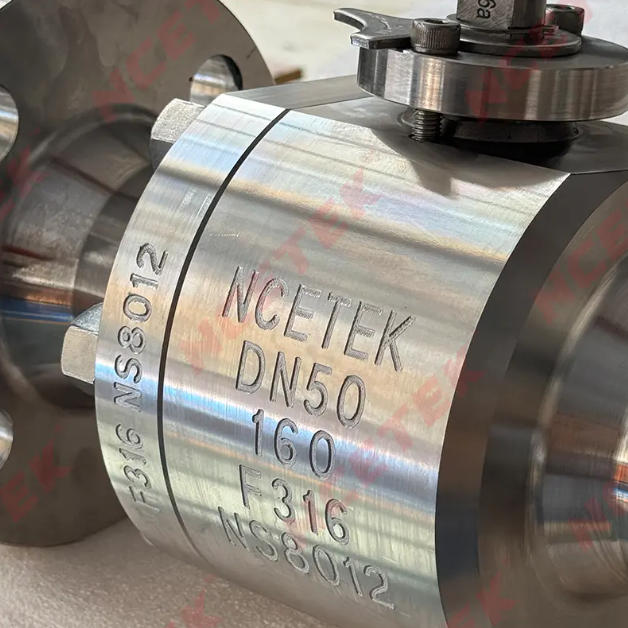
Industrial pipelines depend on shut-off valves that provide dependable sealing, manageable operating torque, and compatibility with the transported medium. A Cast Steel Floating Ball Valve uses a spherical closure element that can move slightly under differential pressure to establish contact with the downstream seat. This operating principle is suitable for many general isolation duties when the valve is selected within its design limits. Buyers should consider pressure, temperature, nominal size, media characteristics, and applicable standards before confirming the final configuration.
Cast steel is widely used in industrial valve body construction because it can support a variety of pressure-containing shapes and designs. Depending on the application, carbon steel or other specified cast steel grades may be available. The material must be suitable for the process fluid, operating temperature, design pressure, and surrounding environment. Selecting the body material alone is not enough; the ball, stem, seats, fasteners, and other internal components must also be compatible with the intended service.
The floating-ball mechanism distinguishes this design from trunnion-mounted valves. In a floating design, the ball is not supported by dedicated trunnions that carry the principal ball loads. Instead, pressure across the closed valve helps move the ball toward the downstream seat, creating the sealing contact. This arrangement offers a relatively straightforward structure for many applications. However, the loads applied to the seats and the operating torque can increase with pressure and valve size, so the design should be checked against the actual operating conditions.
Seat technology directly influences leakage performance and operating characteristics. Soft-seat materials may provide tight shut-off when their temperature, pressure, and chemical compatibility limits are satisfied. PTFE and other engineered polymers are used in some valve designs, but the exact material must be confirmed for the medium and operating range. For applications with more demanding temperatures or other severe conditions, alternative seat constructions may be necessary. Buyers should specify the required leakage criteria rather than assuming all valves deliver the same sealing performance.
Machining accuracy is another important factor. The ball surface, seat contact areas, stem fit, and body interfaces must meet the tolerances established by the design. Poor dimensional control can cause uneven seat contact, excessive torque, or premature wear. Reliable production therefore involves appropriate machining processes, dimensional inspection, assembly checks, and testing according to the relevant specification. Consistent manufacturing controls help reduce variation between individual valves and repeat orders.
Connection type and installation dimensions must match the pipeline design. Depending on the model, end connections may include flanged or other specified configurations. Buyers should verify the nominal diameter, pressure class, connection dimensions, face-to-face length, and available operating clearance before procurement. If the valve will use an actuator, the required torque and mounting interface should be confirmed. These checks help prevent installation delays and avoidable changes at the job site.
Floating ball valves can be used in water systems, utility lines, selected chemical processes, and compatible oil and gas applications. Each service has its own requirements. Corrosive media may require special material selection, while hazardous applications may require additional provisions for fire safety, antistatic performance, or emissions control. These features must be confirmed for the specific model and should not be assumed to be standard across every product.
Quality verification should follow the applicable valve standard and purchase specification. Depending on the order, inspections may include material checks, dimensional verification, shell pressure testing, seat leakage testing, and operational checks. Some projects may also require inspection records or material traceability. Agreeing on the testing scope before production helps ensure that the delivered valve meets the technical and documentation requirements of the project.
Correct installation and maintenance support long-term performance. Pipeline cleanliness, proper alignment, and operation within rated limits help protect the seats and closure mechanism. Operators should investigate abnormal torque, external leakage, or reduced shut-off performance using approved procedures. Replacement components should match the original design and remain compatible with the process conditions.
Selecting a Cast Steel Floating Ball Valve requires matching the floating mechanism, material specification, and seat arrangement to the actual application. Zhejiang Naishi Valve Co., Ltd. offers industrial valve options for different pipeline requirements, with final model selection based on project conditions. To review available products and discuss suitable configurations, visit https://www.ncevalve.com/product/.

 English
 Arabic
 French
 Spanish
 Portuguese
 Deutsch
 Turkish
 Italiano
 Russian
 Romaian
 Portuguese (Brazil)
 Greek