


What Your Body May Be Missing?
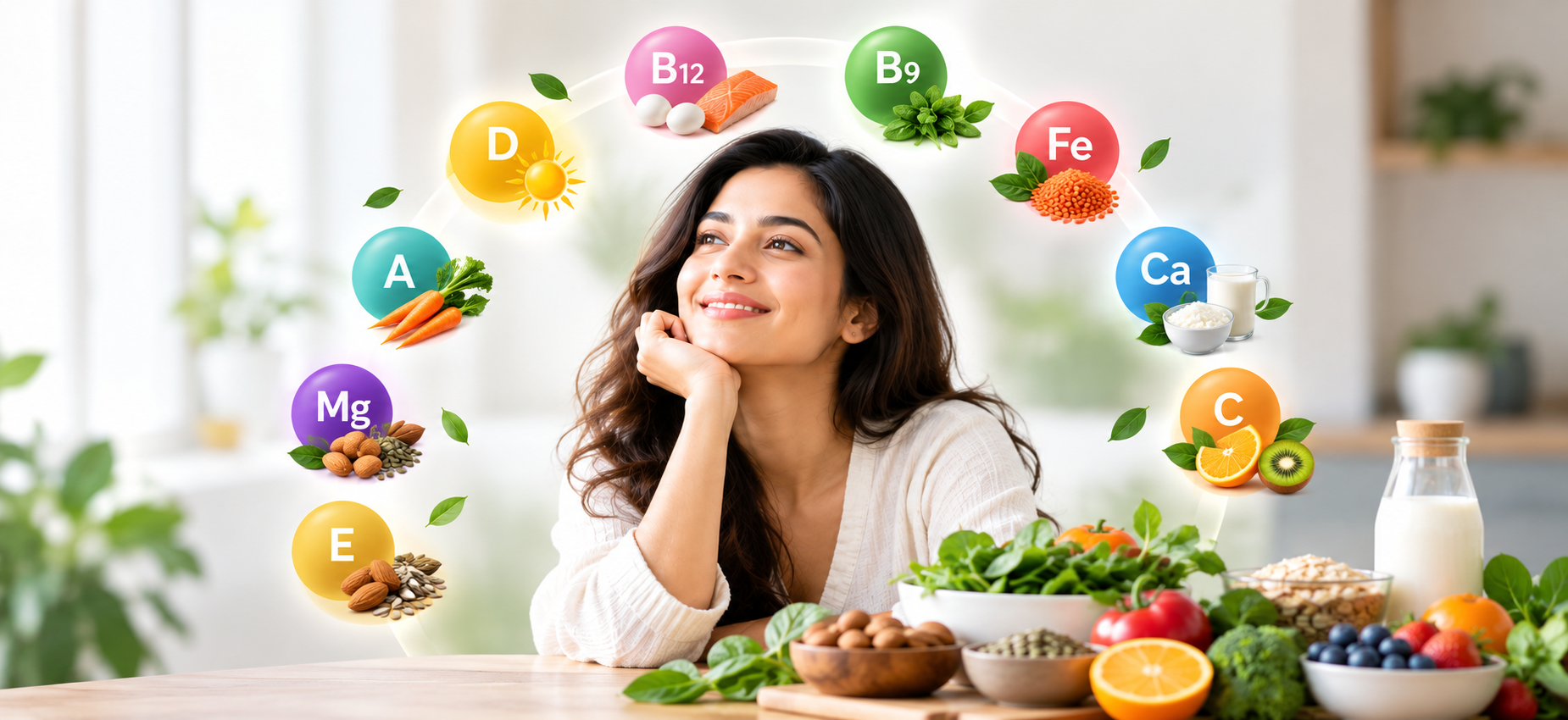
From managing busy schedules to maintaining healthy eating habits, women often have to balance several responsibilities every day. With so many nutritional supplements available, one question deserves a closer look: Do multivitamins really work for women?
Multivitamins can be useful when a woman's diet does not provide enough essential nutrients. However, their effectiveness depends on individual nutritional needs, existing deficiencies, and the ingredients included in the formulation.
Understanding when supplements may help can make choosing multi vitamin tablets for women easier and more practical.
Why Women's Nutritional Requirements Need Special Attention
Women's nutritional requirements can change throughout adulthood. Menstruation, pregnancy, breastfeeding, menopause, and ageing may influence the amounts of certain vitamins and minerals needed by the body.
For example, women experiencing menstrual blood loss may need to pay closer attention to iron intake. Women planning pregnancy require adequate folic acid, while bone health becomes an important consideration during and after menopause.
These differences explain why a single supplement formula may not be appropriate for every woman.
How Do Multivitamins Support Women's Health?
Multivitamins generally combine several vitamins and minerals into one product. Their primary purpose is to help meet nutritional requirements when dietary intake is insufficient.
Different nutrients contribute to different biological functions. B vitamins support normal energy metabolism, vitamin D contributes to bone health, and zinc plays a role in normal immune function.
However, these benefits relate to the nutrients themselves. Taking additional amounts does not necessarily improve health when the body already receives enough through food.
Can Multivitamins Help Women Who Feel Tired?
Feeling tired after a demanding day is common, but persistent fatigue should not automatically be attributed to vitamin deficiency.
Low iron levels, inadequate vitamin B12 intake, poor sleep, stress, and certain medical conditions may contribute to tiredness.
Appropriate supplementation can help when a diagnosed nutrient deficiency is responsible. However, vitamin tablets for women are not a substitute for identifying the underlying cause of ongoing fatigue.
If tiredness continues despite adequate rest, medical evaluation may be more useful than starting several supplements.
Are Multivitamins Useful During Menstruation?
Menstrual blood loss can affect iron requirements, particularly in women who experience heavy periods.
Iron supports haemoglobin production, which allows red blood cells to transport oxygen throughout the body.
Women with heavy menstrual bleeding may be at greater risk of iron deficiency, but this does not mean everyone needs an iron supplement.
Dietary assessment and appropriate testing can help determine whether additional iron is necessary.
What About Women's Bone Health?
Maintaining healthy bones requires more than taking a daily tablet. Adequate calcium, vitamin D, protein, and regular physical activity all contribute to skeletal health.
As women approach menopause, hormonal changes can accelerate bone loss, making long-term nutritional habits particularly important.
Women can obtain calcium from dairy products, fortified alternatives, and selected plant foods. Vitamin D may come from food, supplements, and sunlight exposure.
Supplementation should be considered when individual requirements cannot be met adequately through other sources.
Should Women Choose Ayurvedic Multivitamins?
Some women prefer supplements containing botanical ingredients alongside conventional vitamins and minerals.
An ayurvedic multivitamin for women may include herbal extracts, but its composition depends on the manufacturer and the specific product.
Before purchasing, examine the declared ingredients, nutrient quantities, dosage instructions, and quality information.
It is also important to remember that natural ingredients are not automatically risk-free. Certain herbs can interact with medicines or may be unsuitable during pregnancy and breastfeeding.
The effectiveness of a formulation should be judged by reliable evidence for its ingredients and intended use, rather than traditional claims alone.
When Might a Daily Multivitamin Be Worth Considering?
A women's daily multivitamin may be useful in certain circumstances, especially when dietary intake is limited or nutritional requirements are increased.
Situations that may justify discussing supplementation with a healthcare professional include:
- Following a restrictive or highly limited diet
- Having difficulty obtaining sufficient nutrients from food
- Planning pregnancy or requiring prenatal nutritional support
- Having a diagnosed vitamin or mineral deficiency
- Experiencing medical conditions that affect nutrient absorption
Women interested in how nutritional priorities change with age can also read our guide to multivitamins after 30.
How to Select a Suitable Multivitamin in India
When comparing a multivitamin for women in India, focus on the product's nutritional composition rather than the number of advertised benefits.
Review the serving size, percentage of recommended nutrient intake, manufacturer details, and applicable regulatory information.
Avoid products that provide unnecessarily high doses of nutrients without a clear reason. Also check whether other supplements you take contain overlapping ingredients.
For additional guidance on evaluating supplement claims, explore whether multivitamins are a worthwhile choice.
Can Active Women Benefit from Multivitamins?
Women who exercise regularly need adequate nutrition to support muscle function, physical activity, and recovery.
However, exercise does not automatically create a need for a multivitamin. Sufficient food intake, protein, hydration, and rest remain important foundations of fitness.
Our article on vitamins and muscle training provides additional context about the role of micronutrients in an active lifestyle.
Final Thoughts: Do Multivitamins Really Work for Women?
Multivitamins can help women meet their nutritional requirements when specific dietary gaps exist. However, they do not guarantee improved energy, healthier skin, stronger immunity, or disease prevention for everyone.
The best approach is to understand your individual needs, maintain a balanced diet, and seek professional guidance when supplementation may be appropriate.
Whether considering conventional supplements or herbal formulations, choosing products based on transparent ingredients, appropriate nutrient amounts, and credible evidence is more valuable than following marketing promises.

 English
 Arabic
 Spanish
 Portuguese
 Deutsch
 Turkish
 Dutch
 Italiano
 Russian
 Romaian
 Portuguese (Brazil)
 Greek