


Does Botox for Sweat Glands Stop Excessive Sweating?
How Does Botox Work for Excessive Sweating?
Botox, or botulinum toxin type A, is commonly associated with cosmetic procedures, but it also has established medical applications. One of these is treating excessive underarm sweating, a condition known as axillary hyperhidrosis.
Under normal circumstances, nerves release a chemical messenger called acetylcholine to stimulate sweat glands. When the glands receive these signals, they produce sweat to help cool the body.
Botox temporarily interrupts the release of acetylcholine in the treated area. As a result, the sweat glands receive fewer activation signals and produce less moisture.
Does Botox Stop Sweating Completely?
Botox does not permanently stop sweating, nor does it eliminate the body's ability to regulate temperature. Instead, it reduces sweat production in specific areas where injections are administered.
This targeted effect is important because the body still needs to release heat through normal physiological processes. Untreated areas continue to sweat as needed.
Which Areas Can Botox Treat?
Botox is most commonly used for excessive underarm sweating, but healthcare professionals may consider it for other areas depending on the patient's symptoms and suitability.
Underarms
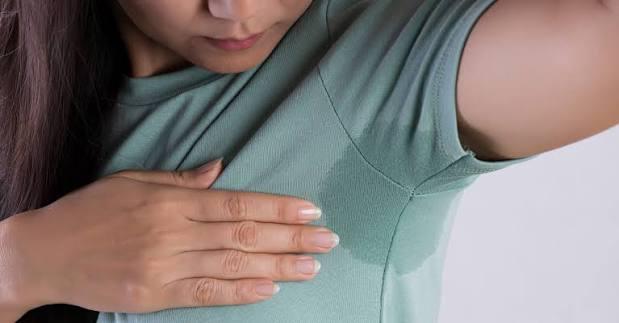
Excessive underarm sweating can leave visible marks on clothing, even when the weather is cool. Botox can substantially reduce underarm moisture, making it easier to wear different fabrics and participate in social or professional activities without constantly worrying about sweat stains.
Hands and Feet
Sweaty palms can interfere with writing, handling objects, and shaking hands. Excessively sweaty feet may cause discomfort inside shoes and contribute to unpleasant odors.
Botox may help in these areas, although injections into the palms and soles can be more uncomfortable. Treatment may also cause temporary muscle weakness, particularly in the hands, so careful assessment is essential.
Other Areas
In selected cases, Botox may be considered for excessive sweating affecting the forehead or other localized regions. Because these areas can involve additional risks, treatment should be planned by a qualified healthcare professional with appropriate experience.
How Effective Is Botox at Reducing Sweat?
For many suitable patients, Botox provides a substantial reduction in excessive sweating, particularly in the underarms. However, results vary according to the treatment area, severity of symptoms, dosage, and individual response.
Some people experience a major improvement in comfort, while others may need alternative treatments or additional medical advice.
When Do Results Start Appearing?
The effects are not usually immediate. Many people begin noticing a reduction in sweating within several days, while the full benefits may develop over approximately one to two weeks.
The treated area generally becomes noticeably drier as the medication takes effect. Your healthcare professional can explain what degree of improvement is realistic for your circumstances.
How Long Does the Treatment Last?
Botox provides temporary results rather than a permanent solution. Benefits commonly last around four to six months, although the duration differs between individuals and treatment areas.
As the medication's effect gradually wears off, nerve signaling resumes and sweating returns. Some patients choose repeat treatments to maintain the improvement.
The appropriate timing for another session depends on your response, medical history, and professional recommendations. Repeated injections should not be scheduled more frequently than advised.
What Should You Expect During the Procedure?
The process usually begins with a consultation to assess your sweating pattern, medical history, medications, and previous treatments.
The practitioner cleans the treatment area and administers small injections at carefully selected points. A numbing method may be offered if needed, particularly for sensitive areas.
The procedure is nonsurgical and generally takes a relatively short time, depending on the size of the treatment area. Most people can return to normal activities soon afterward, following their practitioner's aftercare instructions.
Are There Any Side Effects?
Although Botox is generally well tolerated when administered appropriately, side effects can occur. These may include:
-
Temporary redness, swelling, or bruising at injection sites.
-
Tenderness or discomfort in the treated area.
-
Temporary hand weakness when injections are given in the palms.
-
Incomplete reduction in sweating or the gradual return of symptoms.
A qualified professional should review your medical history and discuss the risks before treatment. Seek urgent medical attention if you experience difficulty breathing or swallowing, speaking difficulties, or widespread muscle weakness following injections.
Is Botox the Right Choice for You?
Botox may be worth considering if excessive sweating affects your daily life and conventional antiperspirants have not provided sufficient relief. However, it is not suitable for everyone, and other options may include prescription antiperspirants, oral medication, or treatments directed at an underlying medical condition.
Sudden sweating changes, widespread sweating, or sweating during sleep may require medical investigation before treatment is considered.
Conclusion
Botox can significantly reduce excessive sweating by temporarily interrupting the nerve signals that activate sweat glands. Although it does not permanently stop sweating, it can provide months of relief in targeted areas and make daily activities more comfortable. Results and treatment duration vary, so a personalized medical assessment is essential. Consulting a qualified healthcare professional can help you understand the potential benefits, recognize possible risks, and determine whether Botox is an appropriate option for managing excessive sweating.

 English
 Arabic
 French
 Portuguese
 Deutsch
 Turkish
 Dutch
 Italiano
 Russian
 Romaian
 Portuguese (Brazil)
 Greek