


Practical Wire Brushes for Workshop Maintenance
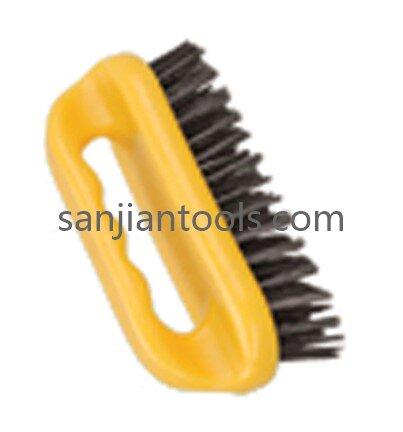
Metal components often require manual cleaning before inspection, coating, repair, or further processing. Rust, loose paint, welding residue, and accumulated dirt can interfere with these tasks if not removed appropriately. A Plastic Handle Steel Wire Brush combines firm steel bristles with a practical gripping surface for controlled cleaning on compatible materials. For B2B purchasers, selecting the right product involves evaluating wire specifications, brush-head dimensions, handle construction, assembly quality, and the conditions in which the tool will be used.
Steel bristles provide a relatively aggressive brushing action for suitable durable surfaces. Their stiffness helps loosen corrosion and other stubborn deposits that softer fibers may not remove effectively. However, cleaning performance depends on wire diameter, bristle length, density, and arrangement. Thicker wires generally provide a firmer brushing feel, while finer wires may offer more flexibility for detailed work. Buyers should match these characteristics to the workpiece and cleaning objective instead of assuming that one configuration is appropriate for every metal surface.
The plastic handle supports grip and maneuverability. Its shape, texture, and length affect how comfortably the user can apply controlled pressure. A compact handle may be convenient for small components and confined spaces, while a longer design can offer different reach and leverage characteristics. The connection between the handle and brush head is especially important because repeated manual pressure can expose weaknesses in the assembly. Buyers should inspect attachment strength and handle finishing when comparing samples.
Brush-head design also influences performance. A narrow head can reach grooves, edges, and areas around fasteners, while a wider arrangement may cover larger surfaces more efficiently. Even bristle distribution helps maintain more consistent contact with the workpiece. If wires are poorly retained or unevenly arranged, cleaning may become less predictable and the tool may wear prematurely. Manufacturers should maintain consistent assembly procedures and inspect finished products for loose wires, distorted heads, and visible defects.
Application compatibility should guide procurement. Steel wire brushes are generally intended for surfaces that can tolerate mechanical abrasion. They may damage soft metals, delicate coatings, or polished finishes if the bristles are too aggressive or pressure is excessive. Buyers should confirm the intended use and recommend testing on a small, inconspicuous area where the surface is sensitive. For specialized metalworking tasks, the wire material must also be compatible with the workpiece and any contamination-control requirements.
Manufacturing quality is essential for wholesale supply. Relevant factors include wire consistency, bristle retention, handle strength, brush dimensions, and overall finishing. B2B buyers can use sample inspections to compare products before approving bulk orders. Defining specifications in advance helps reduce variation across repeat shipments and provides a clear basis for quality checks. Suppliers should also communicate any available options for brush size, handle style, packaging, and customization.
Packaging requirements vary according to the sales channel. Hardware retailers may need individual packages that identify product features and intended applications, while industrial purchasers may prefer bulk packaging for warehouse handling. Importers and private-label customers may require custom logos, barcodes, colors, or carton markings. Confirming these details before production helps avoid packaging inconsistencies and supports efficient distribution. Buyers should also clarify minimum order quantities, sample approval procedures, production schedules, and shipment arrangements.
Proper use and maintenance help preserve tool condition. Operators should apply controlled pressure and use appropriate protective equipment, as wire fragments and removed particles can become airborne. Before use, the brush should be inspected for loose bristles, damaged handles, and excessive wear. After cleaning, accumulated debris should be removed and the tool stored appropriately. Replacing brushes that show significant damage helps maintain more consistent working conditions.
When sourcing a Plastic Handle Steel Wire Brush, professional buyers should compare wire specifications, grip design, assembly strength, product consistency, and supplier reliability. These factors are important for industrial maintenance teams, hardware wholesalers, and distributors seeking dependable products for repeated orders. Sanjian Tools offers practical hand tools for commercial sourcing. Buyers can explore related products at https://www.sanjiantools.com/product.

 English
 Arabic
 French
 Spanish
 Portuguese
 Deutsch
 Turkish
 Dutch
 Italiano
 Russian
 Romaian
 Portuguese (Brazil)