


Blockchain-Based Traceability Software: Benefits, Features, and Use Cases
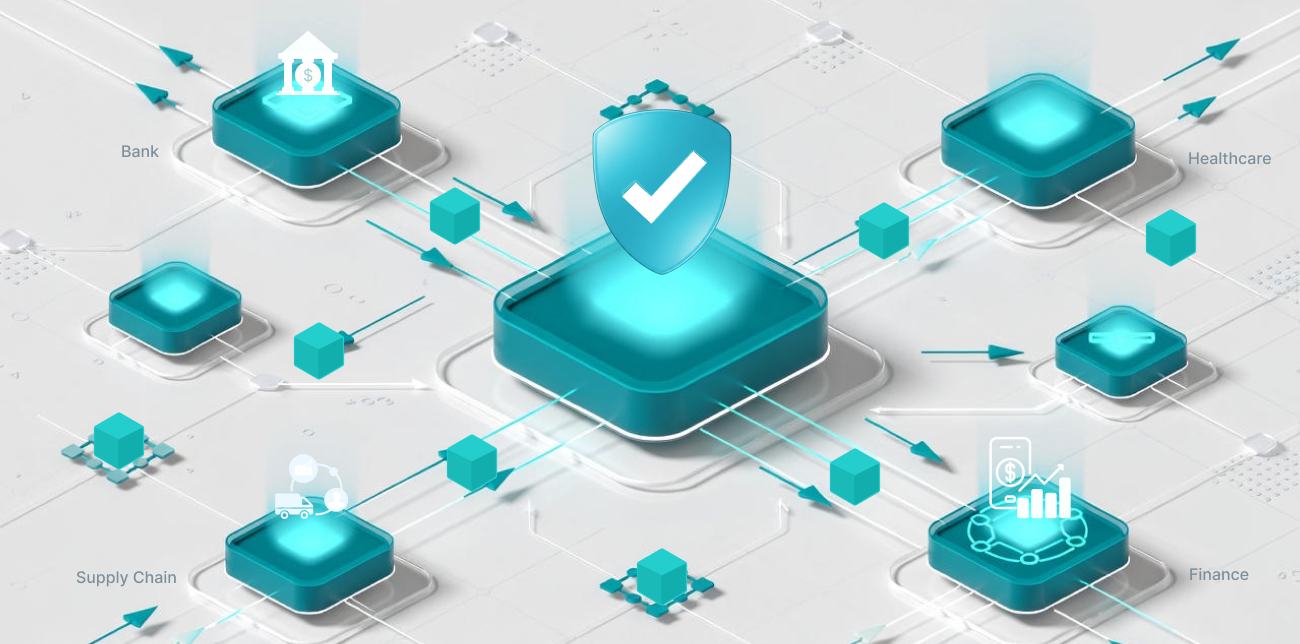
Supply chains depend on accurate product information, reliable documentation, and coordination between multiple stakeholders. However, disconnected databases, manual records, and limited data sharing can make it difficult to verify product origins and track items across distribution networks. Traceability Software Development Services help businesses build connected digital systems that record product movements, organize supply-chain information, and improve visibility from the source to the final destination.
Blockchain-based traceability software adds a shared, tamper-resistant record of important transactions. When designed around specific business needs, these systems can help organizations strengthen accountability, simplify product verification, and investigate supply-chain issues more efficiently. Applications extend across industries such as seafood, healthcare, pharmaceuticals, food production, and manufacturing.
What Is Blockchain-Based Traceability Software?
Blockchain-based traceability software records relevant product events in a shared digital ledger accessible to authorized participants. These events may include raw material sourcing, manufacturing, quality inspections, shipment transfers, warehouse receipts, and final delivery.
Rather than relying entirely on separate records maintained by different organizations, participating businesses can refer to a consistent transaction history. Permission controls determine which participants can submit information and which records they can view.
For example, a manufacturer can register a product batch, a logistics provider can record a shipment transfer, and a distributor can confirm receipt. These linked events help establish a clearer history of the product as it moves through the supply chain.
Blockchain does not automatically verify whether submitted information is true. Reliable data collection, validation processes, and appropriate system integration remain essential to the accuracy of any traceability platform.
Key Benefits of Blockchain Traceability Software
Improved Supply-Chain Visibility
Businesses often struggle to obtain timely information from suppliers, logistics providers, and distributors. A shared traceability platform can make relevant product events easier to access, helping teams understand where products originated and how they moved between stakeholders.
Better visibility can support inventory coordination, supplier communication, and faster investigations when information is missing or inconsistent.
Tamper-Resistant Product Records
Traditional records may be changed, duplicated, or stored in systems that are difficult for other participants to verify. Blockchain can help protect the history of recorded transactions against unauthorized alteration.
This feature is valuable when businesses need a consistent record of product handling, ownership transfers, inspections, or distribution events.
More Efficient Audits and Investigations
Finding documents across multiple organizations can consume time and resources. A structured digital history can make relevant records easier to retrieve and review.
When a product quality issue occurs, businesses may be able to identify affected batches, examine recorded movements, and determine which partners need to investigate. The effectiveness of this process depends on complete and accurate data.
Stronger Accountability Between Partners
Supply chains work best when responsibilities are clearly defined. Traceability systems can associate recorded events with authorized participants, supporting clearer records of handovers, approvals, and product movements.
These records can improve coordination without eliminating the need for contracts, inspections, or established quality-management procedures.
Important Features to Consider
A practical traceability solution should match the needs of its industry and the complexity of its supply chain. Common features include:
-
End-to-end product tracking: Record product movements across sourcing, processing, storage, transportation, and distribution.
-
QR codes and digital identifiers: Connect physical products or batches with relevant digital records.
-
Smart contracts: Automate predefined actions, such as recording approvals or checking whether required documentation has been submitted.
-
Role-based access: Allow authorized stakeholders to access information according to their responsibilities.
-
System integration: Connect with inventory platforms, enterprise resource planning software, logistics applications, and relevant sensors.
-
Audit trails and reporting: Organize transaction histories for reviews, investigations, and documentation.
-
Data validation: Apply rules to reduce incomplete, duplicate, or incorrectly formatted entries.
During Blockchain Traceability Software Development, teams should also assess transaction volume, privacy requirements, storage costs, and the need to correct inaccurate information. Not every piece of supply-chain data needs to be stored directly on the blockchain; sensitive or large datasets may be better maintained in secure external systems.
Use Case 1: Seafood and Fish Supply Chains
Seafood can pass through fishing vessels, landing facilities, processing plants, cold-storage facilities, transport providers, wholesalers, and retailers before reaching consumers. Tracking information across these stages can be challenging when each participant uses a different recordkeeping method.
A Fish Traceability Services Provider can help develop a platform that records catch or harvest details, vessel information, processing batches, inspection records, storage conditions, and shipment movements.
For example, if a seafood batch is associated with a suspected handling issue, authorized teams could review its recorded journey and identify which shipments or batches require further inspection. Integration with suitable temperature sensors may provide additional information about cold-chain conditions.
Such a system can support origin verification, product investigations, and more consistent information sharing. Its reliability still depends on accurate source data and appropriate seafood-handling procedures.
Use Case 2: Medical and Pharmaceutical Products
Healthcare supply chains require reliable product identification and careful distribution records. Incomplete documentation can make it harder to investigate suspicious products, verify distribution history, or identify affected batches.
Medical Traceability Solution Development Services can support digital records for manufacturing batches, product identifiers, packaging events, distribution transfers, and verification activities.
A manufacturer, authorized wholesaler, and distributor could record relevant events as products move between organizations. These records can help participants review product history and investigate inconsistencies.
Medical traceability platforms must be designed with privacy, cybersecurity, regulatory requirements, and access restrictions in mind. Blockchain should complement existing quality controls and verification procedures rather than serve as a standalone guarantee against counterfeit products.
Use Case 3: Manufacturing and Industrial Supply Chains
Manufacturers may source components from multiple suppliers and distribute finished products through several markets. When a component defect is identified, tracing the affected products can require reviewing purchasing records, production logs, and shipping documents.
Blockchain-based traceability can connect relevant records across these stages. Organizations may track component batches, supplier details, assembly events, inspection outcomes, and finished-product distribution.
This information can help teams investigate defects, identify potentially affected batches, and improve coordination with suppliers. It may also support product lifecycle documentation when combined with appropriate asset identification and data-management processes.
How to Develop an Effective Traceability Solution
Successful implementation begins with understanding the business problem, not selecting technology alone. A structured development process typically includes:
-
Map the supply chain: Identify stakeholders, product handovers, data gaps, and essential tracking events.
-
Define requirements: Establish which information must be recorded, who can access it, and what business decisions it should support.
-
Choose the architecture: Evaluate permissioned or public blockchain options, external data storage, identity management, and integration needs.
-
Build a pilot: Test the system with a limited product category, supplier group, or distribution workflow.
-
Validate security and data quality: Test permissions, integrations, transaction accuracy, and exception-handling procedures.
-
Expand and maintain: Introduce additional participants and workflows gradually while monitoring performance and adoption.
This approach allows businesses to evaluate the practical value of the system before committing to a larger deployment.
Conclusion
Blockchain-based traceability software can help businesses create more consistent product histories, improve supply-chain visibility, and support investigations across complex distribution networks. Its benefits depend on thoughtful architecture, reliable information, secure integrations, and cooperation between participating organizations.
Through Traceability Software Development Services, businesses can explore solutions suited to their operational needs, from seafood origin tracking to pharmaceutical distribution and industrial manufacturing. By combining blockchain with practical data-management processes, organizations can develop traceability systems that improve transparency, strengthen accountability, and support more informed supply-chain decisions.

 English
 Arabic
 French
 Spanish
 Portuguese
 Deutsch
 Turkish
 Dutch
 Russian
 Romaian
 Portuguese (Brazil)
 Greek