


10 Practical Tips for Using Fiber Cleavers for Better Splicing Results
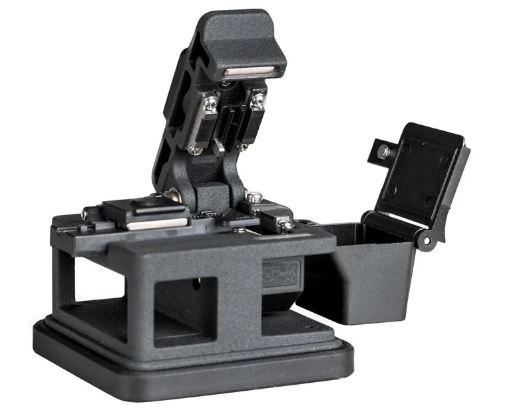
Fiber optic networks depend on precise connections to deliver reliable data transmission. Whether technicians are installing broadband connections, maintaining telecommunications networks, or working in data centers, preparing the fiber correctly is an important part of the job.
One tool that plays a key role in this process is the fiber cleaver. It creates a controlled, clean end face on an optical fiber before splicing or certain termination procedures. However, getting consistent results requires more than owning a quality tool. Proper preparation, correct handling, regular maintenance, and suitable tool selection all matter.
For beginners and experienced technicians alike, the following tips can help improve everyday fiber preparation. Here are 10 practical ways to get better results from fiber cleavers and maintain a more consistent workflow.
1. Choose the Right Fiber Optic Cleaver for Your Task
Not every cleaver is designed for the same application. Some are intended for mechanical splicing and field termination, while precision models are designed for preparing fibers before fusion splicing.
Before selecting a tool, consider the type of work you perform, the fiber coating or buffer size, and the cleave length required by your equipment.
For example, Jonard Tools offers the FC-220 Fiber Cleaver for compatible 250 µm coated and 900 µm buffered fibers. The FC-500 Precision Fiber Cleaver is designed for preparing compatible fibers for fusion splicing and provides a cleave angle below 0.5°.
Check the product specifications and your splicer's requirements before choosing a model. Using the correct tool for the application helps avoid unnecessary adjustments and improves consistency.
2. Prepare the Fiber Before Cleaving
Proper fiber preparation is essential for achieving a clean cleave. Dirt, coating residue, or incorrect stripping can interfere with the process and affect the quality of the prepared fiber end.
Before using your cleaver, follow the correct preparation sequence:
-
Inspect the cable and identify the fiber type.
-
Use a compatible fiber stripper to remove the required coating.
-
Clean the exposed fiber using an approved cleaning method.
-
Handle the prepared fiber carefully to avoid contamination.
-
Confirm that the fiber is ready for the cleaving procedure.
Avoid touching the exposed glass with your fingers or allowing it to contact an unclean surface.
Good preparation habits help reduce contamination and make it easier to identify the cause of problems if a cleave does not meet the required standard.
3. Set the Correct Cleave Length
Cleave length is an important consideration when preparing fiber for splicing or connector termination. The required length depends on the equipment and the specific application.
A fiber that is too short or too long may not fit correctly in the next stage of the process. This can cause delays and require the technician to prepare the fiber again.
Some fiber optic cleavers include a scale or adjustable holder to help set the required length. For example, the Jonard FC-220 uses a ruled leaf spring scale for cleave lengths from 2 mm to 20 mm.
Always follow the instructions supplied with your cleaver, splicer, or connector system. Measure carefully rather than estimating the length by eye.
4. Use a Consistent Cleaving Technique
A repeatable technique helps technicians produce more consistent results across multiple connections.
Start by positioning the prepared fiber correctly in the cleaver. Follow the manufacturer's instructions for securing the fiber and operating the blade mechanism. Avoid unnecessary movement or pressure while performing the cleave.
Do not force the fiber through the cutting mechanism or improvise a technique that differs from the tool's intended operation.
After cleaving, handle the fiber carefully and move directly to the next step in your preparation procedure. If the cleave appears damaged or does not meet the equipment's requirements, prepare the fiber again rather than attempting to use a questionable end face.
Consistency is particularly useful for technicians who perform multiple splices during a single installation.
5. Keep the Cleaver Blade in Good Condition
The blade is one of the most important components of a fiber cleaver. Over time, repeated use can affect its performance, making regular inspection and maintenance essential.
Many precision cleavers use multiple blade positions so technicians can move to a fresh position when the current one becomes worn, following the manufacturer's instructions.
For instance, the Jonard FC-500 has a 16 position blade rated for up to 3,000 cleaves per position, giving a stated total of up to 48,000 cleaves under the specified conditions.
These figures are product ratings, not a guarantee that every cleave will remain acceptable throughout the entire blade life. Inspect results regularly and follow the recommended blade rotation and replacement procedure.
Never touch the blade directly when adjusting or servicing the tool.
6. Keep Fiber Scraps Under Control
Cleaving produces small pieces of optical glass that can be difficult to see. These fragments may cause injury if they are left on a workbench, clothing, or the floor.
A clean workspace is important for both safety and efficient fiber preparation.
Use the cleaver's built-in scrap container if the model includes one. The Jonard FC-500, for example, features an integrated fiber scrap container to help collect waste during operation.
If your cleaver does not include a container, use an appropriate dedicated disposal solution. Follow workplace procedures for handling and disposing of fiber scraps, and never collect fragments with bare hands.
Keeping waste contained also helps prevent loose glass fragments from contaminating tools and prepared fibers.
7. Clean and Store Your Cleaver Properly
Dust and debris can interfere with the operation of precision equipment. After completing a job, inspect the cleaver and remove debris according to the manufacturer's cleaning instructions.
Avoid using unapproved solvents, excessive liquid, or tools that could damage the blade or fiber holder.
When storing your cleaver:
-
Close or secure the tool as directed.
-
Keep the blade protected.
-
Store it in a suitable case.
-
Avoid unnecessary impact or pressure.
-
Keep it away from dust and moisture.
A well-maintained cleaver is easier to prepare for the next installation and less likely to develop avoidable handling problems.
8. Inspect Cleave Quality When Results Are Inconsistent
If a splice does not perform as expected, do not automatically assume the cleaver is responsible. Fiber preparation, connector contamination, equipment setup, and other factors can all affect the result.
When you notice inconsistent performance, review the preparation process and inspect the fiber end using an appropriate inspection method when required.
Check whether the fiber was stripped and cleaned correctly, whether the cleaver was operated according to its instructions, and whether the blade or fiber holder needs attention.
For fusion splicing, follow the splicer's guidance and acceptance criteria for cleave quality. If a fiber end does not meet the required standard, repeat the preparation process.
A systematic approach helps identify the actual problem instead of replacing parts unnecessarily.
9. Select Replacement Parts That Match Your Cleaver
Replacement blades and other components should be compatible with the exact cleaver model you use.
Using an incorrect part may affect fit, operation, or cleaving performance. Before ordering replacements, check the manufacturer's product information and confirm the model number.
Jonard Tools offers replacement components for selected cleavers. For example, the FC-220 uses the FC-4 replacement blade, while the FC-500 uses the FC-500RB replacement blade.
Keep track of blade usage and inspect the tool regularly so replacements can be arranged before they interrupt a scheduled installation.
10. Build a Reliable Fiber Preparation Routine
The best results often come from following the same careful process every time. Before starting work, gather the necessary stripping, cleaning, cleaving, and inspection equipment.
Confirm that each tool is suitable for the fiber and the intended application. Prepare the fiber carefully, set the required cleave length, operate the cleaver correctly, and inspect the result whenever your procedure requires it.
After the job, clean the equipment, secure fiber scraps, and store the tools properly.
This routine can help broadband installers, fiber splicers, and telecommunications technicians reduce avoidable errors and maintain a more organized workflow.
Find the Right Fiber Cleavers for Your Work
Achieving consistent fiber preparation depends on suitable equipment and careful technique. Selecting the right cleaver, preparing the fiber correctly, maintaining the blade, and following a repeatable process can all contribute to better splicing and termination work.
Jonard Tools offers fiber cleavers for different fiber preparation applications, including the FC-220 Fiber Cleaver and FC-500 Precision Fiber Cleaver. The right choice depends on your fiber specifications, cleave length requirements, and whether you are performing mechanical or fusion splicing.
Explore the Jonard Tools Fiber Cleavers collection to compare available models and find fiber optic cleavers suited to your installation and maintenance needs.

 English
 Arabic
 French
 Spanish
 Portuguese
 Deutsch
 Turkish
 Dutch
 Russian
 Romaian
 Portuguese (Brazil)
 Greek