


What a Wedding Event Planner in Pakistan Actually Does (and How to Choose the Right One)
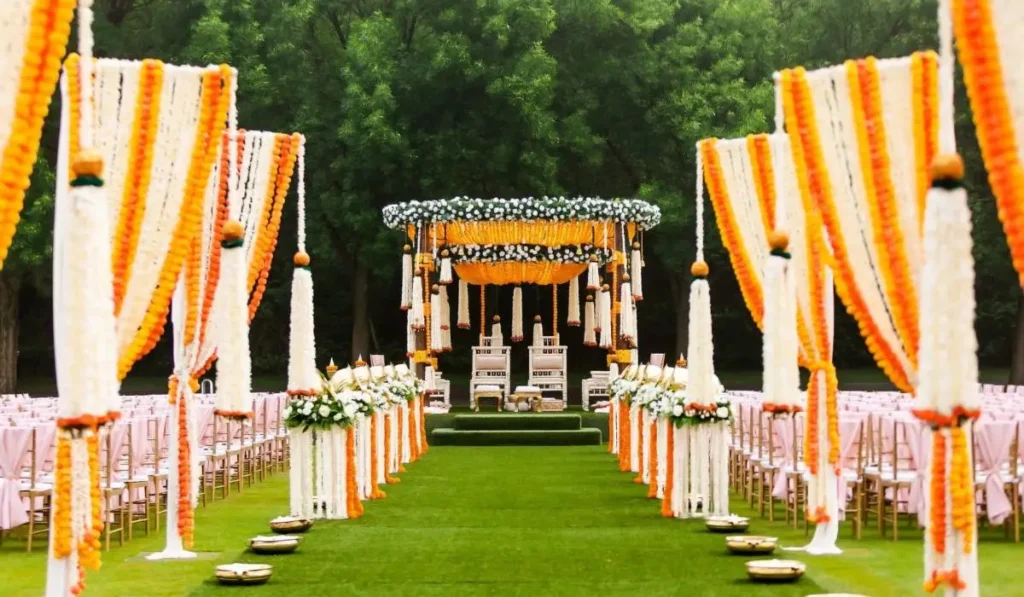
Ask any family in Pakistan who has hosted a shaadi and you'll hear the same story. It starts with a calm plan: a dholki at home, a mehndi, the baraat, a walima. Three weeks later someone is arguing about stage flowers on a midnight phone call, the caterer wants a final headcount nobody has, and a cousin suddenly remembers the photographer was never booked.
That's usually the moment families start searching for a wedding event planner in Pakistan. This guide is for the moment before it: what a planner really does, whether you need one, and how to choose someone you can trust with the most emotional week of your family's year.
A Pakistani wedding is really five weddings
On paper it's one wedding. In real life it's a string of events, each with its own mood, its own guest list and its own look. The dholki is loud, close and chaotic in the best way. The mehndi wants color and energy. The baraat is the big, formal night. The walima is softer and more elegant, and there is often a nikah, a haldi or an engagement in between.
Each one needs a venue, décor, food, sound, photography and someone to make sure everything starts on time. Multiply that by several functions and you can see why families end up exhausted before the wedding even begins.
What a wedding event planner in Pakistan actually does
People often imagine a planner as someone who just arranges flowers. The real job is much bigger, and most of it happens before the wedding day.
- Starts with your budget. A good planner asks what you want to spend, then shapes the plan around it instead of inflating it.
- Finds and books venues. Banquet halls, hotels, lawns, farmhouses, even beachfront spots, matched to your guest count and the mood you want.
- Designs the look. Theme, stage, flowers, lighting and entry concepts, so every function feels connected without looking copied.
- Manages the vendors. Caterers, decorators, photographers, sound and transport all report to one point of contact, so you don't chase six different people.
- Builds the timeline. Who arrives when, when the food is served, when the bride enters, how guests move through the evening.
- Stays on site. When something goes wrong at 8 pm (and something always does), someone is already there to fix it.
What a planner doesn't do is take the wedding away from you. The decisions that matter, like the colors, the guest list and the traditions you care about, stay with your family. The planner just carries the weight of making them happen.
Do you really need one?
Honestly, not everyone does. A small nikah at home with fifty guests and a relative who loves organizing might not need a planner at all.
You will probably feel the difference if:
- You have two or more functions to run.
- Your guest list is 300 or more.
- Your family is spread across different cities or countries.
- You're planning a destination or outdoor wedding.
- You and your family simply don't have the time to manage ten vendors.
If two or three of those sound familiar, a planner usually saves more stress than it costs.
Seven questions to ask before you book
Before you sign with anyone, ask these. The answers tell you a lot.
- Which functions do you handle? Some planners only do the main event. Make sure they cover everything you need.
- Who will be my point of contact? You want one person who knows your wedding well, not a different voice every week.
- Do you work with your own vendors or mine? Both can work, but you should know up front who is responsible if a vendor lets you down.
- Is the quote itemized? You should be able to see what each service costs.
- Will someone from your team stay on site during the event? This matters more than most families realize.
- Can I see recent weddings and talk to past clients? Real photos and real reviews beat a polished brochure.
- What happens if something goes wrong? A confident planner has a backup plan for weather, delays and last-minute changes.
Mistakes families make (and how to avoid them)
Booking the venue last. The best venues fill up early, especially in winter, which is the busiest wedding season. Start there.
Choosing the décor before the guest count. A stage that looks perfect for 200 people can feel empty with 500. Settle the numbers first.
Skipping a buffer. Something unexpected will cost money. Keep a small cushion in the budget, and you'll thank yourself later.
Too many decision-makers. When six relatives have a say on the menu, nothing gets decided. Pick one or two people to make final calls.
Forgetting the gaps between functions. Guests travel, brides need rest, and vendors need time to reset the venue. Plan the days between events as carefully as the events themselves.
What affects the cost
We won't throw a number at you, because wedding budgets vary too much. What really moves the price is:
- The number of functions
- Guest count
- The type of venue and its location
- How elaborate the décor and stage are
- Catering choices and the number of live stations
- The season and how early you book
The most useful thing you can do is share your budget and guest count at the very first conversation. A planner who knows your limits can make smart choices. One who doesn't can only guess.
A realistic planning timeline
- 6 to 9 months before: Set a budget, estimate your guest list, shortlist venues.
- 4 to 6 months before: Book the venue and key vendors, and settle on a theme.
- 2 to 3 months before: Finalize décor, taste the menu, send out invitations.
- 2 to 4 weeks before: Confirm the final headcount, prepare the run sheet, rehearse entries.
- The week of: Reconfirm every vendor, then breathe. If the planning was done right, this is the calm part.
Planning with MARCEM
MARCEM has spent more than 12 years planning weddings and corporate events, with offices in Karachi, Lahore and Islamabad and a team serving clients nationwide. We handle dholki, mehndi, baraat and walima, along with décor, venue coordination and guest management, and we stay on site so you can enjoy your own wedding.
If you're planning in Karachi, take a look at our wedding event planner in Karachi page. We also work in Lahore and Islamabad, and you can see all our wedding services across Pakistan. Ready to talk? Contact us with your date, guest count and budget, and we'll take it from there.
Visit our Karachi office: MARCEM Events, 15/C, 4th Zamzama Commercial Lane, DHA Phase 5, Karachi. Call +92 300 8280182 or +92 21 35301807, or find MARCEM Events on Google Maps.
Frequently asked questions
How early should I hire a wedding event planner in Pakistan? Ideally 6 to 9 months before the wedding, especially if you want a popular venue in winter. Shorter timelines are possible, but your options narrow quickly.
Can a planner work within my budget? Yes. Share your budget at the start, and a good planner will build the plan around it and tell you honestly what is and isn't realistic.
Do planners only handle décor? No. Décor is one part. Planners also handle venues, vendors, timelines, guest management and on-site coordination.
Can I hire a planner for just one function? Often, yes. Many families hire help only for the mehndi or the baraat. Ask the planner what they offer.
Do you plan weddings outside the big cities? MARCEM serves clients across Pakistan, so it's worth asking even if your wedding is in a smaller city.
One last thought
A wedding is supposed to be the happiest week of your family's year, not the most stressful one. Whether you hire help or do it yourself, start early, be honest about your budget, and choose people who listen. If you'd like a hand, a good wedding event planner in Pakistan will make sure you spend the day with your family instead of on the phone.
Planning a wedding in Pakistan? Our simple guide explains what a wedding event planner actually does, when you need one and what to ask before you book. From dholki to walima, MARCEM plans every function across Karachi, Lahore and Islamabad, so you can enjoy your own wedding. Read the guide, then call us to talk about your plans.

 Arabic
 French
 Spanish
 Portuguese
 Deutsch
 Turkish
 Dutch
 Italiano
 Russian
 Romaian
 Portuguese (Brazil)
 Greek